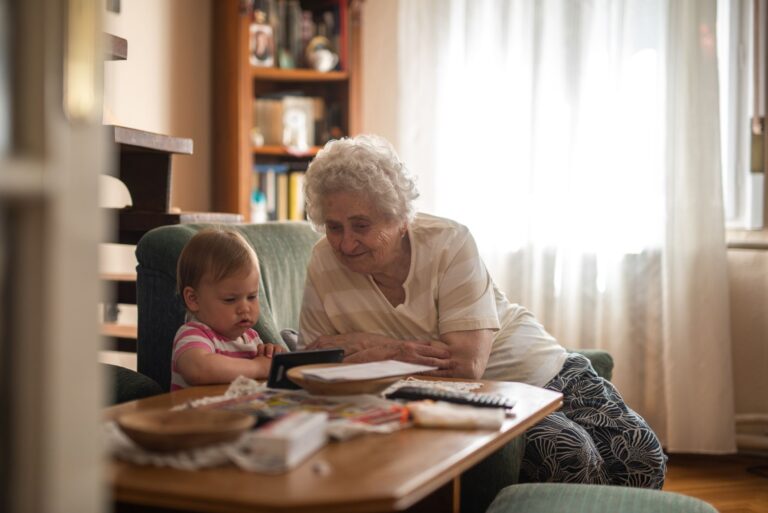
Simple baking for dementia caregivers means making easy, familiar treats together with a person living with dementia, a condition that slowly affects memory and thinking. You can run a calm session in four moves: make the kitchen safe, pick a short recipe, share safe tasks, and enjoy the result together. Baking works well because it is hands-on, sensory, and social. It gives both of you clear roles, a shared pace, and something warm to taste at the end.
Medical information disclaimer: This article is for general educational purposes only and does not provide medical advice, diagnosis, or treatment. Always consult a physician or other qualified health professional about symptoms, medications, tests, or treatment decisions.
Table of Contents
- Why does baking help wellbeing?
- How do you make the kitchen safe first?
- What are the simple steps?
- How do you match tasks to ability?
Why does baking help wellbeing?
The Voise Foundation reports that creative cooking and baking prompt memory recall, problem-solving, and independence, while familiar smells such as cinnamon or fresh bread can trigger comforting memories in its baking activities guide. Mixing, pouring, kneading, and decorating engage touch, smell, sight, and taste at once. Those cues often spark stories and smiles without pressure to remember facts.
Finishing a familiar dish can also build pride and reduce isolation when done with others. A batch of scones, banana bread, or decorated biscuits gives a clear start and finish. The person contributes, not just watches.
How do you make the kitchen safe first?
Safety comes before aprons and ingredients. The Alzheimer's Association advises preventing unsafe stove use with auto-shut-off appliances, stove knob covers, removed knobs or gas shut-off when not in use in its home safety guide. Clear counters of medicines, sharp tools, cleaning products, and clutter.
Keep handles turned inward and stay beside the oven and hob. Remove look-alike hazards such as artificial fruit or food-shaped magnets. Put away flammable towels and liquids near heat. Use good light, non-slip mats, and a clear path to the sink and bin.
What are the simple steps?
Pick a recipe with three to five ingredients and few tools. Good choices are no-bake oat bites, shortbread, muffins from a mix, or pre-made pizza dough with toppings.
The Voise Foundation advises simplifying recipes to ability, assigning safe tasks like stirring or decorating, and using timers for ovens and stovetops in its baking activities guide. Read the steps aloud before you start.
- Set out measured ingredients, one large bowl, and safe tools.
- Give one task at a time, such as tearing bananas, stirring batter, or brushing butter.
- Handle the oven, sharp knives, and hot trays yourself and set a loud timer.
- Taste, decorate, and plate together while the bake cools.
How do you match tasks to ability?
Offer choice, then watch and adjust. Someone in an early stage may measure flour, crack eggs, or read the next step. Someone needing more support may stir soft batter, sprinkle cinnamon, spread frosting, or press cookie cutters into dough.
Keep instructions short, show each motion, and allow extra time. Strong sensory input can help a person with Alzheimer's use remaining memory and focus to enjoy life and connect, but it will not stop disease progression, Bethesda Senior Living notes in its guide for cooking with loved ones. Supervise all kitchen work, choose few-ingredient recipes, and prefer safer tools when heat is needed. End by serving two plates, naming what each person made.