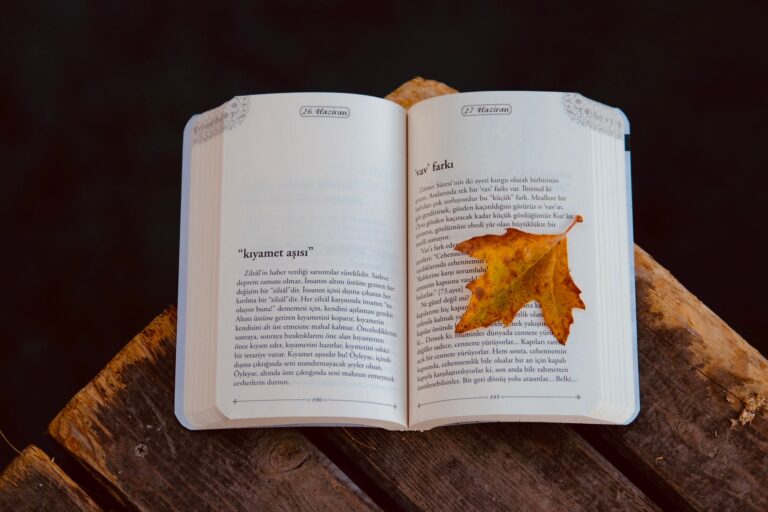
Build a home dementia book club by reading a short story or poem aloud, then talking about it together. The person with dementia does not need to read in advance.
A dementia book club at home means shared reading, not assigned books and quizzes. Queen's University Belfast and Dementia NI describe this read-aloud-then-chat format in their home reading guide. Queen's Still Reading project says reading literature together creates shared experience meant to prompt conversation and ease the effects of dementia.
Medical information disclaimer: This article is for general educational purposes only and does not provide medical advice, diagnosis, or treatment. Always consult a physician or other qualified health professional about symptoms, medications, tests, or treatment decisions.
Table of Contents
- What does a session look like?
- What should you read?
- How do you set it up each week?
- What benefits and limits should you expect?
- Frequently Asked Questions
What does a session look like?
Pick one short piece, read it slowly, and pause for reactions. Let the person respond to a line, image, or memory. Keep attention on enjoyment, not recall or correct answers. Use open prompts that invite opinion.
Ask what a character should do next. Ask whether a description matches a place they remember. Stop when energy drops, even if pages remain. A simple flow helps:.
- Choose one poem or story passage.
- Read aloud in a calm, clear voice.
- Pause and chat about feelings, memories, or likes.
- Close with a familiar reread or favorite line.
What should you read?
Choose brief, vivid, familiar material. Short stories, poems, song lyrics, and brief excerpts work better than long chapters. Familiar themes help: home, work, food, seasons, travel, childhood, and humor. Dementia-friendly library groups use brief excerpts and life-story prompts because shared and solo reading can prompt memories and support connection and self-expression.
Borrow that approach at home. Bring two or three options and let the person choose. Keep a small box of favorites for low-energy days. Include large-print copies, audio versions, and books with photos. Replace anything confusing, sad, or overstimulating without debate.
How do you set it up each week?
Keep the routine short, regular, familiar, and pressure-free. Pick the same chair, same time of day, and same warm drink when possible. Aim for 15 to 30 minutes, once or twice weekly. Reduce distraction before you begin. Turn off the television, close extra tabs, and place phones face down.
Sit side by side so you can both see the page. Read slowly and leave quiet space for answers. Queen's and Dementia NI also offer a resource pack for people and groups starting shared-reading sessions for dementia. Track what works in a notebook. Note preferred authors, best time of day, and prompts that spark talk.
What benefits and limits should you expect?
A six-month Headley Trust-funded University of Liverpool evaluation of The Reader's groups found reduced dementia symptom severity and better quality of life for residents and staff-carers, according to The Reader's research summary. The same programme reported better mood, concentration, listening, memory, social interaction, and agitation. A peer-reviewed Reading Buddies study found very high engagement and positive attitude even among people with late-stage dementia during one-to-one reading, as reported in the published study.
That matters for caregivers who fear their loved one is past the point of joining in. Most evidence comes from small facilitated groups and feasibility studies, not large trials proving home clubs slow decline. Treat connection and mood as the goal. End each session with one pleasant moment to revisit next time.
Frequently Asked Questions
Does my loved one need to read aloud or remember the story?
No. Listen together, discuss feelings and memories, and skip memory testing.
How long should a home book club last?
Start with 15 to 30 minutes once or twice weekly, then adjust to attention and mood.
What if they lose focus or become restless?
Pause, switch to a familiar poem, look at pictures, or stop and try again another day.