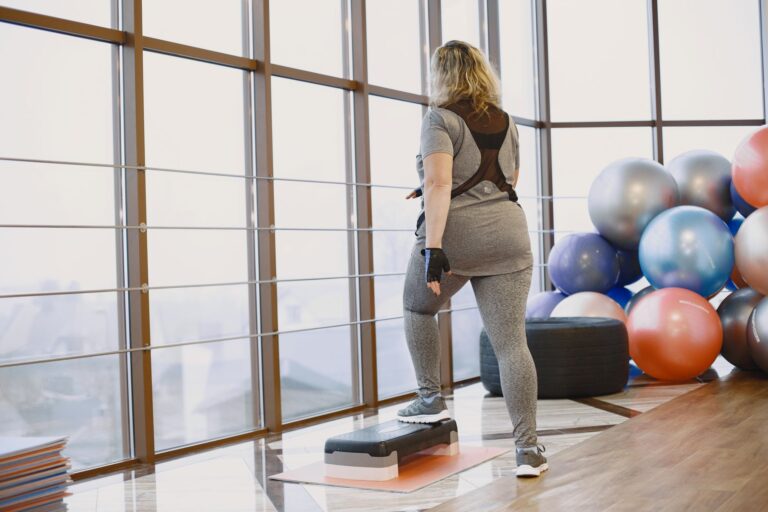
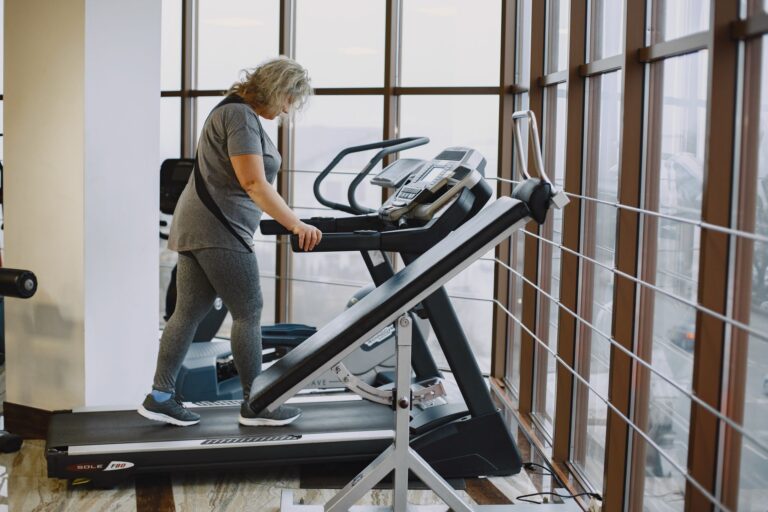
Aerobic exercise — activity that raises heart rate and breathing, such as brisk walking, cycling, or seated marching — is linked to lower dementia risk, and limited mobility does not remove that link. People who cannot stand, walk far, or use equipment can still gain benefit by adapting movement to ability.
Dementia means ongoing loss of memory and thinking that interferes with daily life. Risk reduction means lowering the chance, not preventing it entirely. For readers with mobility limits, the practical question is how much to do, how to adapt it, and where the evidence stops.
Medical information disclaimer: This article is for general educational purposes only and does not provide medical advice, diagnosis, or treatment. Always consult a physician or other qualified health professional about symptoms, medications, tests, or treatment decisions.
Table of Contents
- How much aerobic activity supports brain health?
- What does the dementia research show?
- How can you adapt exercise with limited mobility?
- Where are the limits?
How much aerobic activity supports brain health?
Adults need at least 150 minutes per week of moderate aerobic activity or 75 minutes per week of vigorous activity, plus muscle-strengthening on two or more days. That target comes from the CDC guidance on physical activity and brain health, which links this level to brain-health benefit. Moderate means you can talk but not sing during the effort.
Vigorous means you can say only a few words before pausing for breath. Strength work can include bands, light weights, or body weight on separate days. If that total feels out of reach, smaller amounts still matter. Adults with chronic conditions or disabilities who are able should follow the same aerobic and strengthening targets, adapted to ability, and even modest activity helps the least-active people most.
What does the dementia research show?
A 58-study meta-analysis cited by the 2024 Lancet Commission found physical activity linked to lower all-cause dementia risk and lower Alzheimer's risk. The 2024 Lancet dementia report summary reported relative risks of 0.80 for all-cause dementia and 0.86 for Alzheimer's. The same Commission lists midlife physical inactivity as one of 14 modifiable dementia risk factors, accounting for about 2% of global cases. That share is small on its own.
It still matters because activity also supports heart health, sleep, mood, and daily function. The strongest practical test comes from a lifestyle trial. The U.S. POINTER study results found that two-year programs combining exercise, MIND diet, mental and social activity, and vascular monitoring improved cognition in at-risk older adults.
How can you adapt exercise with limited mobility?
The structured POINTER group did 30–35 minutes of moderate-to-intense aerobic activity four times weekly, plus strength and flexibility twice weekly. That schedule shows what researchers tested, not a starting rule for everyone. Older adults, including those with physical limits or chronic conditions, can often exercise safely at home without special equipment using endurance, strength, balance, and flexibility work.
Seated marching, arm cycling, chair dancing, water walking, and short walks with a walker can count as endurance work when breathing and heart rate rise. Build sessions in small blocks when needed. A useful pattern is:.
- start with 5–10 minutes and add minutes over weeks as able
- use a sturdy chair, counter, or rail for support
- include two weekly sessions for major muscles, balance, and stretching
- stop and seek care for chest pain, faintness, new weakness, or a fall
Where are the limits?
Exercise is linked to lower risk, not guaranteed prevention. Benefits appear smaller once major cognitive decline exists, so earlier and steady habits count more than late intense bursts. Limited mobility also changes dose.
Pain, joint damage, lung or heart disease, dizziness, foot wounds, and unsafe home layouts can cap time or intensity. Adapt the mode, shorten the bout, or shift to another day rather than pushing through warning signs. Start as able, use sturdy chair support, and check with a clinician before raising intensity. Bring a list of diagnoses, medicines, walking aids, and past falls so advice fits your body.