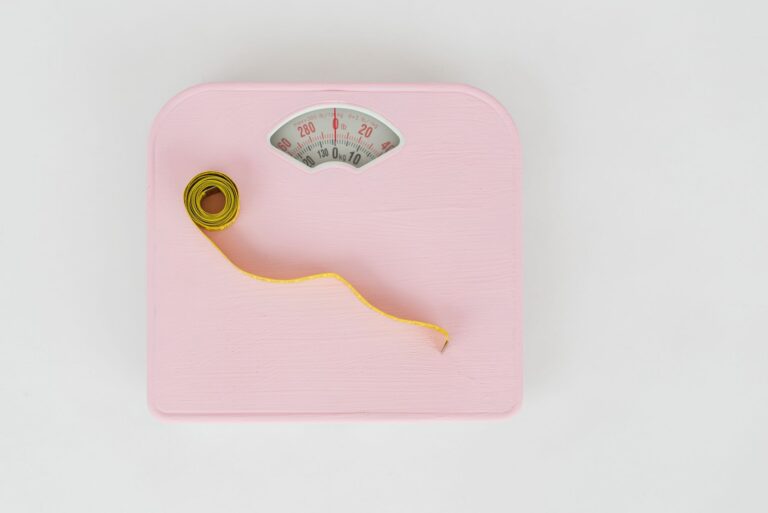
Track unexplained weight loss by weighing the person on the same scale, at the same time of day, once a week, and writing down every reading rather than only the ones that look alarming. Bring that log to the dementia evaluation along with notes on appetite, meal completion, and any fatigue or digestive changes, since clinicians treat a drop of 5% or more of body weight within six to twelve months as significant enough to investigate, according to NHS Lothian clinical guidance on unintentional weight loss. A single weigh-in tells a doctor almost nothing. A weekly log covering several months shows the rate of change, and rate is what the research on weight loss and dementia actually measures.
Medical information disclaimer: This article is for general educational purposes only and does not provide medical advice, diagnosis, or treatment. Always consult a physician or other qualified health professional about symptoms, medications, tests, or treatment decisions.
Table of Contents
- Why Weight Loss Matters Before a Dementia Diagnosis
- How to Set Up a Weekly Weight Log
- What Counts as a Significant Drop
- Why Weight Loss Alone Isn't a Diagnosis
- Watching Eating Behavior, Not Just the Scale
- Frequently Asked Questions
Why Weight Loss Matters Before a Dementia Diagnosis
Weight loss can start before memory symptoms become obvious enough to prompt an evaluation. Researchers at Washington University in St. Louis followed 449 initially healthy older adults for about six years and found that in the 125 who went on to develop very mild Alzheimer's dementia, the rate of weight loss roughly doubled in the year before diagnosis, climbing from about 0.6 to 1.2 pounds per year, according to Washington University's 2006 findings. This pattern is not new. A 1996 population study in East Boston found that body mass index (BMI) declined about 0.52 points per year in people with probable Alzheimer's, compared with 0.14 points per year in those without the disease, as reported in the BMJ's 1997 analysis. The consistency across decades of data is part of why clinicians now treat an accelerating weight trend as worth tracking alongside memory and behavior changes.
The link also shows up before any dementia diagnosis exists. In the Mayo Clinic Study of Aging, researchers followed 1,895 cognitively normal adults aged 70 and older for a mean of 4.4 years; 524 went on to develop mild cognitive impairment (MCI), a stage marked by noticeable memory or thinking changes that fall short of dementia. Each 5-kilogram (about 11-pound) weight loss per decade was linked to a 24% higher risk of developing MCI, according to Alhurani et al. in JAMA Neurology. For people who already have an MCI diagnosis, weight loss also predicts how fast the disease progresses. A University of Milan study of 125 people with MCI found that those who lost 4% or more of their baseline body weight had a 3.4-fold higher risk of progressing to dementia overall, and reached that point 2.3 to 2.5 years earlier than those who did not lose weight, per Cova et al. in PLoS ONE.
How to Set Up a Weekly Weight Log
A reliable log depends on consistency, not precision down to the ounce. Use the same scale every time, since different scales can disagree by a pound or more, and weigh at the same time of day — most clinicians recommend morning, before breakfast and after using the bathroom. Record every number, not just the ones that look like a drop.
The Merck Manual's guidance on involuntary weight loss recommends this approach specifically because a single low reading could be measurement error, dehydration, or a one-off illness, while a logged trend across many weeks reveals the real pattern a doctor needs to see. A simple log needs only four columns: Keep the log somewhere it will actually get filled in weekly — a kitchen notepad, a phone notes app, or a printed calendar taped near the scale all work. The format matters less than the habit of not skipping weeks.
- Date and time of the weigh-in
- Weight reading
- Clothing worn (light clothing only, to avoid swings from heavy layers)
- Any notes on appetite, mood, or physical symptoms that day
What Counts as a Significant Drop
Clinicians generally flag unintentional weight loss as significant once it reaches 5% or more of body weight within six to twelve months, a threshold described in NHS Lothian's clinical guidance. For a 150-pound adult, that is a loss of 7.5 pounds or more.
To check against that threshold using a weekly log, compare the most recent weight to the weight recorded six months and twelve months earlier: This calculation is also what turns a vague impression ("they seem thinner") into a specific number a doctor can act on. A caregiver who shows up with "I think they've lost weight" gives a clinician far less to work with than one who shows up with "down 9 pounds since April, from 160 to 151.".
- Subtract the earlier weight from the current weight
- Divide the result by the earlier weight
- Multiply by 100 to get a percentage
- A result of 5% or more over either window meets the clinical threshold
Why Weight Loss Alone Isn't a Diagnosis
Weight loss is a signal to track, not a stand-alone diagnostic test. David K. Johnson, the lead researcher on the Washington University study, cautioned that yearly weight naturally varies enough in older adults that weight loss by itself cannot serve as a solo marker for an individual person — it works only as one biomarker tracked alongside memory and behavior changes, according to the same Washington University report.
The Mayo Clinic Study of Aging authors raised a related limitation: their data could not distinguish intentional weight loss, such as a deliberate diet, from unintentional loss, as noted in Alhurani et al.'s JAMA Neurology study. That distinction matters directly for a caregiver deciding whether a loved one's lower number on the scale reflects a diet change, a medical condition unrelated to the brain, or a possible cognitive warning sign. Because of that gap, a weight log is most useful paired with notes on intent and behavior. Did the person start watching what they eat on purpose? Did they mention cutting back, or did family notice meals being skipped without explanation? Those notes, kept alongside the numbers, give a clinician the context needed to interpret the trend rather than just the trend itself.
Watching Eating Behavior, Not Just the Scale
Once cognitive symptoms are also present, the cause of weight loss can shift from appetite to the mechanics of eating itself. The Alzheimer's Association notes that people with dementia may forget to eat, believe they have already eaten when they haven't, or feel overwhelmed by too many food choices at once, according to the Alzheimer's Association's guidance on food and eating. That means a complete log tracks more than pounds.
Add a line for whether meals were offered, whether they were eaten, and roughly how much was consumed. A person who is served three meals a day but finishes only one gives a very different picture than someone who simply isn't hungry. These details, brought to the evaluation alongside the weight log, help a clinician separate a physical cause of weight loss from one rooted in memory or attention.
- Note whether the person asked for food or had to be prompted
- Note whether a meal was left mostly untouched
- Note any comments about having "already eaten" shortly after a meal
- Note sudden pickiness or confusion when facing multiple food options
Frequently Asked Questions
How often should weight be checked before a dementia evaluation?
Weekly, using the same scale and time of day, so the log reveals a trend rather than a single reading that could reflect normal daily fluctuation.
Does losing weight on purpose still matter to report?
Yes. Mayo Clinic Study of Aging researchers could not separate intentional from unintentional weight loss in their data, so noting whether a diet or appetite change was deliberate helps the clinician interpret the log correctly.
What percentage of weight loss should prompt a medical visit?
A loss of 5% or more of body weight within six to twelve months meets the clinical threshold described in NHS Lothian's guidance, and should be brought to a doctor's attention.