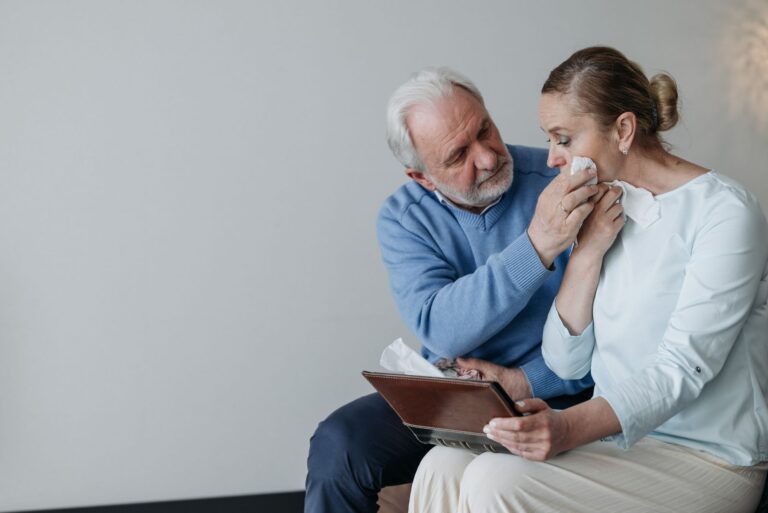
Caregivers most often go wrong by arguing with the paranoid belief itself, taking accusations personally, or missing a treatable medical cause behind the suspicion. Dementia-related paranoia is a false, fixed belief — such as thinking a caregiver is stealing or cheating — that feels entirely real to the person experiencing it, even when it contradicts the facts. The mistakes below are not about a caregiver's character. They happen because the instinct to correct, defend, or explain is the opposite of what works when someone's brain can no longer process evidence the way it used to.
Medical information disclaimer: This article is for general educational purposes only and does not provide medical advice, diagnosis, or treatment. Always consult a physician or other qualified health professional about symptoms, medications, tests, or treatment decisions.
Table of Contents
- Arguing or Trying to Reason the Person Out of It
- Taking Accusations as a Personal Attack
- Overlooking a Medical Cause
- Dismissing the "Stolen" or "Missing" Item Instead of Searching for It
- Leaving Triggering Television or Sudden Startles Unaddressed
- Frequently Asked Questions
Arguing or Trying to Reason the Person Out of It
The most common mistake is treating paranoia like a misunderstanding that facts can fix. The Alzheimer's Association advises against arguing or trying to reason with a person who is experiencing suspicion or delusions, because the belief feels completely real to them and logic will not change it. This means showing a bank statement to disprove a theft accusation, or walking through a timeline to disprove an affair, usually backfires.
The person isn't withholding belief out of stubbornness — the disease has altered how they process and store information, so the counter-evidence doesn't register the way it would for someone without dementia. A related error is confirming the false claim just to end the conflict. The Washington State Department of Social and Health Services specifically warns against agreeing to an accusation that isn't true — for example, admitting to taking something the caregiver never touched. Instead, the guidance is to acknowledge how the person feels and reassure them they're safe, without validating the inaccurate claim.
Taking Accusations as a Personal Attack
Being accused of theft, infidelity, or neglect by someone a caregiver loves and cares for daily is painful, and reacting with hurt or defensiveness is a natural response. The Alzheimer's Association frames this reaction as a mistake worth avoiding: the accusation is a symptom of the disease, not a deliberate attack, and caregivers are advised not to take it personally.
This distinction matters practically, not just emotionally. A caregiver who responds with anger or wounded pride is more likely to raise their voice or stiffen their posture — and the Virginia Department for Aging and Rehabilitative Services notes that a caregiver's own body language, raised voice, or behavior like laughing or whispering near the person can itself escalate the paranoia. The person may not follow the words of an argument, but they often pick up on tone and tension.
Overlooking a Medical Cause
A frequent and avoidable mistake is treating every episode of paranoia as purely behavioral and never asking what might be triggering it physically. The National Council of Certified Dementia Practitioners lists treatable conditions worth ruling out first, including urinary tract infections, dehydration, pain, constipation, poor sleep, and uncorrected vision or hearing loss. These triggers matter because they're fixable in ways the dementia itself isn't.
A UTI, for instance, can produce a sudden spike in confusion and suspicion that looks like the disease worsening but actually resolves once the infection is treated. Both the Alzheimer's Association and the National Institute on Aging recommend a medical evaluation when paranoia is severe, persistent, or raises safety concerns, since medications or an underlying illness can trigger or worsen these symptoms. Skipping that step and managing only the behavior leaves the actual cause untreated.
Dismissing the "Stolen" or "Missing" Item Instead of Searching for It
When a person insists a wallet, keys, or jewelry has been stolen, a common misstep is to dismiss the claim outright or insist nothing is missing. The National Institute on Aging explains that this kind of paranoia is often rooted in memory loss itself: the person forgot where they put the item and concluded someone took it, or they no longer recognize their own caregiver and so distrust them.
The more effective approach, according to Washington State DSHS, is to search for the item together rather than brushing off the concern. The tip sheet also suggests keeping spare copies of frequently misplaced items, like a duplicate set of keys or an extra wallet, so a search can end quickly and the accusation doesn't repeat the next day with the same object.
- Search together instead of insisting nothing is missing
- Keep duplicates of commonly "lost" items on hand
- Avoid asking "where did you last have it," which can sound like an accusation back
Leaving Triggering Television or Sudden Startles Unaddressed
A less obvious mistake is leaving on television programs with violent or disturbing content, assuming the person understands it's fiction. The National Institute on Aging notes that such programming can be mistaken for events happening in the room, feeding fear and suspicion rather than passing harmlessly in the background.
Caregivers who notice this reaction are advised to turn off the program rather than explain that it isn't real. When a person seems frightened, the National Institute on Aging also recommends offering reassurance and redirecting attention — moving to another room or going outside for a walk — rather than staying in the environment that triggered the fear and debating what the person perceived there.
Frequently Asked Questions
Should I ever agree with a false accusation just to calm the person down?
No. Washington State DSHS advises against confirming a false claim; instead, acknowledge the person's feelings and reassure them of their safety without agreeing to something untrue.
Can a physical illness really cause paranoia in dementia?
Yes. The National Council of Certified Dementia Practitioners lists UTIs, dehydration, pain, constipation, poor sleep, and uncorrected vision or hearing loss as treatable triggers worth ruling out.
Why does the person I care for sometimes not recognize me and act suspicious of me specifically?
The National Institute on Aging explains this can stem directly from memory loss — the person may no longer recognize a familiar caregiver and therefore distrust them.