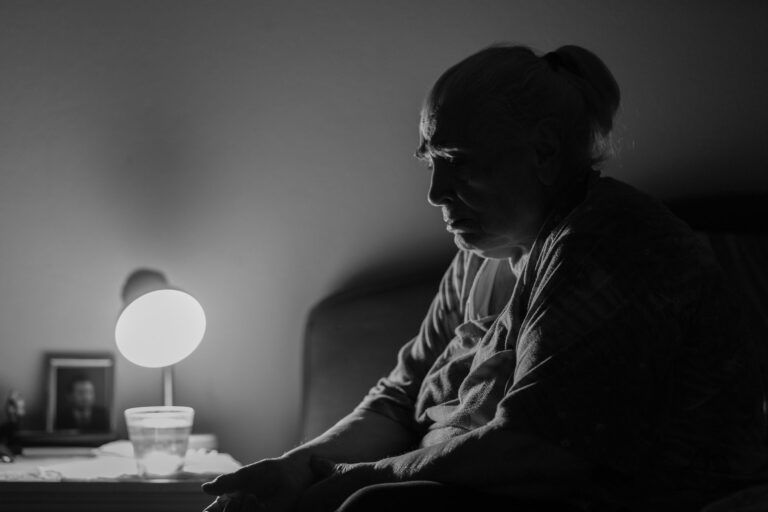
Caregivers want to know whether a loved one's confusion after surgery will fade or signal lasting dementia. Most post-anesthesia confusion is delirium, a temporary state that typically clears within days to weeks, and the best current evidence finds no link between anesthesia itself and a later dementia diagnosis. That doesn't mean nothing is going on. Hospitals and anesthesiologists have changed how they screen and manage older surgical patients specifically because confusion and cognitive dips after surgery are common enough to plan for — and caregivers are often the first to notice when something is off.
Medical information disclaimer: This article is for general educational purposes only and does not provide medical advice, diagnosis, or treatment. Always consult a physician or other qualified health professional about symptoms, medications, tests, or treatment decisions.
Table of Contents
- Is This Delirium, and Will It Go Away?
- Does Anesthesia Itself Cause Dementia?
- What Hospitals Now Do Differently for Older Patients
- What Caregivers Can Do Before and After Surgery
- Frequently Asked Questions
Is This Delirium, and Will It Go Away?
The confusion caregivers see right after surgery is usually postoperative delirium — a sudden state of disorientation, inattention, or agitation that comes and goes over hours. An Anesthesia Patient Safety Foundation report puts the rate at roughly 5% to 50% of surgeries, depending on the procedure and the patient's baseline health, and estimates it costs the U.S. health system about $150 billion a year.
Delirium is not the same as dementia, and most people recover from it. A SAGES-cohort analysis reported via Newswise found that delirium raised the risk of measurable cognitive problems mainly in the first month after surgery, with fewer patients still affected at the two-month and six-month check-ins. For someone with an existing dementia diagnosis, delirium can look like a sharp, frightening setback in memory or behavior — but the pattern holds: the fog is more likely to lift than to mark a permanent decline.
Does Anesthesia Itself Cause Dementia?
This is the question caregivers ask most directly, and the strongest long-term evidence says no. The Adult Changes in Thought (ACT) cohort study followed nearly 4,000 community-dwelling adults 65 and older and found that high-risk surgery under general anesthesia was not associated with a later dementia diagnosis, nor with a later Alzheimer's diagnosis, compared with people who had no such surgery. A separate Mayo Clinic case-control study using medical records from Olmsted County, Minnesota, reached the same conclusion: general anesthesia after age 45 was not a risk factor for developing dementia later.
One study complicates this picture. A 2014 analysis of Taiwan's National Health Insurance Research Database found an increased dementia risk after anesthesia and surgery compared with matched people who had no surgery — but the authors could not separate how much of that risk came from the anesthesia versus the surgery, the underlying illness, or the hospitalization itself. Taken together with the ACT and Mayo findings, the more consistent conclusion is that anesthesia alone is not the driver; what happens around surgery — illness severity, complications, prolonged recovery — likely matters more than the drugs used to keep someone asleep.
What Hospitals Now Do Differently for Older Patients
Anesthesiologists have formalized how they prepare for surgery in older adults. The American Society of Anesthesiologists' December 2024 practice advisory, led by Frederick Sieber of Johns Hopkins, recommends screening patients 65 and older for cognitive impairment and frailty before surgery, and bringing in geriatric specialists when that screening flags a risk. The same advisory found that the type of anesthesia matters less than many caregivers assume: there was no significant difference in delirium risk between general anesthesia and neuraxial (regional or spinal) anesthesia, and no difference between intravenous and inhaled general-anesthesia drugs.
That means the choice of technique should come down to shared decision-making with the surgical team, not a belief that one method is safer for the brain. The advisory does flag dexmedetomidine, a sedative that may lower delirium risk in older patients, though it requires caution because of its effects on heart rate and blood pressure. If you're sitting in a pre-surgical consultation with a parent or spouse who has memory problems, this is the moment to ask directly whether cognitive screening has been done and whether a geriatric specialist is involved in the plan.
What Caregivers Can Do Before and After Surgery
Caregivers are often better positioned than hospital staff to catch early warning signs, because they know the person's baseline. A Health in Aging Foundation tip sheet advises that family members can often spot new confusion, agitation, or withdrawal before staff do, and should report any such change to the care team right away rather than waiting to see if it passes.
Preparation starts before the operation. A joint AARP/American Society of Anesthesiologists initiative on perioperative brain health recommends that informed-consent conversations before surgery explicitly cover delirium risk, so families aren't blindsided by confusion afterward. Practical steps that help orientation and recovery:.
- Bring the person's hearing aids, glasses, and dentures to the hospital, and make sure staff know to put them back on as soon as possible after surgery.
- Ask before the procedure whether cognitive and frailty screening has been done, and whether a geriatric specialist is part of the care plan.
- Stay involved during the hospital stay — a familiar voice and face helps with orientation and is part of what the AARP/ASA initiative recommends.
- Report new confusion, agitation, or withdrawal to the care team immediately rather than assuming it will pass on its own.
- Expect the clearest improvement window to be the first month after surgery, based on the SAGES-cohort findings, and raise concerns with the doctor if things haven't improved by then.
Frequently Asked Questions
How long does confusion after surgery usually last?
Postoperative delirium typically resolves within days to weeks; cognitive effects are most noticeable in the first month, according to the SAGES-cohort analysis, with fewer patients still affected by two and six months.
Should we choose regional anesthesia instead of general anesthesia to protect the brain?
The ASA's 2024 advisory found no significant difference in delirium risk between general and neuraxial anesthesia, so this decision should be based on the procedure and shared discussion with the surgical team, not delirium prevention.
Does one episode of post-surgical delirium mean dementia is coming?
No. Delirium is a temporary state, and large studies including the ACT cohort found no association between surgery under general anesthesia and a later dementia diagnosis.