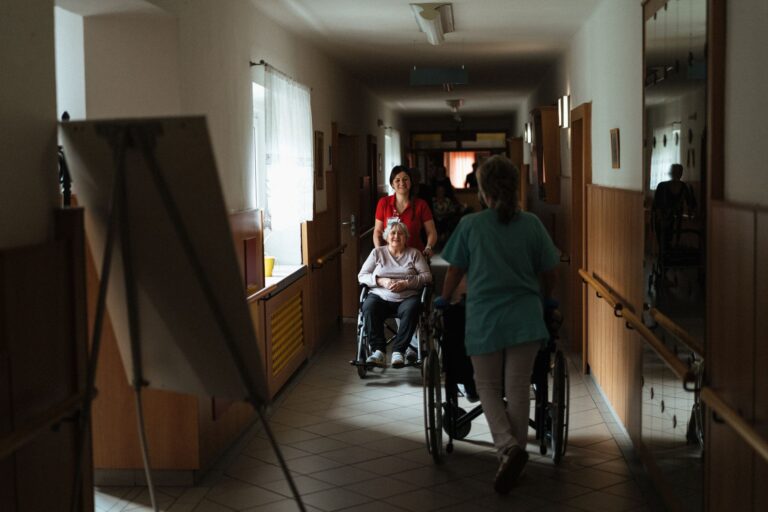
Evidence-based dementia caregiver programs — coaching programs proven in research to help families — are expanding in 2026 through new partnerships, Medicare support, and respite funding. For spouses and partners, that means more help from care navigators, caregiver training, and short-term relief care close to home. Spouses and partners often provide daily hands-on care while protecting their own health and mood. New efforts aim to ease that load with planning, skills training, and time off.
Medical information disclaimer: This article is for general educational purposes only and does not provide medical advice, diagnosis, or treatment. Always consult a physician or other qualified health professional about symptoms, medications, tests, or treatment decisions.
Table of Contents
- What changed in 2026?
- Why proven help stays hard to find
- Medicare GUIDE help at home
- Why spouses face intertwined health risks
- Next steps to get help sooner
What changed in 2026?
The Alzheimer's Association says in its partnership announcement that it launched a three-year partnership for 2026–2028. Partners are Benjamin Rose Institute on Aging and Family Caregiver Alliance. The aim is to grow Best Programs for Caregiving, which identifies and promotes proven family-caregiver programs. Elli Cares, summarizing federal materials, describes Medicare's GUIDE Model as an eight-year effort that began July 1, 2024. Each eligible family gets a care navigator, round-the-clock access to help, caregiver education, referrals, and care planning at no extra cost.
The Administration for Community Living also moved to expand relief care through its 2026 Alzheimer's Disease Programs Initiative. ARCH National Respite Network reports the initiative offered up to 30 state and territory awards. Funding totaled $2 million per year for three years to grow dementia-specific respite through aging-network agencies. Applications were due Aug. 3, 2026.
Why proven help stays hard to find
Best Programs for Caregiving catalogs 47 proven dementia caregiver programs, including REACH, Savvy Caregiver, and STAR-C. The Gerontologist reports in its census in The Gerontologist that 20 programs had fewer than five delivery organizations and five had none.
That gap matters for spouses who need evening or weekend help near home. A strong study result does not equal a local class. Expansion in 2026 targets delivery, not just proof.
Medicare GUIDE help at home
Elli Cares, summarizing federal payment materials, reports the respite rules in its GUIDE eligibility guide. Medicare covers up to $2,625 in respite per patient for the payment year starting July 2026. The 20% coinsurance is waived for this relief care.
Elli Cares notes this relief is limited to moderate- and high-complexity families. The person has moderate or severe dementia and has a caregiver. Elli Cares, summarizing program materials, says each eligible family gets a navigator, round-the-clock access, education, referrals, and planning at no extra cost. Spouses can use that contact to line up training and backup care.
- Ask if the clinic joins GUIDE and serves your stage.
- Ask who your navigator is and how to reach help.
- Ask what training fits your daily tasks.
- Ask how to book covered respite.
Why spouses face intertwined health risks
Rice University researchers studying 264 spousal caregivers report relationship dynamics shape stress in its Rice study summary. Strain, low mood, and immune responses track closeness and conflict, not diagnosis alone. That finding reframes spouse care as a two-person health issue. Tension at home can raise distress for both.
Warmth and clear roles can protect both. Virginia Tech researchers found rumination — replaying worries again and again — carries anxiety into deeper distress for dementia caregivers. They suggest mindfulness skills may help break that loop. Their sample was mainly White women spouses in Virginia care, so results do not fit every family and skills training alone cannot fix burden.
Next steps to get help sooner
Start with local access. Ask your dementia clinic if it joins GUIDE and who serves as navigator. Ask your area aging agency about dementia-specific respite openings. Name the program you want.
Ask for REACH, Savvy Caregiver, or STAR-C, three options listed by Best Programs for Caregiving. Ask what schedule and location work for daily life. Track sleep, mood, and backup-care gaps for one week. Bring that list to the navigator visit and book the first respite hours before strain spikes.
You Might Also Like
- Evidence-Based Dementia Caregiver Programs Expanding in 2026: A Source-Checked Briefing for Spouses and Partners
- Young-Onset Dementia Cost Gaps Identified by NIA in 2026: Questions Spouses and Partners Can Ask Local Care Programs
- Insurance Fragmentation and Dementia Costs in the 2026 NIA Report: Questions Spouses and Partners Can Ask Local Care Programs