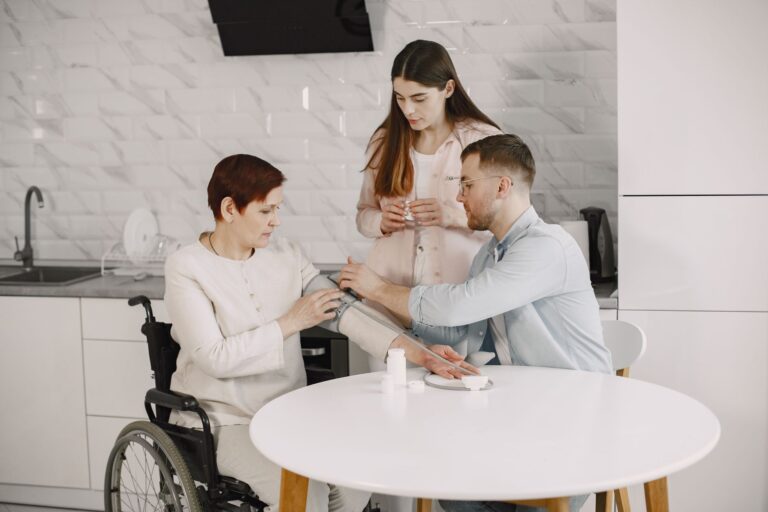
In 2026, the CMS Guiding an Improved Dementia Experience (GUIDE) Model gives family caregivers training, coaching, support groups, and respite. The 2026 checklist is check eligibility, find a local program, finish intake, start training, and plan respite.
CMS launched GUIDE as an 8-year voluntary national model on July 1, 2024. It aims to improve daily life for people with dementia, ease strain on unpaid caregivers, and help people stay home. CMS says in the CMS press release that care coordination, caregiver education and support, and respite are central tools.
Medical information disclaimer: This article is for general educational purposes only and does not provide medical advice, diagnosis, or treatment. Always consult a physician or other qualified health professional about symptoms, medications, tests, or treatment decisions.
Official resources:
- Read the official notice from CMS — Use this primary source to verify the official announcement.
- Read the official guidance from CMS — Use this primary source to verify the official guidance.
Table of Contents
- What training and support do caregivers receive?
- Can your family use GUIDE?
- How do you find a program and finish intake?
- How do respite and round-the-clock help work?
- How do you make training stick at home?
What training and support do caregivers receive?
UCLA Health explains on its CMS GUIDE Model page that participating programs must provide caregiver training, education, support groups, and coaching. The same programs connect families to meals, transportation, and community supports through a Care Navigator. A Care Navigator is a staff guide who coordinates care and links you to services. Bring one or two daily problems to each session.
Practice how you give cues, handle confusion, and take breaks before stress builds. Ask the navigator to match you with a group that fits your schedule. Use support groups for coping ideas, not only facts. Other caregivers share what worked for sleep problems, refusals, and family strain. Coaching helps you turn those ideas into a plan you can repeat.
Can your family use GUIDE?
UCLA Health lists these eligibility points for GUIDE. Check them before you call a program.
If one point fails, ask the program what to do next. Do not delay other care while you check.
- Clinician-confirmed dementia diagnosis
- Original Medicare Parts A and B as primary payer
- No Medicare Advantage, Special Needs Plan, PACE, or hospice election
- Lives in the community, not in long-term nursing-home care
How do you find a program and finish intake?
UCLA Health notes that GUIDE is available only where a participating Dementia Care Program operates. LeadingAge notes in its September 2026 summary that CMS released a video, an infographic, and a program finder for 2026. UCLA describes intake as a comprehensive appointment, a pre-visit questionnaire, an assessment by a Dementia Care Specialist, and a Medicare benefit determination. Complete forms early and bring medication and diagnosis records.
Ask who your Care Navigator will be. Follow this order. Save confirmation numbers and navigator contact details. Call back if you hear nothing within two weeks.
- Confirm Medicare and diagnosis details
- Enter your address in the program finder
- Book intake and finish questionnaires
- Start training and set respite dates
How do respite and round-the-clock help work?
CMS states in the GUIDE FAQs that GUIDE pays for qualifying in-home, adult-day, or facility short stays up to $2,500 per patient each year. The cap adjusts for inflation each year. Respite means a trained person covers care so you can rest, work, or handle health needs. CMS says each family gets a Care Navigator and 24/7 access to a team member or helpline.
Use it for clinical worries and community-resource needs. Save the number where all helpers can find it. Schedule respite before you burn out. Book a short in-home block first, then try adult-day or a facility stay. Tell the navigator what worked and adjust dates.
How do you make training stick at home?
Pick one skill to use each week. Practice it at the same time each day. Note what helps and what fails. Share notes with family helpers.
Keep meals, rides, and group dates on one calendar. Bring that record to coaching visits. Put the helpline number on the fridge and in both phones. Set one respite date now, even if short.
You Might Also Like
- CMS GUIDE Caregiver Education and Training in 2026: What Has Changed and What Has Not for Family Caregivers
- CMS GUIDE Caregiver Education and Training in 2026: What Comes Next and What Family Caregivers Should Watch
- Evidence-Based Dementia Caregiver Programs Expanding in 2026: A 2026 Follow-Up Checklist for Adult Children