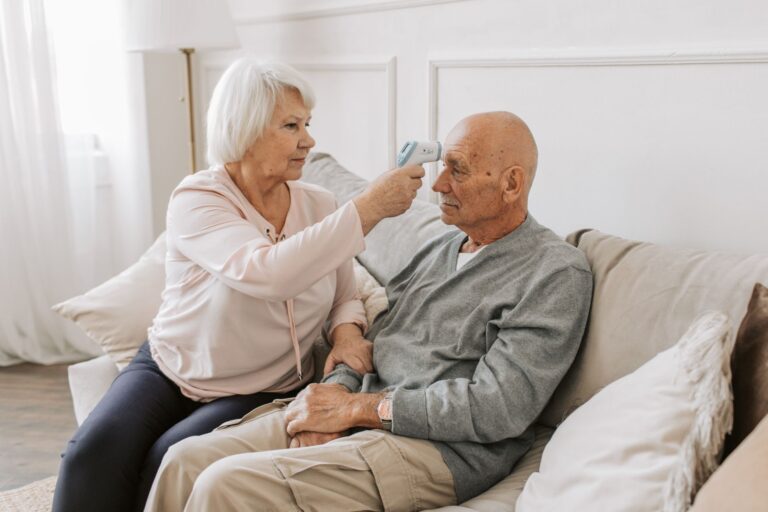
Home-based dementia care research in 2026 prioritizes accessible coordinated services, stronger home models, rural and culturally appropriate care, and quality standards. Family caregivers can ask local programs about assessments, care plans, round-the-clock support, staff training, backup coverage, costs, and respite.
The GUIDE Model is an eight-year Medicare effort launched in 2024 to help people with dementia stay safe at home and ease caregiver strain. The Alzheimer's Association reports nearly 13 million Americans provide unpaid Alzheimer's or other dementia care. That care totaled over 19 billion hours in 2025 valued above $446 billion, per Alzheimer's Association 2025 Facts and Figures.
Medical information disclaimer: This article is for general educational purposes only and does not provide medical advice, diagnosis, or treatment. Always consult a physician or other qualified health professional about symptoms, medications, tests, or treatment decisions.
Table of Contents
- What does coordinated home care include?
- What are 2026 priorities for home-based care?
- Why should you weigh study limits?
- What is being tested for late-stage agitation?
- What can you ask on the first call?
What does coordinated home care include?
According to the Centers for Medicare & Medicaid Services, GUIDE programs coordinate care, provide education, and offer respite. The goal, described in CMS account of coordinated care for a family caregiver, is to keep beneficiaries safe at home while easing caregiver strain.
The Centers for Medicare & Medicaid Services expects participants to deliver comprehensive person-centered assessments and care plans. Ongoing coordination plus 24/7 access to a support line gives families help between visits.
What are 2026 priorities for home-based care?
The 2026 PANEUCARE consensus in Frontiers in Medicine prioritized accessible coordinated services and stronger home-based models. It also called for rural and culturally appropriate care and wider use of dementia quality standards.
For families, that means distance, language, or custom should not decide whether help reaches home. Ask how a local program serves outlying homes and adapts plans to family practices and quality standards.
Why should you weigh study limits?
In its February 23, 2021 review, the National Academies found most dementia-care studies are short-term with small samples. The National Academies review of dementia-care needs also found they underrepresent diverse racial, ethnic and other groups.
Those studies rarely test community- or policy-level supports that shape daily life at home. Ask whether a program tracks results beyond a few weeks and serves families like yours.
What is being tested for late-stage agitation?
Reported by the University of Kentucky via MedicalXpress on Sept. 10, 2026, the phase-2 LiBBY trial tested a cannabis-derived treatment for late-stage agitation.
The trial focused on restlessness, pacing and aggression. Its CARE Compass gives home families tools for comfort, dignity and daily challenges. Ask what comfort strategies a program uses now, apart from experimental treatments.
What can you ask on the first call?
Family Caregiver Alliance guidance suggests asking about training, symptom experience, plans, coverage, costs, and respite. Use these prompts on your first call: Family Caregiver Alliance points families to the Area Agency on Aging through eldercare.acl.gov or 800-677-1116. Bring notes on daily routines, safety risks, and hours you need relief.
- What dementia-specific training do aides and nurses complete?
- How do you handle confusion, wandering, agitation, and sundowning?
- Who writes the care plan, how often is it updated, and who covers nights and backup?
- What are full costs, what does insurance cover, and who qualifies for respite?
You Might Also Like
- The Ideal Dementia Care Map Discussed by NIA in 2026: Questions Family Caregivers Can Ask Local Care Programs
- UAS-CLEAR Dementia Care Research Data Priorities in 2026: Study Design and Evidence Limits for Family Caregivers
- The Long-Term Care Data Cooperative and Dementia Research in 2026: Study Design and Evidence Limits for Family Caregivers