WHO's 2026 dementia guideline keeps regular physical activity as a way to lower dementia risk in adults without dementia. PAHO/WHO says adult children can ask a clinician what dose is safe for a parent with heart disease, diabetes, medications and fall risk. WHO released the second edition on 15 July 2026 to update the 2019 edition for adults without dementia, as described in its guideline announcement. UN News reports that up to 45% of dementia risk could be prevented or delayed by addressing modifiable risks, in its UN coverage.
Medical information disclaimer: This article is for general educational purposes only and does not provide medical advice, diagnosis, or treatment. Always consult a physician or other qualified health professional about symptoms, medications, tests, or treatment decisions.
Official resources:
- Read the official guidance from Who — Use this primary source to verify the official guidance.
- Read the official guidance from Who — Use this primary source to verify the official guidance.
Table of Contents
- What the update keeps
- How much weekly activity applies after 65?
- Which safety questions help a parent visit?
- What activity can and cannot change
What the update keeps
WHO released the 2026 edition for adults without dementia. WHO keeps increasing regular physical activity to lower risk.
In WHO guidance, stopping tobacco, reducing alcohol and eating a healthy diet stay listed. Managing hypertension, diabetes and high cholesterol also stays listed. WHO groups these steps as actions that lower risk.
How much weekly activity applies after 65?
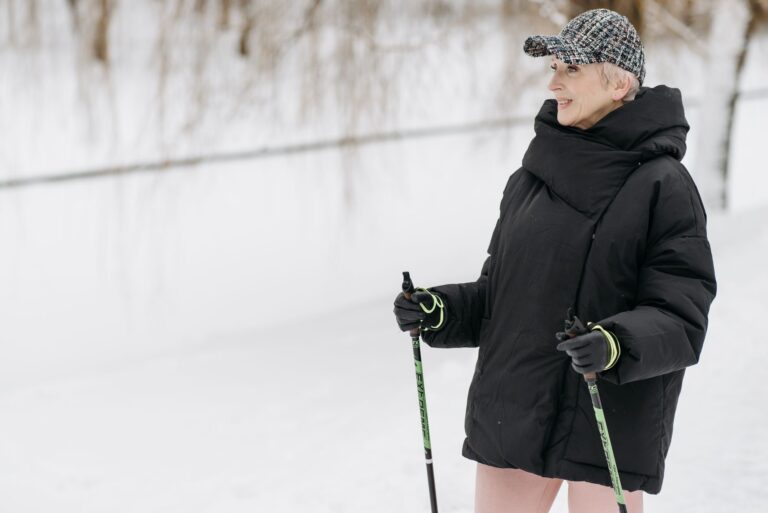
WHO advises at least 150 minutes of moderate-intensity aerobic activity each week for adults 65 and older. The alternative is at least 75 minutes of vigorous activity each week.
An equivalent combination also meets the advice, according to WHO in its physical-activity guidance. That weekly total gives families a clear number to discuss with a clinician. PAHO/WHO notes the safe dose depends on a parent's health and fall risk.
Which safety questions help a parent visit?
PAHO/WHO notes benefits are risk-reducing, not guaranteed. That limit makes safety questions the focus of the visit.
PAHO/WHO also notes vitamin supplements are not recommended for risk reduction. Families can set that option aside and focus the visit on activity and medical conditions.
- What weekly minutes are safe with my parent's heart disease?
- How do diabetes and current medications change that dose?
- How should fall risk shape the type, place, or support for activity?
What activity can and cannot change
WHO's evidence review found active people had lower risk of all-cause dementia and Alzheimer's disease. The Alzheimer's Drug Discovery Foundation, summarizing WHO, reports a small cognitive benefit favoring aerobic over resistance training. Dementia affects more than 57 million people worldwide, with nearly 10 million new cases yearly.
About 60 to 70 percent of cases come from Alzheimer's disease, and there is no cure, UN News reports. PAHO/WHO notes risk reduction lowers chance without guaranteeing prevention. Ask the clinician to write down the agreed weekly target and any limits tied to heart, diabetes, medications, or fall risk.
You Might Also Like
- Vitamin Supplements in the 2026 WHO Dementia Guideline: How the Advice Compares With Common Online Claims for Adults in Midlife
- Vitamin Supplements in the 2026 WHO Dementia Guideline: What Is Established and What Is Still Being Studied for Adults in Midlife
- Unpaid Dementia Care Costs in the 2026 NIA Summit Report: What Changed and What Comes Next for Adult Children