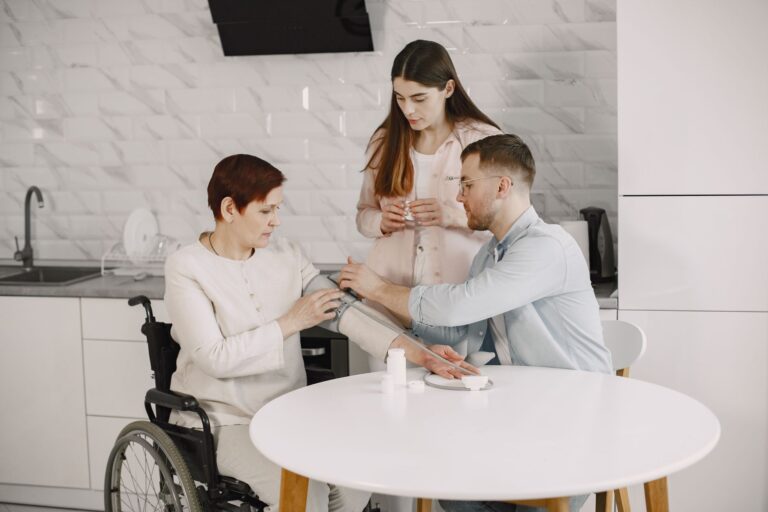
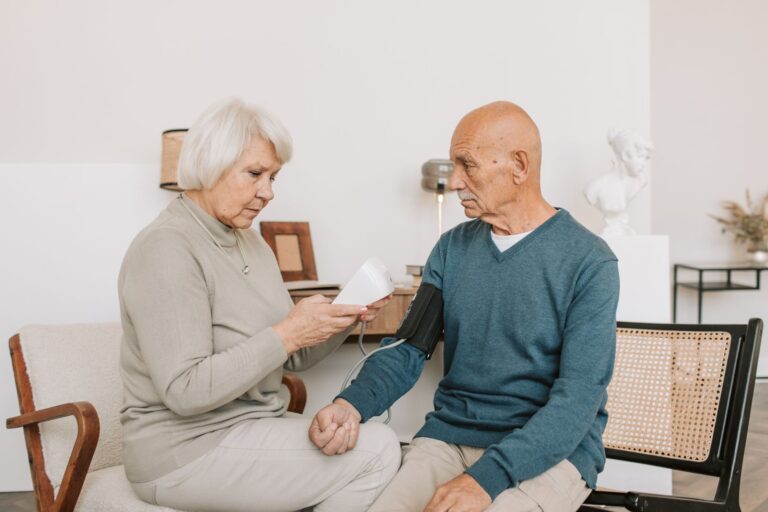
Distant family can support Parkinson's disease dementia, decline after movement symptoms, with local help and backup, per the Parkinson's Foundation in its dementia guide. Build the plan around in-home care, money and bill management, shared information, respite for a local caregiver, and safety steps. The Alzheimer's Association reports nearly one million Americans live with Parkinson's disease, projected to reach 1.2 million by 2030. That growth means more adult children and partners will coordinate dementia care from another city or state.
Medical information disclaimer: This article is for general educational purposes only and does not provide medical advice, diagnosis, or treatment. Always consult a physician or other qualified health professional about symptoms, medications, tests, or treatment decisions.
Table of Contents
- What does Parkinson's dementia change day to day?
- What can you own from an hour away?
- What goes in a remote care file?
- When should you seek medical review and local aid?
What does Parkinson's dementia change day to day?
About half of people with Parkinson's develop mild cognitive impairment with clear memory and thinking changes, says the Parkinson's Foundation. Long-term studies suggest many develop mild dementia years after diagnosis. Parkinson's dementia can bring memory loss, confusion, mood shifts, hallucinations, delusions, visual-perceptual trouble, and language problems.
The Parkinson's Foundation and the Alzheimer's Association note these changes can limit independent daily tasks and social life. The Parkinson's Foundation notes dementia with Lewy bodies brings cognitive decline first, not after movement symptoms. Ask the neurologist which pattern fits your person so home support matches the likely course.
What can you own from an hour away?
The National Institute on Aging defines a long-distance caregiver as living an hour or more away, described in its caregiving guide. Distance suits behind-the-scenes work that keeps daily life steady. Under the National Institute on Aging model, you can arrange in-home help, manage money and bills, and share updates.
You can also fund respite, short relief, for the primary caregiver and write the safety and emergency plan. For example, you can schedule a home aide for bath days while a local sibling covers evenings. You can also hold the emergency card with backup contacts and a neighbor with a key.
What goes in a remote care file?
The Alzheimer's Association advises a file with contacts for doctors, pharmacies, care providers, and neighbors plus money and legal papers in its long-distance checklist. Keep copies where both you and the local caregiver can reach them day or night. Build one page for urgent calls and one folder for planning.
Update the log after every visit, call, and medication change. As the Association advises, use each visit to join a medical appointment and check home needs. Check food, bathing, driving, bills, mood, and sleep on the same trip.
- doctors, pharmacy, home aide, neighbor contacts
- money accounts, bills, legal papers and where originals sit
- drug list, appointment dates, and change log
When should you seek medical review and local aid?
The Parkinson's Foundation warns dopamine loss, depression, anxiety, poor sleep, fatigue, and drugs can cloud thinking and look like dementia. Send any new confusion or hallucination for prompt medical review, not remote diagnosis. Only rivastigmine tartrate is established to treat Parkinson's dementia, the Foundation notes, so ask the doctor what fits.
Do not start, stop, or change a dose by phone from afar. For local aid, call the Parkinson's Helpline at 1-800-473-4636, per the Parkinson's Foundation. Call the Eldercare Locator at 1-800-677-1116 to find local aging services, per the Administration for Community Living.