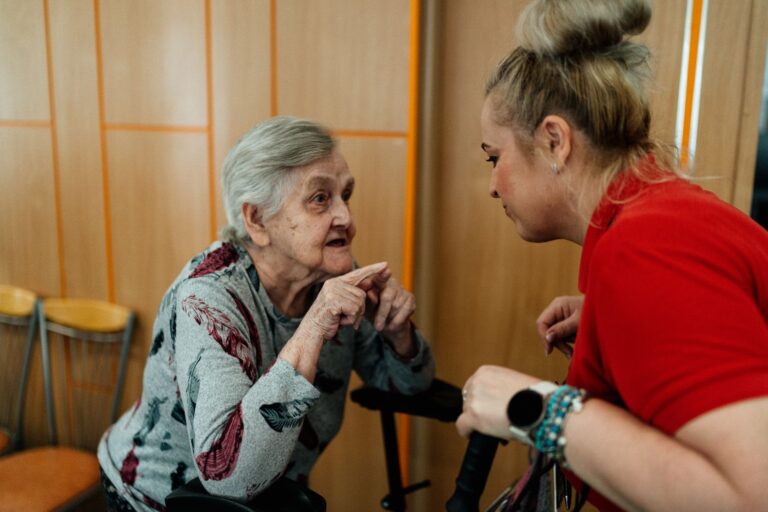
CMS GUIDE makes caregiver education a covered part of dementia care, with direct planning implications for Medicare families in 2026. The Guiding an Improved Dementia Experience (GUIDE) Model pays for coordinated care, training, support, and respite to help people remain at home. UCLA Health describes GUIDE as a voluntary, nationwide 8-year test that began July 1, 2024 UCLA Health overview of the CMS model. For families, that means training and navigation can be written into the care plan alongside medical care.
Medical information disclaimer: This article is for general educational purposes only and does not provide medical advice, diagnosis, or treatment. Always consult a physician or other qualified health professional about symptoms, medications, tests, or treatment decisions.
Official resources:
- Read the official guidance from CMS — Use this primary source to verify the official guidance.
- Apply through Ellicares’s official page — Use this page to review requirements and apply directly.
Table of Contents
- What training does GUIDE require?
- How does support reach the care plan?
- Who can enroll?
- What does respite cover and what are the limits?
- How should families use this in planning?
What training does GUIDE require?
GUIDE participants must offer caregiver training and support plus connections to community resources. The offer is tailored to needs found in the comprehensive assessment, updated when needs change, and recorded in the care plan.
The required program includes skills training, information about the dementia diagnosis, support-group services, and ad hoc one-on-one calls. According to Elli Cares, diagnosis information and one-on-one calls must be direct, training may be contracted, and groups may be referred Elli Cares summary of required training. Ask who delivers each part and how to reach them.
How does support reach the care plan?
Each family receives a comprehensive assessment, an individualized care plan, and a dedicated care navigator. The navigator serves as the primary contact, with tier-based minimum contacts.
Families also get 24/7 access to a care-team member or helpline. Use that contact for medication changes, behavior changes, safety concerns, and caregiver strain. Keep the navigator updated so training and referrals stay matched to current needs.
Who can enroll?
GUIDE serves traditional Medicare Part A and B beneficiaries with confirmed dementia. The person must live in the community and have an unpaid caregiver.
If housing, hospice, or plan enrollment changes, check eligibility again. A move into residential care can end GUIDE participation.
- Lives at home, not in long-term nursing-home, memory-care, or residential care
- Not in hospice and not enrolled in a Special Needs Plan or PACE
- Has confirmed dementia and an unpaid caregiver who can take part
What does respite cover and what are the limits?
Only caregivers of moderate-to-severe or moderate- and high-complexity patients qualify for respite. Covered options include in-home help, adult-day programs, and facility-based stays.
Respite is capped at $2,500 per patient per year, adjusted for inflation. The cap was $2,563 in performance year 2025. Families pay no extra cost-sharing for GUIDE services, including respite.
How should families use this in planning?
GUIDE is available only through a CMS-approved GUIDE provider in its service area, so geography controls access. According to LeadingAge, regular Original Medicare cost-sharing still applies to non-GUIDE clinical care LeadingAge summary of CMS resources. Families keep all Medicare benefits and keep their choice of providers.
Confirm a nearby participant through the CMS GUIDE site and review the Sept. 21, 2026 CMS video resources before making decisions. Check the CMS GUIDE site for a participant in your ZIP code before you build respite into the plan.
You Might Also Like
- CMS GUIDE Caregiver Education and Training in 2026: Coverage, Cost, and Access Questions for Medicare Families
- Evidence-Based Dementia Caregiver Programs Expanding in 2026: Care-Planning Implications for Family Caregivers
- Evidence-Based Dementia Caregiver Programs Expanding in 2026: Cost and Access Questions for Family Caregivers