Caregivers for dementia care in 2026 are mainly family members and friends who help people with Alzheimer's or other dementias live at home. They face high time demands and health strain, and the key step is getting support early. A dementia caregiver is anyone who regularly helps with daily tasks, medical decisions, and safety.
The Alzheimer's Association estimates 7.4 million Americans age 65 and older have clinical Alzheimer's dementia in 2026 in its 2026 Facts and Figures report. That report projects nearly 13 million cases by 2050 without breakthroughs. The same Association reports nearly 13 million family members and friends provide unpaid care in its Facts and Figures summary.
Medical information disclaimer: This article is for general educational purposes only and does not provide medical advice, diagnosis, or treatment. Always consult a physician or other qualified health professional about symptoms, medications, tests, or treatment decisions.
Table of Contents
- Who provides most dementia care?
- Why is dementia caregiving harder?
- What does the evidence support?
- What can you do next?
Who provides most dementia care?
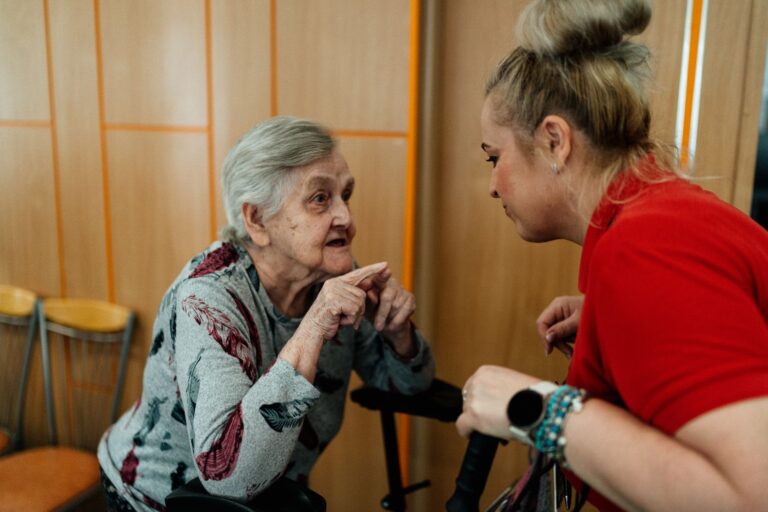
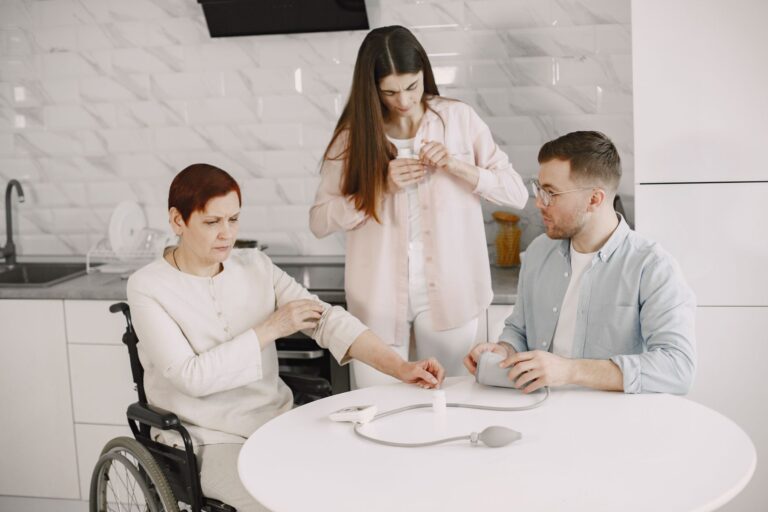
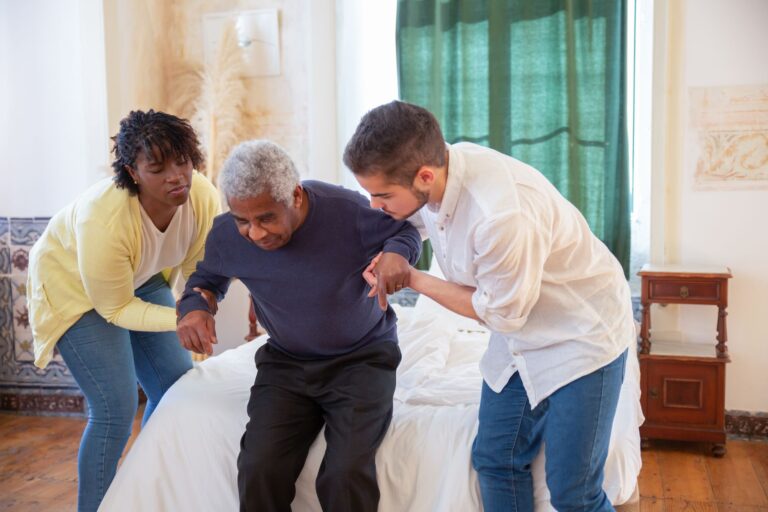
Families are the largest care workforce. Spouses, adult children, relatives, and close friends cover meals, rides, medicines, bills, and supervision. Many do this daily for years while working or raising children.
Risk is not equal across groups. The Alzheimer's Association reports older Black Americans are about twice as likely to have Alzheimer's or other dementias as older White adults. Older Hispanics are about 1.5 times as likely.
Why is dementia caregiving harder?
Dementia care often means more hours and more hands-on tasks than other caregiving. A comparison study in the American Journal of Geriatric Psychiatry found greater emotional, physical, and financial strain plus higher depression and anxiety risk in its caregiver comparison findings. Needs grow as memory, judgment, sleep, and behavior change.
Strain can start soon after diagnosis and persist. University of Michigan researchers reported a 30% rise in depressive symptoms for spouses caring for a newly diagnosed partner, sustained over time. Watch for these warning signs in yourself:.
- broken sleep, fatigue, or skipped medical visits
- constant worry, sadness, anger, or guilt
- less contact with friends, work trouble, or money stress
What does the evidence support?
REACH II is a structured caregiver coaching program. It teaches problem-solving, stress management, and ways to handle daily care challenges. Some clinics offer adapted versions by phone or in person.
Results are modest and uneven. A 2023 National Academies review found only low-strength evidence that REACH II and adaptations reduce caregiver depression. Results for other outcomes were inconsistent, so families should seek programs with clear goals, trained staff, and follow-up.
What can you do next?
Act early, before a crisis. Build a small plan around tasks, backup help, and relief time.
Medicare's 8-year GUIDE Model, begun July 1, 2024, offers dementia care coordination, caregiver education and support, and 24/7 access, according to the Centers for Medicare & Medicaid Services in its GUIDE Model description. The model also offers up to $2,500 annually per eligible patient for respite to help people stay home. Ask the person's medical practice if it takes part in GUIDE.
- list daily tasks you cover and where you need backup
- ask the care team about dementia care coordination and caregiver training
- schedule respite breaks and overnight coverage options
- keep one contact list for medicines, appointments, and urgent help
You Might Also Like
- How to Verify Caregivers for Dementia Care Claims in 2026: FDA, NIH, WHO, and CMS sources, Evidence, and Red Flags
- What Is New With Caregivers for Dementia Care in October 2026? Latest FDA, NIH, WHO, and CMS sources and Key Takeaways
- Caregivers for Dementia Care October 2026 Update: What Changed, Why It Matters, and What to Watch Next