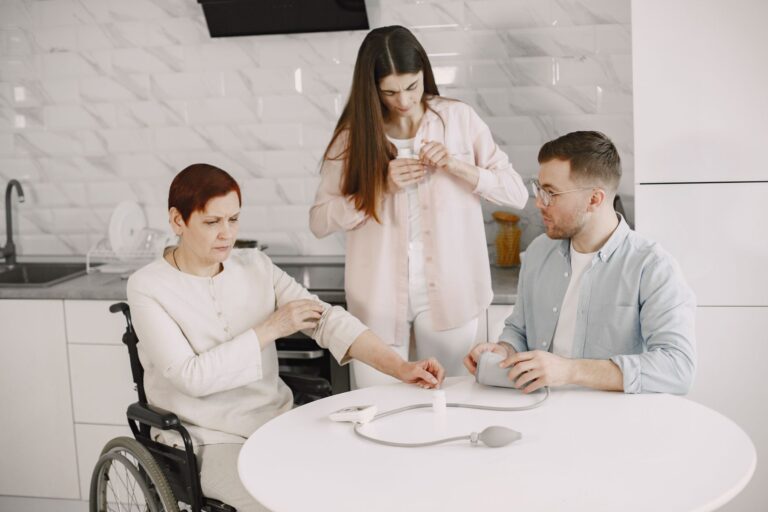
Your parent's refusal is common and often workable with a slower start. A home caregiver — a paid aide who helps with bathing, meals, and daily tasks — can feel threatening at first because memory loss, confusion, and fear make a stranger seem unsafe. You can lower that fear by using the same aide for short visits, keeping a steady routine, and giving clear choices. The steps below show what to say, what to change at home, and when to seek legal or outside help.
Medical information disclaimer: This article is for general educational purposes only and does not provide medical advice, diagnosis, or treatment. Always consult a physician or other qualified health professional about symptoms, medications, tests, or treatment decisions.
Table of Contents
- Why does a parent reject a new aide?
- How can you introduce the caregiver?
- What helps during bathing and dressing?
- What daily habits lower resistance?
- When is persuasion not enough?
Why does a parent reject a new aide?
Refusal rarely means stubbornness. Dementia impairs memory, judgment, and recognition, so a new helper can feel like an intruder. The Alzheimer's Association explains this pattern in its guide to suspicion and delusions. Agitation makes refusal more likely.
A 2023 Geriatric Nursing study of advanced dementia found higher agitation strongly linked to more care refusal, while stronger daily-function ability linked to less refusal. Pain, fatigue, hunger, noise, and rushed care can also raise tension. Watch for triggers before the visit. Sundowning, hunger, or a disrupted sleep schedule can turn a manageable introduction into a conflict. A calm time of day works better than a tired evening.
How can you introduce the caregiver?
Start small and keep the same person. Florida Senior Consulting guidance advises short visits from one aide, framed as a friend or household helper, with choices on timing, gender, and tasks.
Choice restores some control. Try language that lowers threat. Say "Maria is here to help with laundry and lunch" rather than "your new caregiver." Stay nearby for the first visits, then step away briefly as trust builds.
- Keep early visits short, pleasant, and task-light
- Use the same aide, same time, and same greeting
- Offer two clear options: "Morning or afternoon help?"
What helps during bathing and dressing?
Personal care causes the most friction because it involves touch, undressing, and close contact. Move slowly, protect privacy, and let your parent do what is still safe to do alone. Rushing increases resistance. The National Institute on Aging recommends explaining each step first, using short prompts, showing the action, and beginning with less-threatening areas like hands or feet in its bathing, dressing, and grooming guidance.
Covering shoulders with a towel preserves dignity. Give one instruction at a time. Say "Hold the warm cloth," demonstrate, then wait. If refusal rises, pause and try later rather than forcing the task.
What daily habits lower resistance?
Predictable routine lowers confusion. The National Institute on Aging advises keeping bathing, dressing, and eating at the same time daily in its guidance on managing personality and behavior changes. A parent who knows what comes next fights less. Daytime habits also reduce evening agitation.
National Institute on Aging guidance for agitation and sundowning recommends daily sunlight, daily physical activity, no late-day alcohol or caffeine, and no long late-day naps. Keep the home quiet, well lit, and free of rushing. Match hard tasks to good hours. Schedule bathing when your parent is rested, fed, and calm. Keep wake, meal, and bed times steady, even on weekends.
When is persuasion not enough?
Safety overrides preference. If your parent wanders, leaves stoves on, skips medication, falls, or cannot understand risks, gentle tactics alone may fail. Do not leave a high-risk person alone while waiting for acceptance.
Legal authority matters in that case. HelpDementia, reporting Family Caregiver Alliance legal guidance, notes families may need to activate durable power of attorney or seek court guardianship, which can take months and varies by state. Check the exact document and state rule early. For local assessment, respite, and support-group referrals, Alzheimers.gov points families to the Alzheimer's Association helpline at 1-800-272-3900 and Eldercare Locator at 1-800-677-1116 in its tips for caregivers and families.