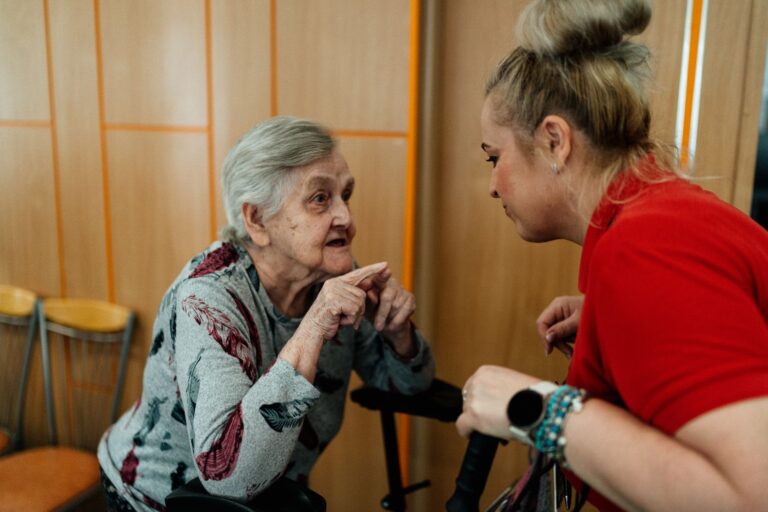
A dementia caregiver group chat is a private message thread where family and helpers share care updates. Keep it useful and respectful by posting short, clear updates on one topic at a time and leaving the person with dementia out of fast-moving threads. This structure matters because care often involves many people over long periods. Nearly 12 million Americans provide unpaid care for people with Alzheimer's or another dementia, contributing more than 19 billion hours yearly, according to the Alzheimer's Association announcement.
Medical information disclaimer: This article is for general educational purposes only and does not provide medical advice, diagnosis, or treatment. Always consult a physician or other qualified health professional about symptoms, medications, tests, or treatment decisions.
Table of Contents
- What should you post, and what should you leave out?
- How do you set ground rules without sounding harsh?
- Who needs to be in the chat?
- How can the chat arrange real breaks?
- How do you stop disputes about decisions?
What should you post, and what should you leave out?
Post changes that affect daily care: sleep, appetite, mood, falls, missed medicine, appointments, and who will cover each task. Use plain words, one update per message, and name the date and time. Keep clinical detail narrow.
The HHS Office for Civil Rights states that health information shared with family or others involved in care must stay directly relevant to that person's involvement under 45 CFR 164.510(b), so limit details to what each recipient needs in the HIPAA guidance for professionals. Do not forward confusing threads, test results, or speculation to the person with dementia. The Alzheimer's Association advises one-on-one talk in a quiet space with slow, clear speech, which means group chatter can overwhelm rather than inform in its communication guidance.
How do you set ground rules without sounding harsh?
Agree on purpose, members, hours, and urgency labels at the start. A simple start is: updates here, comfort and photos in a second thread, urgent needs start with "URGENT," and routine notes wait until morning. Assign one editor per day to summarize decisions.
That person posts a short recap with task, owner, and deadline, then moves side talk elsewhere. Short summaries reduce repeat questions and late-night piling on. Pin key facts at the top: diagnosis summary, allergies, medicine list location, proxy contact, and preferred routines. Update the pinned note when something changes, and delete old instructions so helpers do not follow stale directions.
Who needs to be in the chat?
Include people with a current care role: household caregivers, backup family, paid aides, and a care coordinator when one exists. Alzheimers.gov tells dementia caregivers to ask family and friends for help and contact local services for added care, so use the chat to make those asks specific in its tips for caregivers and families. Leave out distant relatives, neighbors, and curious friends unless they have an assigned task.
A smaller list protects dignity, lowers conflict, and keeps messages focused on action. Add a separate support thread for emotional talk. Alzheimers.gov also recommends joining an online or in-person caregiver support group to share stories and reduce isolation, which works better than mixing grief, frustration, and logistics in one place.
How can the chat arrange real breaks?
Use the chat to schedule respite, which is short-term relief care. The National Institute on Aging says respite services provide care at home, in a health facility, or at an adult day center, and urges helpers to offer occasional breaks in its guide to getting help with Alzheimer's caregiving.
Make the request concrete and time-bound: Track fairness without blame. Rotate weekends, holidays, night calls, and transport duty, then post the next two weeks in advance.
- Name the gap: "Need coverage Saturday 10-2 for grocery and rest."
- List tasks: meals, walking, toileting help, medicine reminder.
- Ask one person directly, with a backup name and deadline to reply.
- Confirm arrival, parking, payment, and emergency contact before the visit.
How do you stop disputes about decisions?
Pin the health-care proxy and the person's stated wishes where members can find them. Early naming of a durable power of attorney for health care, plus discussion of wanted care with family and clinicians, prevents later arguments about who decides. Separate facts, options, and choices in difficult threads.
Ask one member to state the problem, list two or three options with trade-offs, then record the proxy's decision and next review date. Move conflict out of the main thread fast. Pause the group debate, take disagreement to a call with the proxy and clinician, then post only the final plan back to the chat.