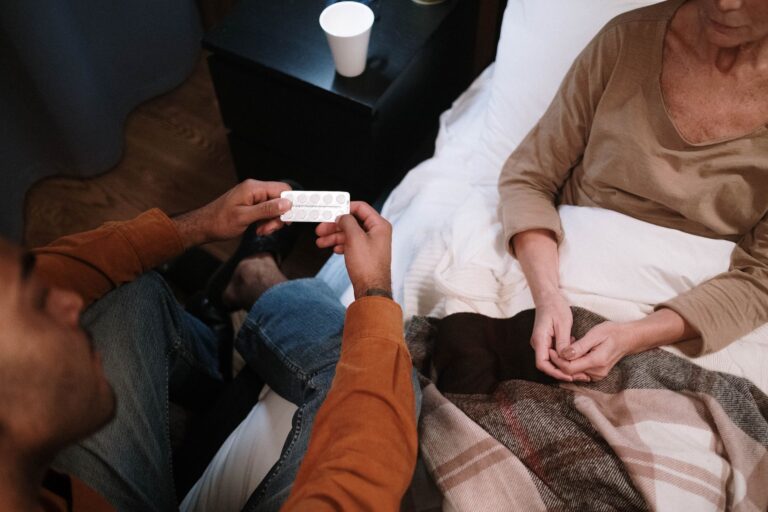
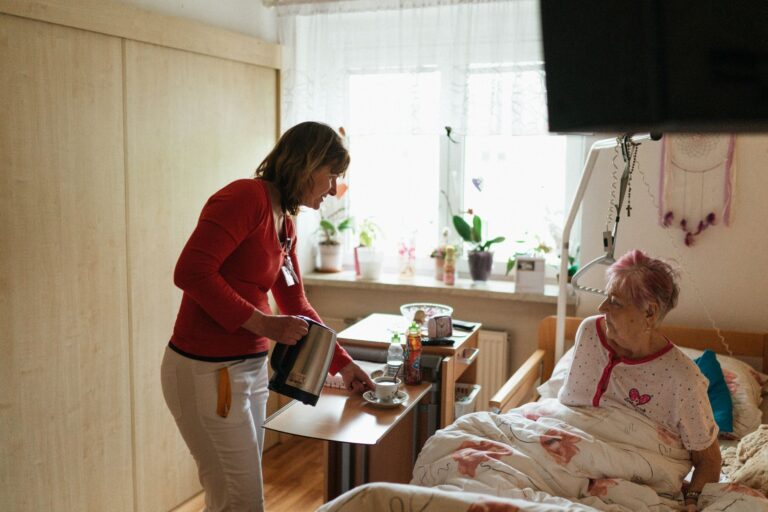
Unpaid dementia care costs about $233 billion a year in the analysis highlighted in the 2026 National Institute on Aging summit report. Unpaid care means help from family members and friends without pay, for a person with dementia, a condition that harms memory and daily function. The National Institute on Aging held its virtual Dementia Care and Caregiving Research Summit on March 17-19, 2026. It published the summit report in August 2026 on care coordination, caregiver interventions, economic impacts, and data systems, as described in its August 2026 summit report.
Medical information disclaimer: This article is for general educational purposes only and does not provide medical advice, diagnosis, or treatment. Always consult a physician or other qualified health professional about symptoms, medications, tests, or treatment decisions.
Table of Contents
- What does the $233 billion cover?
- How many caregivers stand behind the number?
- How does unpaid care compare with medical bills?
- Why do other totals look larger, and what should families do?
What does the $233 billion cover?
The NIA-supported U.S. Cost of Dementia project, cited in the summit report, puts total annual U.S. economic impact at $781 billion. That total includes $232 billion in direct medical and long-term care and $233 billion in unpaid care.
In this type of model, unpaid hours are valued at replacement cost. That means researchers assign a dollar value to family time based on what paid help would cost. The result treats home care as real economic work. The two shares are nearly equal in this estimate:.
- $232 billion for direct medical and long-term care
- $233 billion for unpaid care from family and friends
How many caregivers stand behind the number?
A USC-led study published June 24, 2026 in Alzheimer's and Dementia estimates 5.7 million U.S. adults age 51 and older live with dementia in 2026. The same study puts total comprehensive dementia costs that year at $818 billion, according to USC Schaeffer Center researchers in their June 2026 summary.
That model finds 5.2 million family members and friends provided 6.8 billion hours of unpaid dementia care. It values that care at $237 billion, or 29 percent of total costs. The $233 billion summit-cited figure and the $237 billion USC-model figure come from related but distinct calculations. Readers should use one estimate at a time when planning or explaining needs.
How does unpaid care compare with medical bills?
Of $222 billion in 2026 medical and long-term-care costs in the USC model, Medicare accounts for about $110 billion and Medicaid accounts for about $44 billion. The rest comes from other payers and out-of-pocket spending, as reported by USC Schaeffer Center via McKnight's reporting. Medical bills are still only part of the full burden.
The largest share is $320 billion, or 39 percent, from reduced quality of life for people with dementia, according to Association of Health Care Journalists reporting on the study. The model also counts $23 billion in forgone wages by people with dementia and their care partners combined. That wage loss sits alongside time spent on meals, rides, medicines, supervision, and coordination with clinics and aides.
Why do other totals look larger, and what should families do?
The Alzheimer's Association estimates nearly 13 million Americans provided more than 19 billion hours of unpaid Alzheimer's and dementia care in 2025. It values that care at $446.3 billion, above its $409 billion projection for 2026 paid health and long-term-care costs, as stated in its 2026 Facts and Figures. The Association counts a broader care population and a different year than the USC dementia model.
Different definitions, years, and valuation methods explain much of the gap. Neither figure is a household bill, but both show unpaid time carries most of the load. Use the numbers as a planning prompt: Comprehensive totals depend on replacement-cost and quality-of-life methods and omit legal planning, housing changes, and full state Medicaid variation. The Medicaid share may therefore be understated.
- List weekly tasks, hours, and who provides backup
- Track out-of-pocket costs for travel, supplies, and respite
- Ask the care team about coordination help and caregiver programs
- Start legal and financial planning early, since those costs are often omitted from comprehensive totals
You Might Also Like
- Insurance Fragmentation and Dementia Costs in the 2026 NIA Report: Service Gaps That Matter to Family Caregivers
- Financial Vulnerability Before Dementia Diagnosis in the 2026 NIA Report: Service Gaps That Matter to Family Caregivers
- Wearables for Dementia Care Research in the 2026 NIA Report: Why the Findings May Not Change Care Yet for Adult Children