Folding laundry can be a good activity for a person with dementia because it is familiar, simple, and possible to finish. Dementia gradually affects memory, thinking, and daily skills. Making it easy to start means using the same time and place, a small pile, and one clear step at a time.
According to the UC San Diego Alzheimer's Disease Research Center, sorting, organizing, and folding freshly washed clothing can work well at home because it feels like a normal chore but stays achievable Activities in the Home guide. The task uses skills practiced for years. Success can bring calm and a sense of helping.
Medical information disclaimer: This article is for general educational purposes only and does not provide medical advice, diagnosis, or treatment. Always consult a physician or other qualified health professional about symptoms, medications, tests, or treatment decisions.
Table of Contents
- Why does folding still fit?
- Why is beginning harder than doing?
- How can you make starting easier?
- What if the folds are uneven or repeated?
Why does folding still fit?
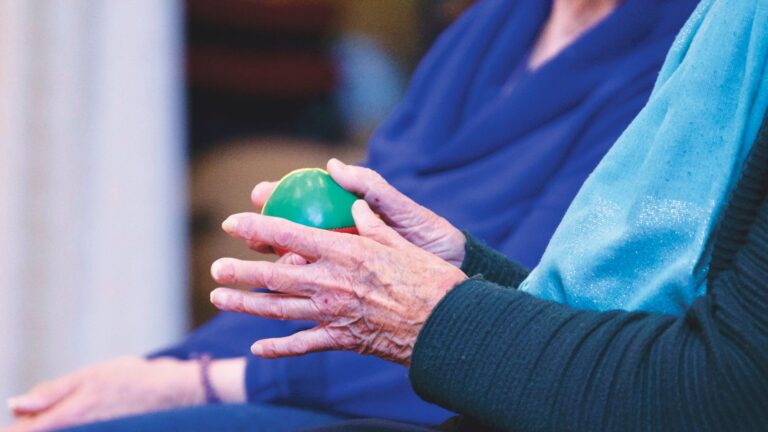
Folding draws on long-practiced self-care abilities that many older people with dementia retain. The Montessori-Based Activities for Persons With Dementia excerpt notes that folding and hanging clothes use those retained habits. Practice can also support fine and gross motor skills and hand-eye coordination.
Match the job to what the person can do today. Alzheimers.gov guidance advises involving the person in chores such as folding and simplifying as abilities change. Choose soft items that are easy to hold, such as towels, washcloths, or T-shirts.
Why is beginning harder than doing?
Apathy is a loss of drive to begin or continue activity. It does not mean the person dislikes you or the task. It can feel like an inner block between wanting to join in and taking the first step.
The Journal of Aging and Mental Health describes this as an internal struggle that hinders starting or continuing even when connection is still wanted. That is why waiting for self-starting often fails. A warm, direct invitation plus a ready setup can bridge the gap.
How can you make starting easier?
Keep the same time, order, and spot each day. The National Institute on Aging advises a steady routine for bathing, dressing, eating, and activities to reduce confusion and manage growing difficulty tips for everyday tasks. Fold after lunch at the table, for example, not at shifting times.
Set out one small pile before you invite participation. Turn off the TV and lower background noise. The Alzheimer's Association Activities at Home planning guide recommends this kind of simple, prepared setup with praise for taking part Activities at Home planning guide. Hand one item at a time and show each fold.
- Place two or three towels on a clear table.
- Say the person's name, then give one short step: "Mary, please fold this towel."
- Show the fold slowly, then hand over the next item.
- Praise effort: "You smoothed that well."
What if the folds are uneven or repeated?
Uneven results are normal and do not mean the activity failed. HelpDementia.com, reviewed in March 2025, notes that folding and refolding non-dirty laundry is common and may meet needs for calm, purpose, and familiarity. Correcting or demanding neatness can cause distress. Stay with participation, not perfection.
U.S. Department of Veterans Affairs guidance and UC San Diego guidance both advise short speech, one instruction at a time, and steps broken into simple parts. If sorting is too hard, offer only folding. If folding fades, offer holding, smoothing, or stacking.