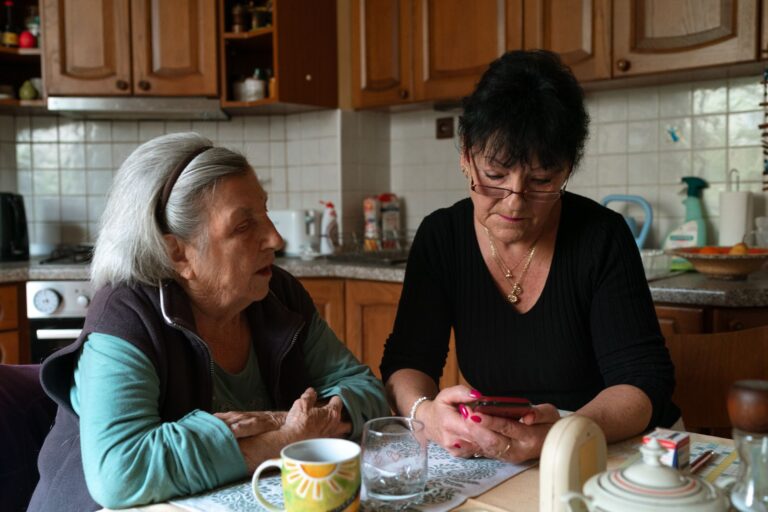
The 2026 National Institute on Aging summit report names care-coordination programs ready to expand, tested largely in White, female, spousal caregivers. It also lists rural, Black, Latino, Asian, low-income, non-English-speaking, LGBTQ+, non-spousal and long-distance caregivers as understudied. Implementation-ready means tested enough to try in clinics and home care. The report sets priorities for wider use, not one treatment.
Medical information disclaimer: This article is for general educational purposes only and does not provide medical advice, diagnosis, or treatment. Always consult a physician or other qualified health professional about symptoms, medications, tests, or treatment decisions.
Table of Contents
- What does ready mean in this report?
- Who was actually studied?
- Who was left out?
- What help can caregivers ask about now?
What does ready mean in this report?
The National Institute on Aging says in its 2026 summit report that it met March 17-19, 2026 with researchers, people living with dementia, caregivers and health systems. The goal was to set priorities for putting proven support into regular care. It did not name one best treatment. Readiness is still early.
The National Institute on Aging says stronger measures are needed for cost, complexity, fidelity and acceptability. It also calls for payment and sustainability planning from the start. An earlier federal review found the same gap. The Agency for Healthcare Research and Quality found too little evidence to judge most dementia caregiver programs. That review also could not judge how programs work after changes for diverse communities.
Who was actually studied?
Long-term caregiver data show why support matters. Cited survey data followed over 2,000 caregivers, including 476 dementia caregivers. Dementia caregivers reported higher burden, fewer rewards and more life changes than other caregivers. Past dementia studies often enrolled a narrow group.
University of Washington researchers report in Alzheimer center data that co-participants are mostly women and older than dementia caregivers nationally. The male share is growing only among non-Hispanic Whites. That pattern shapes what programs were tested on. Most evidence comes from spouses living with the person. It comes less often from adult children, friends, or paid home aides.
Who was left out?
The National Institute on Aging lists groups with little study. They include rural, Black, Latino, Asian, low-income, non-English-speaking, LGBTQ+, non-spousal and long-distance caregivers. Needs differ by language, income, distance and culture.
A rural daughter coordinating by phone faces different barriers than a spouse at home. A non-English-speaking family may need translated training and trusted local help. The report calls for co-designed, scalable and culturally tailored programs. It also points to home-based direct-care workers as a practical support source.
What help can caregivers ask about now?
The National Institute on Aging says its Aging Brain Care and MIND at Home coordination programs gave enough evidence for a Medicare test. The Centers for Medicare and Medicaid Services describes in its GUIDE overview an 8-year model that began July 2024. It serves eligible Medicare beneficiaries with dementia and unpaid caregivers.
Covered help includes a navigator, caregiver training, a 24/7 support line and respite payment. A navigator is a named contact who organizes care and referrals. Respite pays for short-term relief coverage so a caregiver can rest.
- Ask the clinic if it takes part in GUIDE
- Ask who serves as navigator and how to reach them
- Ask what training, support line and respite rules apply
- Bring diagnosis papers, drug list and caregiver contact details to the referral visit
You Might Also Like
- Early Dementia Diagnosis Economics in the 2026 NIA Report: Service Gaps That Matter to Family Caregivers
- Community-Academic Dementia Partnerships in the 2026 NIA Report: Service Gaps That Matter to Family Caregivers
- Wearables for Dementia Care Research in the 2026 NIA Report: Why the Findings May Not Change Care Yet for Family Caregivers