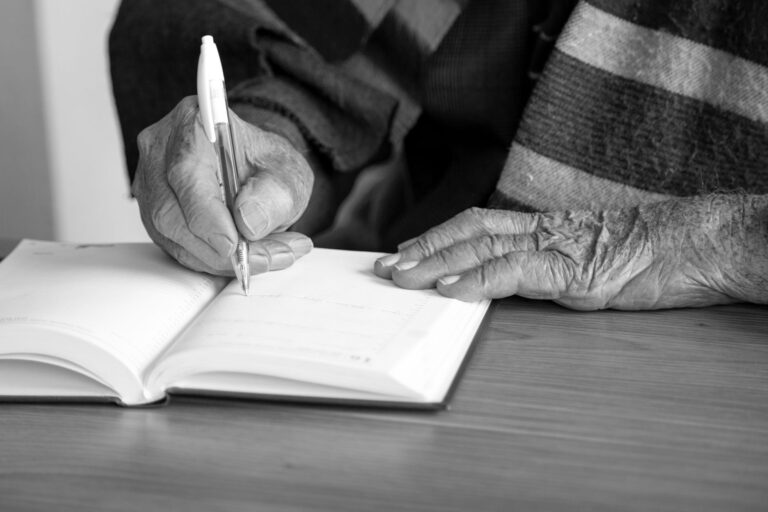
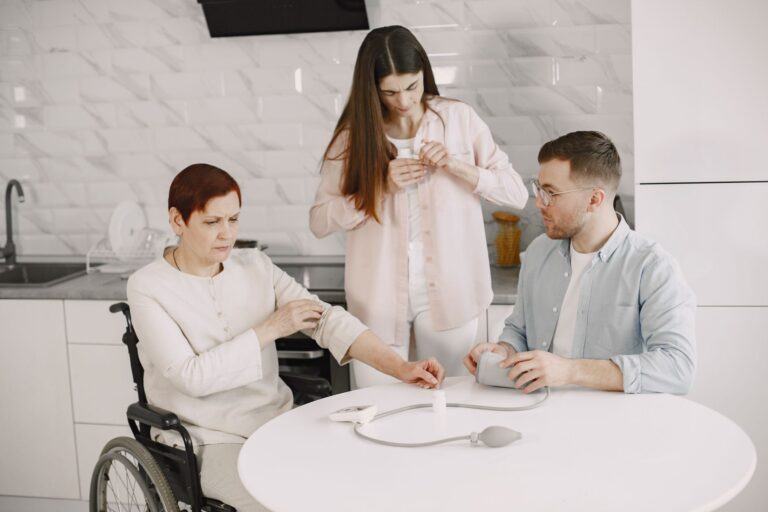
The September 2026 study found adults with mild cognitive impairment (MCI), an early stage of memory and thinking change, showed impaired finger-force coordination during grasping. They shared force less effectively across fingers and held force less steadily across trials than healthy controls. The work matters because hand control reflects brain function, not just muscle power. The MCI group also made larger force-targeting errors and showed poorer functional hand performance, which links prehension control to cognitive status.
Medical information disclaimer: This article is for general educational purposes only and does not provide medical advice, diagnosis, or treatment. Always consult a physician or other qualified health professional about symptoms, medications, tests, or treatment decisions.
Table of Contents
- What did the grasp study measure?
- Why does coordination slip before strength?
- Can grip testing help spot early change?
- What should families do next?
What did the grasp study measure?
Researchers tested how fingers work together during grasping, not just how hard a person can squeeze. According to Nature Scientific Reports, the MCI group showed less effective force sharing and reduced stability across trials than controls in the September grasp study. The same study found greater force-targeting errors and poorer functional hand performance in the MCI group.
Those gaps appeared during controlled grasp tasks that require steady adjustment. They point to a breakdown in skilled hand use tied to cognitive status. For readers, the key shift is from strength to control. A firm squeeze can look normal while finger coordination during everyday grasping starts to slip.
Why does coordination slip before strength?
Individual finger force can stay variable and adaptable while teamwork across digits breaks down. Nature Scientific Reports reports the coordination deficit occurred despite preserved variability in single-finger forces in the September grasp study. That pattern means the problem is organization across digits, not loss of single-digit control.
Grasping blends sensory input, motor planning, and multi-digit force production. Early neurodegeneration may disrupt that integration before it reduces maximum strength. This helps explain why maximal grip alone may miss early MCI. A person can still produce force but cannot distribute and stabilize it well across fingers.
Can grip testing help spot early change?
The September findings fit a wider screening interest in hand function and brain health. A separate Su et al. systematic review on handgrip-strength asymmetry and cognitive impairment was published the same day, 16 September 2026. An Applied Sciences review published 8 September 2026 concluded that handgrip assessment may offer a simple, noninvasive approach for early screening of Alzheimer-related functional changes in the handgrip screening review.
MCI affects a large older-adult group at risk for dementia. Brief grip or finger-coordination checks would not diagnose MCI by themselves. They could flag a person for formal cognitive evaluation and earlier support. The limit is direct: these findings show association and marker potential, not causation. Coordination tests add context to memory concerns, but they do not replace cognitive testing.
What should families do next?
Watch hand function alongside memory in daily life. Notice drops, spills, trouble buttoning clothes, messy handwriting, or difficulty holding a cup steady.
These signs alone do not prove MCI, but new changes deserve medical attention. Brief clinic grip or coordination tests can start that conversation. Early evaluation creates more time to plan care, address reversible factors, and discuss support services.
- Note when hand clumsiness started and what tasks it affects
- Bring a short list of memory changes to the visit
- Ask whether a formal cognitive evaluation fits
- Ask what treatable causes, medicines, vision, sleep, or mood issues need review