A swallowing assessment for Parkinson's disease dementia tests how safely food, liquids, and pills move from mouth to stomach. Bring two or three recent examples from meals and from medicines to make the visit useful.
Parkinson's disease dementia means Parkinson's with added memory and thinking changes, and dysphagia means difficulty swallowing. A BMC Neurology meta-analysis found objective swallowing dysfunction in 82% of people with Parkinson's, affecting those with dementia about as often. Specific examples help because many people do not report problems unless asked.
Medical information disclaimer: This article is for general educational purposes only and does not provide medical advice, diagnosis, or treatment. Always consult a physician or other qualified health professional about symptoms, medications, tests, or treatment decisions.
Table of Contents
- Why does this assessment matter?
- What happens during the assessment?
- Which meal examples should you prepare?
- Which medicine examples should you prepare?
Why does this assessment matter?
Swallowing problems reduce quality of life and complicate eating, drinking, and taking pills. They also raise pneumonia risk when food, liquid, or pill pieces enter the airway. A Medscape report on late-stage Parkinson's mortality states aspiration pneumonia accounts for about 34% of deaths in late-stage disease.
That risk makes early referral practical rather than alarming. UK NICE guidance says adults with Parkinson's who have swallowing or saliva problems should see speech and language therapy for specialist assessment and advice. A referral does not mean tube feeding. It usually means texture advice, swallowing strategies, and medicine review.
What happens during the assessment?
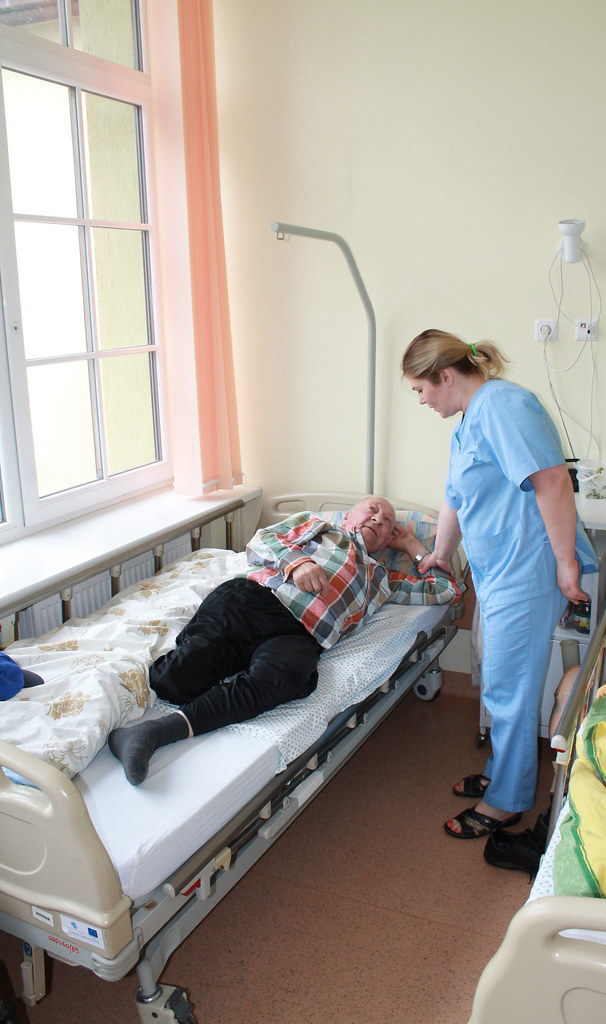
The therapist will ask about recent meals, drinks, pills, weight change, chest infections, and choking events. Bring dentures, a current pill list, and notes on problem foods. Clear notes shorten testing and improve advice.
Some people have videofluoroscopy, an X-ray video of swallowing different consistencies. A University Hospitals Coventry and Warwickshire patient leaflet explains speech therapists work with a radiographer and mix foods and drinks with orange-flavoured contrast for the images. The test shows where material sticks, pools, or enters the airway.
Which meal examples should you prepare?
Write down what happened, when it happened, and which texture caused it. Short notes from the past two weeks work well.
Add one complete example per issue. Note porridge that needed three throat clears, minced beef that stuck, or thin tea that caused coughing. State portion size, posture, and whether a reminder to swallow twice helped.
- meals taking much longer than usual, or tiring before finishing
- coughing, throat clearing, wet or gurgling voice during or after swallowing
- drooling, food pocketing in cheeks, or food feeling stuck
- choking events, with food type and amount noted
- weight loss, avoided foods, extra sauces or drinks needed to wash food down
Which medicine examples should you prepare?
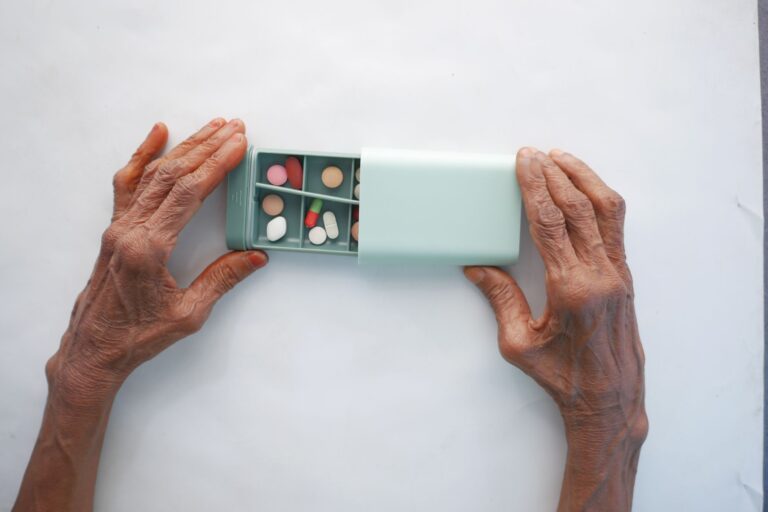
Pill swallowing can differ from food or liquid swallowing. About half of Parkinson's patients with pill problems have no liquid problem, so pills need separate testing. Track each medicine by name, size, and behavior.
Do not crush or chew extended-release carbidopa/levodopa. Bring the exact bottles and ask the pharmacist about sprinkle, orally-disintegrating, liquid, patch, or other forms. Ask what can be safely altered and what must stay whole.
- pills that stick, dissolve slowly, or need several swallows
- coughing, gagging, or vomiting with pills but not with water
- missed or late doses because pills feel unsafe
- tricks already tried, such as head position, applesauce, or splitting doses