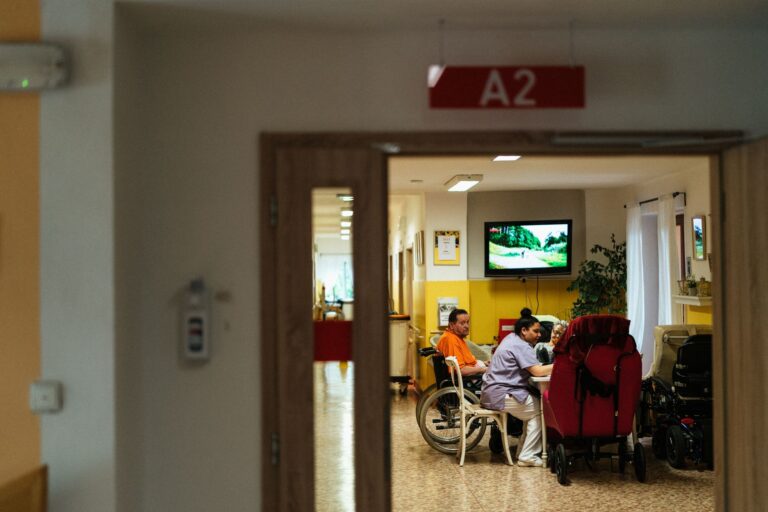
A dementia diagnosis at 45 means young-onset dementia, which Alzheimer's Disease International defines as symptoms beginning before age 65 younger dementia information. It is not late-onset disease occurring early; it reflects conditions that strike during working years and often look different. About 5% of all dementia begins before 65. NIH/PMC studies estimate 119 cases per 100,000 people worldwide, or about 3.9 million people living with onset before 65.
Medical information disclaimer: This article is for general educational purposes only and does not provide medical advice, diagnosis, or treatment. Always consult a physician or other qualified health professional about symptoms, medications, tests, or treatment decisions.
Table of Contents
- How common is dementia at 45?
- Which conditions cause it?
- Why do symptoms look different?
- What should families plan now?
- What is the outlook?
How common is dementia at 45?
A diagnosis at 45 falls squarely inside young-onset dementia. It is uncommon compared with dementia after 65, but it is a recognized group with distinct causes and needs.
The small share does not make the effect small. Onset during earning and parenting years brings job loss, income loss, and heavy family care demands.
Which conditions cause it?
A 2021 NIH/PMC review finds Alzheimer's disease is the major cause of young-onset dementia, followed by vascular dementia and frontotemporal dementia review of young-onset causes. Atypical syndromes without early memory loss are enriched in patients under 65.
Inherited risk is stronger at younger ages. Mutations in APP, PSEN1 and PSEN2 cause dominantly inherited early-onset Alzheimer's, while MAPT and related genes cause familial frontotemporal dementia, according to a University of Oulu thesis summary.
Why do symptoms look different?
Young-onset Alzheimer's often starts with language, vision, executive-function, or behavioral changes rather than typical memory loss. A person may struggle to find words, follow steps, judge space, or control mood.
Mayo Clinic Press reports these atypical starts mean clinicians may not suspect dementia, so diagnosis and treatment take longer Mayo Clinic Press on younger-years Alzheimer's. Families should seek prompt specialist evaluation when work performance, language, vision, or behavior shifts without a clear cause.
What should families plan now?
Because onset hits working and parenting years, affected people commonly need work changes and family care. Guidance from the Alzheimer's Association and the National Institute on Aging urges early medical plus legal and financial planning.
- Get specialist evaluation and a written care plan
- Review work leave, disability, health insurance, and income options
- Complete legal, financial, and advance-care documents early
- Line up child care, home help, and backup caregivers
What is the outlook?
Average survival is about 8.9 years after early-onset diagnosis and 9.9 years for Alzheimer's-type, reports Medical News Today. Survival is shorter for frontotemporal and alpha-synuclein dementias, and pneumonia and cardiovascular events are common immediate causes of death.
Most Alzheimer's research excludes early-onset patients, so estimates come from smaller cohorts. There is no cure; care centers on symptom management, daily accommodations, and support groups for younger families. Ask the clinic for referral to a younger-family support group.