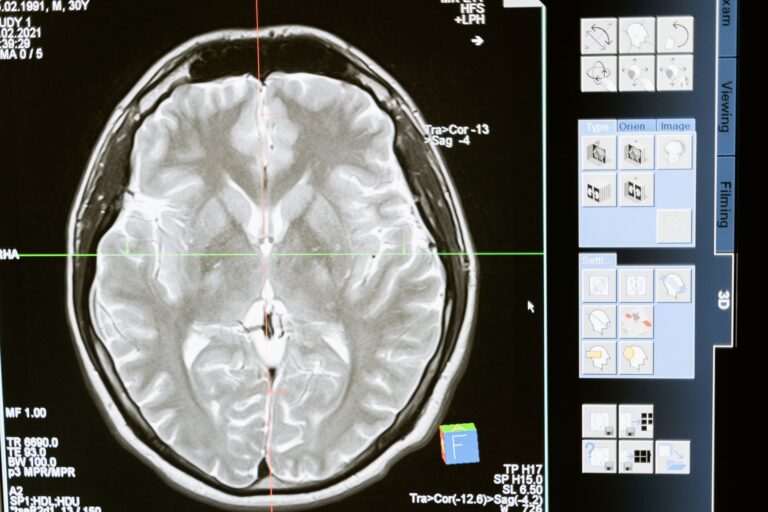
Namenda, the brand name for memantine, regulates certain brain signals involved in Alzheimer's symptoms. It treats moderate-to-severe dementia of the Alzheimer's type, not dementia generally. Namenda may help preserve cognition and daily function longer than no treatment, but it does not stop the underlying disease. The FDA prescribing information states that memantine has not been shown to prevent or slow neurodegeneration.
Medical information disclaimer: This article is for general educational purposes only and does not provide medical advice, diagnosis, or treatment. Always consult a physician or other qualified health professional about symptoms, medications, tests, or treatment decisions.
Table of Contents
- What Namenda does in the brain
- What benefit can families expect?
- Who is Namenda intended for?
- How dosing is increased
- What should caregivers monitor?
What Namenda does in the brain
Glutamate is a chemical messenger that activates NMDA receptors, which help transmit signals between brain cells. Persistent NMDA receptor activation is hypothesized to contribute to Alzheimer's symptoms. memantine enters activated NMDA receptor channels and limits some of their activity.
The FDA describes memantine as a low-to-moderate-affinity, uncompetitive open-channel NMDA antagonist. This targeted action explains why Namenda can affect symptoms without repairing damaged brain cells. Its role is symptom management rather than disease modification.
What benefit can families expect?
The clearest expectation is less decline compared with placebo, not a reversal of Alzheimer's disease. In FDA-reviewed trials, both treatment and placebo groups generally worsened, but patients taking memantine performed statistically better. In one 28-week study of 252 people, memantine produced a 3.4-point advantage in daily-living function and a 5.7-point advantage on the Severe Impairment Battery, a cognition measure.
These FDA-reviewed findings show a measurable group benefit, but they do not guarantee the same response for every person. For caregivers, the meaningful question is whether cognition or everyday abilities appear more stable over time. Because decline may continue, ongoing worsening does not automatically mean the medicine has provided no benefit.
Who is Namenda intended for?
Namenda's FDA indication is specifically moderate-to-severe dementia of the Alzheimer's type. A diagnosis described only as "dementia" does not establish that Namenda fits, because dementia can have different causes. Memantine can also be used while a patient continues donepezil.
In a 24-week trial of 404 patients already taking stable donepezil, adding memantine produced better cognition and daily function than donepezil alone, according to the FDA prescribing information. before treatment, clarify the diagnosis, its severity, and whether donepezil will continue. These details determine how closely the treatment plan matches the evidence.
How dosing is increased
The usual starting dose is 5 mg once daily. The dose then rises by 5 mg at intervals of at least one week until reaching the recommended target of 10 mg twice daily.
A typical progression is: For severe renal impairment, the recommended target is lower: 5 mg twice daily. Caregivers should follow the prescribed schedule rather than advancing the dose early.
- 5 mg once daily
- 5 mg twice daily
- 5 mg in the morning and 10 mg later
- 10 mg twice daily
What should caregivers monitor?
The most common adverse reactions reported in at least 5% of patients—and more often than with placebo—were dizziness, headache, confusion, and constipation. Monitoring matters during dose increases because new symptoms can overlap with problems already associated with dementia.
Keep a simple record of the dose, when it changed, and any new symptoms. Contact the prescribing clinician if dizziness, confusion, headaches, or constipation emerge or worsen during titration.