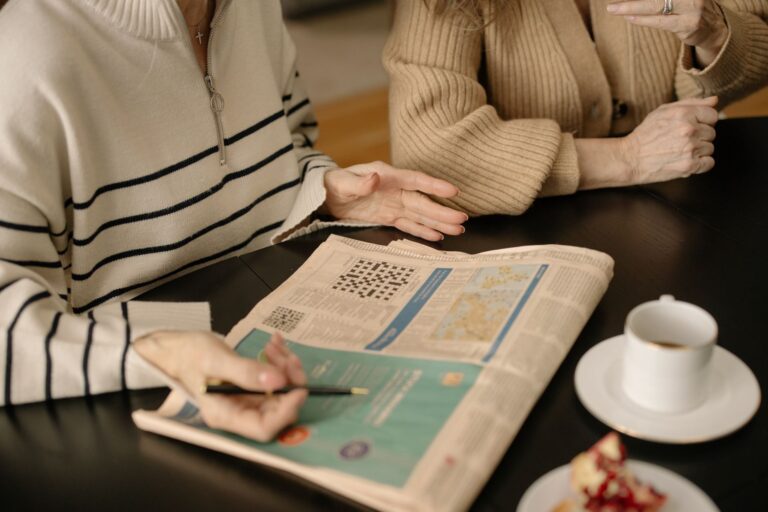
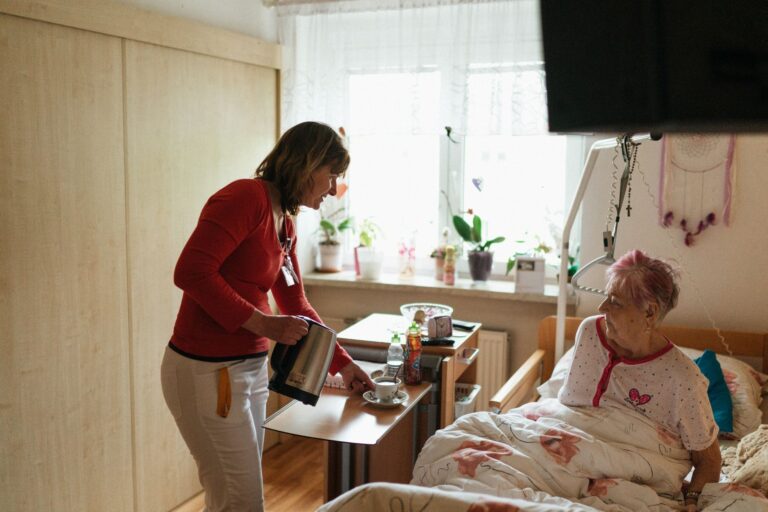
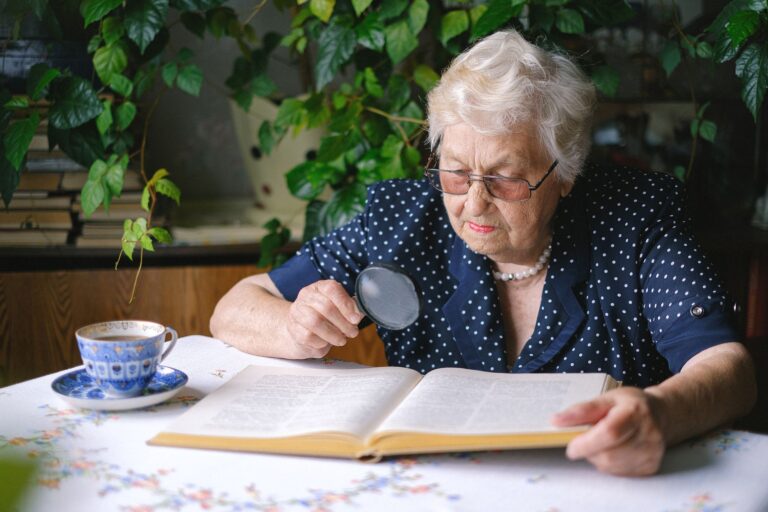
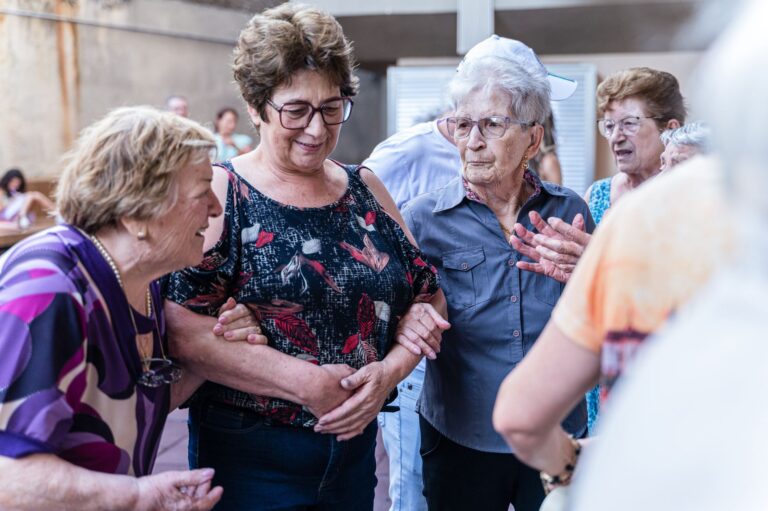
A memory box for dementia is a collection of familiar photos, keepsakes, scents, music, or objects used to prompt reminiscence and connection—not test recall. In early dementia, build it together; in the middle stage, offer one prompt at a time; in the later stage, emphasize simple, safe sensory experiences. The contents and approach should follow the person's abilities, interests, and reactions rather than a rigid stage label. A memory box is an adaptable activity, not a standardized treatment.
Medical information disclaimer: This article is for general educational purposes only and does not provide medical advice, diagnosis, or treatment. Always consult a physician or other qualified health professional about symptoms, medications, tests, or treatment decisions.
Table of Contents
- What belongs in a memory box?
- Early stage—build the box together
- Middle stage—simplify the interaction
- Later stage—focus on sensory comfort
- Make the box safe and useful
What belongs in a memory box?
Choose items that carry personal meaning without requiring the person to remember a specific fact. The Alzheimer's Association describes photos, familiar objects, music, and scents as reminiscence prompts that may evoke older memories and support connection on its reminiscence guidance page.
Possible contents include: Treat every item as an invitation. "What do you notice?" or "Would you like to hold this?" puts less pressure on the person than "Do you remember who this is?".
- Copies of family, pet, holiday, or workplace photos
- A familiar household or hobby item
- Fabric with a recognizable texture
- Recorded music associated with an earlier period
- A safe container holding a familiar scent
Early stage—build the box together
Invite the person to select, arrange, and label the contents. Participation preserves choice and draws on retained strengths, interests, and preferences—the qualities that make activities enjoyable rather than reminders of loss. Add brief, useful context to photographs.
A label such as "Rosa, your sister—we visited the lake together" may help when a face feels familiar but the name or relationship is hard to retrieve. The Alzheimer's Society recommends labels and short relationship information as practical memory support in its guidance on memory loss. Use the box however the person prefers: browsing alone, showing it to a visitor, or adding an item after a meaningful event. Avoid turning each session into a quiz or insisting that the person explain every object.
Middle stage—simplify the interaction
As planning and completing tasks become harder, reduce the number of choices. Present one object or photograph at a time, model what to do, and use a short direction such as "Hold this" or "Look at this picture." A simple sequence may work well: Watch attention and mood more closely than task completion.
If the person becomes distracted, tense, or frustrated, shorten the activity, change the prompt, or stop. Do not force participation or correct a harmless response.
- Sit beside the person in a quiet setting.
- Offer one item within easy reach.
- Make a neutral observation about it.
- Allow time for words, gestures, or silence.
- Put the item away before introducing another.
Later stage—focus on sensory comfort
Shift away from detailed biography and extended conversation. Offer safe objects to handle, a familiar piece of music, a large photograph, a soft texture, or a gentle scent. NHS guidance notes that people can continue participating in simplified activities even as memory, speech, mobility, and concentration decline in its overview of activities for dementia. Look for small signs of engagement: a relaxed expression, eye movement, a sound, a change in breathing, reaching toward an object, or moving with music.
These responses matter even when the person cannot name an item or describe its history. Keep sessions brief and low-pressure. If an object seems upsetting, remove it without demanding an explanation. A once-loved item may no longer feel familiar or comforting.
Make the box safe and useful
Review the contents as abilities and behavior change. Remove sharp, breakable, toxic, valuable, or easily misplaced items. The National Institute on Aging recommends creating a dedicated safe box or basket when someone likes rummaging or sorting in its safety advice for caregivers. Also exclude medications, small items that could be swallowed, irreplaceable originals, and anything that creates distress.
Use copies of treasured photographs and documents when loss or damage would matter. Expect results to vary. A Cochrane review of 22 reminiscence-therapy trials, mostly involving mild or moderate dementia, found generally small and inconsistent benefits across settings and formats. Continue the activity when it brings comfort, interest, or connection; modify or stop it when those responses disappear.