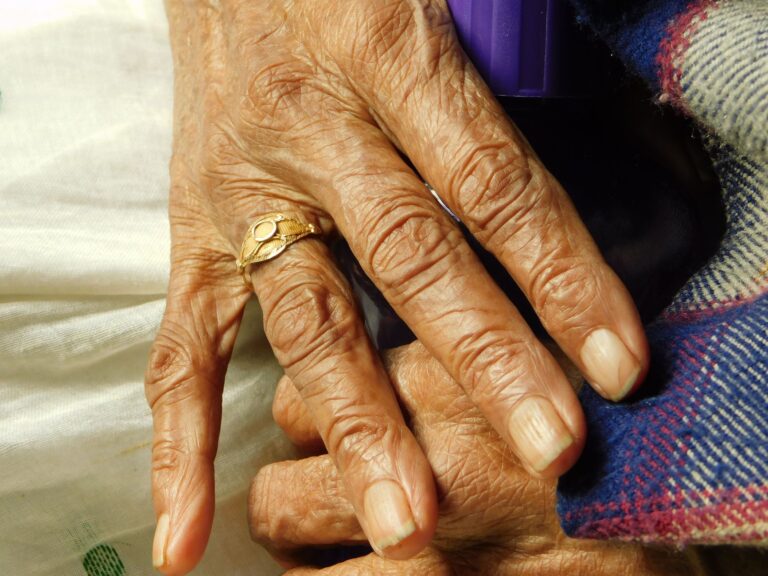
High blood pressure is associated with a higher risk of dementia, especially when elevated systolic pressure begins in midlife or remains untreated. However, trials have not proved that intensive blood-pressure lowering prevents dementia itself. Systolic pressure is the top number in a blood-pressure reading. The evidence supports treating hypertension for cardiovascular health, with possible cognitive benefits, but not as a guaranteed dementia-prevention strategy.
Medical information disclaimer: This article is for general educational purposes only and does not provide medical advice, diagnosis, or treatment. Always consult a physician or other qualified health professional about symptoms, medications, tests, or treatment decisions.
Table of Contents
- Why midlife blood pressure matters
- Does treatment change the observed risk?
- What randomized trials actually found
- How to use this evidence
Why midlife blood pressure matters
Long-term studies consistently connect midlife hypertension with dementia diagnosed years later. The risk appears to rise as systolic pressure increases. A 2019 seven-study meta-analysis found that midlife systolic pressure above 140 mm Hg was associated with an 18% higher later Alzheimer's disease risk.
Pressure above 160 mm Hg was associated with a 25% increase, according to the Journal of Alzheimer's Disease analysis. Timing and persistence may matter as much as a single reading. In the Framingham Offspring cohort, midlife systolic hypertension predicted 57% higher incident-dementia risk. Hypertension continuing from midlife into late life predicted 96% higher risk.
Does treatment change the observed risk?
Evidence from older adults suggests that untreated hypertension carries more dementia risk than treated hypertension. A 2023 analysis of 17 longitudinal cohorts examined adults over 60. Untreated hypertension was associated with 42% higher dementia risk than healthy blood pressure and 26% higher risk than treated hypertension.
Treated hypertension was not associated with significantly greater risk than healthy blood pressure in the JAMA Network Open meta-analysis. That comparison is encouraging but cannot prove treatment caused the difference. Participants were not randomly assigned to receive treatment, so health, access to care, and disease severity may also have influenced their outcomes.
What randomized trials actually found
SPRINT MIND provides stronger evidence because it randomly assigned 9,361 adults aged 50 or older with hypertension and elevated cardiovascular risk. One group targeted systolic pressure below 120 mm Hg; the other targeted below 140 mm Hg. Intensive treatment reduced mild cognitive impairment, often shortened to MCI, with a hazard ratio of 0.81.
It also reduced the combined outcome of MCI or probable dementia, with a hazard ratio of 0.85. But probable dementia alone did not decline by a statistically significant amount. The hazard ratio was 0.83, with a 95% confidence interval from 0.67 to 1.04, so the JAMA trial did not prove that intensive treatment prevents dementia.
How to use this evidence
The practical message is not "lower blood pressure as far as possible." It is to manage hypertension through individualized cardiovascular care while recognizing a possible brain-health benefit. The World Health Organization recommends hypertension management as a dementia-risk-reduction measure.
However, its 2019 guideline rated the dementia-specific evidence very low and made the recommendation conditional in its risk-reduction guidance. If you have high blood pressure or care for someone who does, useful next steps include:.
- Ask a clinician what systolic target fits the person's overall health and cardiovascular risk.
- Discuss whether current treatment is reaching that target.
- Do not intensify, reduce, or stop medication solely because of dementia concerns.
- Treat improved cognitive odds as a potential benefit, not a promised outcome.