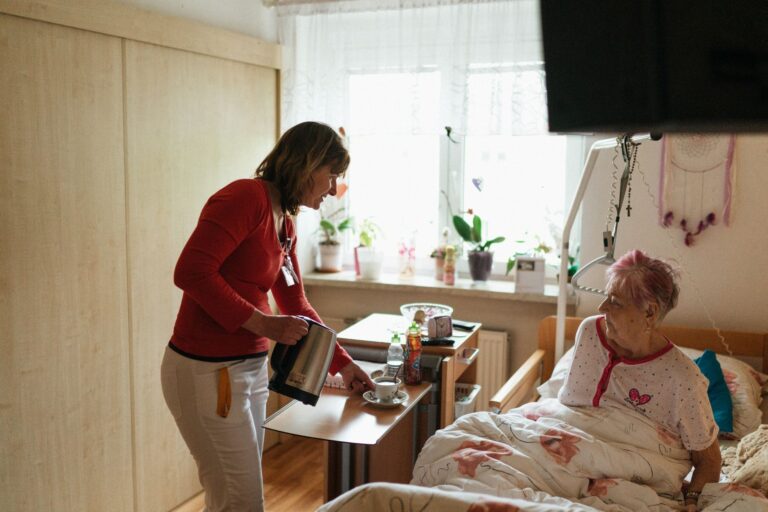
Live-in dementia care provides 24/7 care in a person's home with rotating staff, but it is costly and requires careful vetting to prevent abuse and neglect. The average cost runs $25,000–$25,500 monthly, typically requiring three caregivers to maintain continuous alert supervision, and all staff must meet specific training, background-check, and certification standards. Dementia makes people especially vulnerable: research detects caregiver-inflicted abuse or neglect in 47.3% of surveyed caregiving relationships, and many incidents go unreported because dementia prevents recognition or disclosure of harm. This checklist covers costs, staffing rules, safety mandates, and warning signs to help you hire safely and monitor care.
Medical information disclaimer: This article is for general educational purposes only and does not provide medical advice, diagnosis, or treatment. Always consult a physician or other qualified health professional about symptoms, medications, tests, or treatment decisions.
Table of Contents
- What Live-In Dementia Care Costs
- Staffing Requirements and Training
- The 24/7 Supervision Mandate
- Red Flags for Abuse and Neglect
- How to Protect Against Hired-Care Risks
- When to Consider Alternatives
- Frequently Asked Questions
What Live-In Dementia Care Costs
Live-in (24/7) dementia care costs average $25,000–$25,500 monthly at prevailing 2026 rates of $34–$35 per hour for 168 hours per week. The high cost reflects that continuous supervision requires three rotating caregivers to cover shifts and ensure someone is always awake and alert. By comparison, facility-based memory care costs far less at a median $6,450–$8,019 monthly, though it restricts privacy and independence.
Live-in care includes daily assistance with toileting, bathing, dressing, medication management, meals, and mobility—tasks that one person cannot safely perform alone over 24 hours. Many families choose it to keep a person in their own home, especially in early and middle stages of dementia. Costs vary by region, caregiver experience, and local labor rates; urban areas and states with higher minimum wages cost more.
Staffing Requirements and Training
All dementia care staff must meet legal training standards. Caregivers must complete at least 8 hours of initial dementia-specific training and 2 hours of mental illness and de-escalation training within 160 working hours of hire, plus ongoing annual training of 2+ dementia hours and 1+ mental illness hour, per regulations requiring specialized knowledge of Alzheimer's disease behaviors and crisis response. These hours must be documented and current; ask your agency to show proof.
Before hire, caregivers must pass criminal background checks including fingerprinting, state and federal criminal history, and OIG (Office of Inspector General) exclusion-list screening (costs $50–$100), and maintain BLS (Basic Life Support) and First Aid certification to handle cardiac and breathing emergencies. Verify these credentials directly with the agency or caregiver, not just by taking their word. BLS and First Aid certs expire; ask for renewal dates.
The 24/7 Supervision Mandate
Secured dementia care units must maintain an awake person physically present 24/7 to prevent wandering, medication errors, and falls—a staffing mandate reflecting that unsupervised persons with dementia face higher injury and safety risks. This means at least one caregiver must be conscious and available every moment, not sleeping or off-site. If you hire privately (not through an agency), you are responsible for maintaining this coverage yourself; a single caregiver who sleeps or takes breaks leaves the person unattended and unsafe.
The three-caregiver minimum assumes overlapping shifts: two caregivers may work 12-hour days while a third covers nights, or all three may work 8-hour stints. Each caregiver needs at least one day off per week, making rotation essential. Verify your staffing plan meets this standard before the person enters care.
Red Flags for Abuse and Neglect
Red flags for physical abuse and neglect include unexplained fractures, bruises, or burns; signs of poor hygiene; inadequate food or medication; untreated pressure sores; and behavioral changes like anxiety around specific staff, flinching, or resisting care from particular caregivers. Check skin regularly during bathing and dressing, and ask the person directly if they are afraid of any caregiver, even if they cannot always remember the answer.
Psychological and financial abuse red flags include caregiver isolation of the person, verbal demeaning, unexplained credit card charges or purchases inconsistent with spending patterns, and medication overuse for sedation. Monitor who visits and calls, review financial statements monthly for unfamiliar activity, and ask a pharmacist to review medication doses—excessive sedation can mask neglect or be used to silence the person. Trust your instinct; if a caregiver makes you uncomfortable, change them immediately.
How to Protect Against Hired-Care Risks
Hire through a licensed home-care agency whenever possible; they handle background checks, training verification, payroll, and liability insurance. If you hire privately, verify credentials yourself and use a home-care payroll service (ADP, Care.com, or similar) to document wages and taxes legally. Record cameras in common areas—not bathrooms—and review footage weekly for signs of rough handling, neglect, or unexplained injuries. Schedule unannounced visits at different times of day and times the caregiver does not expect.
Call home randomly to speak with both the person and the caregiver. Ask a trusted friend or family member to visit weekly as a second set of eyes. If the person uses adult day care or has regular medical appointments, staff there may spot signs you miss. Never ignore a sudden change in behavior, appearance, or attitude toward a caregiver.
When to Consider Alternatives
Live-in care is not always the safest or best option. If the person has advanced dementia and requires constant physical intervention (toileting, transfers, feeding), one awake caregiver may not be enough; a facility with multiple staff on each shift may provide better supervision. If family finances cannot sustain $25,000+ monthly for many years, the person may deplete savings and lose ability to pay, forcing a crisis move later.
If the home has multiple floors, narrow hallways, or unsafe features, home care becomes riskier; a facility with locked units and safety design prevents wandering. Speak with the person's doctor and a geriatric care manager about the best setting for their stage of dementia. A combination—part-time live-in care plus day programs, or a memory-care facility with family involvement—may work better than full home care alone.
Frequently Asked Questions
Can I hire one caregiver for live-in care?
No. One person cannot safely provide 24/7 alert supervision; you need at least three rotating caregivers so each works roughly 8-hour shifts and has time off. A single caregiver who sleeps or takes breaks leaves the person at risk of falls, wandering, and medication errors.
What should I check before hiring a caregiver?
Verify criminal background check results, BLS and First Aid certifications (with expiration dates), proof of dementia and mental illness training within the past year, references from prior employers, and employment through a licensed agency or legal payroll service. Ask the agency or caregiver to show you the documents; do not assume they exist.
How often should I check on the person and caregiver?
Visit unannounced at different times—some days early morning, some evenings, some randomly. Call to speak with the person directly, review finances monthly, and use a camera in common areas. Ask trusted visitors to stop by weekly. Any sudden change in behavior, appearance, or mood toward a caregiver warrants immediate investigation.
What if I notice a red flag?
Remove the caregiver immediately if you suspect abuse or neglect. Report the incident to local adult protective services, law enforcement (if physical harm), or both. Do not confront the caregiver alone or delay reporting hoping the problem resolves.