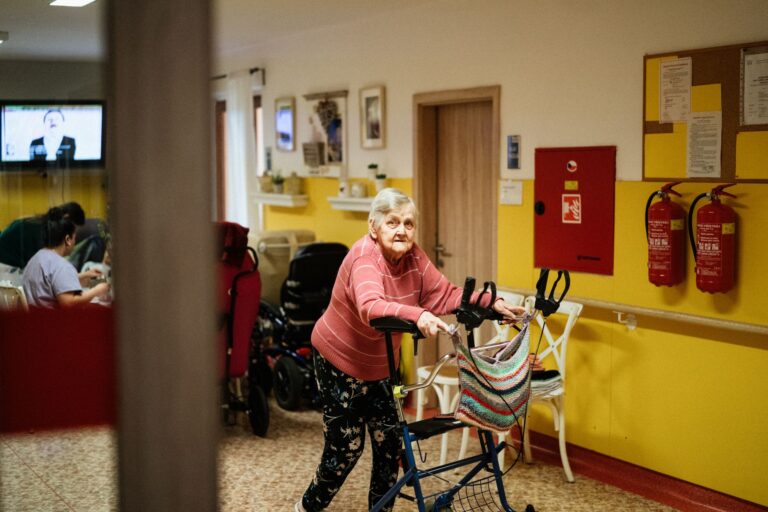
Sundowning—increased agitation, confusion, and wandering in late afternoon or evening—demands fundamentally different management approaches as dementia progresses, because the underlying severity of brain degeneration determines what interventions can still work. Early-stage dementia allows behavioral structuring and environmental changes to prevent sundowning, while moderate stages require combined behavioral training and specialized light therapy, and severe stages shift focus to ruling out treatable medical causes because cognitive reserves have nearly vanished. The prevalence and urgency of sundowning increase sharply with dementia severity. Sundowning affects 10–25% of people in early-stage dementia, 30–50% in moderate stage, and 60–85% in severe stage, according to the Alzheimer's Association, making stage-specific planning essential for caregivers.
Medical information disclaimer: This article is for general educational purposes only and does not provide medical advice, diagnosis, or treatment. Always consult a physician or other qualified health professional about symptoms, medications, tests, or treatment decisions.
Table of Contents
- Early-Stage Sundowning—Prevention Through Structure
- Moderate-Stage Sundowning—Behavioral Training Meets Circadian Light Therapy
- Severe-Stage Sundowning—Delirium Detection Becomes Priority
- Medication Risk and Stage-Dependent Choices
- Why Multidisciplinary Care Matters at Diagnosis
- Frequently Asked Questions
Early-Stage Sundowning—Prevention Through Structure
In early-stage dementia, when cognitive compensation remains relatively intact, sundowning is best prevented before it starts. Environmental consistency, daytime light exposure, and activity scheduling are the first-line interventions, because behavioral approaches are most effective when the person can still process environmental cues and respond to routine, according to Mayo Clinic.
The goal at this stage is not treatment but prevention—establishing habits and structures that prevent late-day confusion from developing. Practical steps for early stage include maintaining a regular schedule for meals, outings, and bedtime; maximizing bright daylight exposure in the morning and midday; and planning engaging activities for late afternoon when alertness typically dips. Medication is rarely needed and should be avoided, since behavioral strategies remain highly effective and medication introduces unnecessary side effects at a stage when the person may still be driving, managing finances, or living independently.
Moderate-Stage Sundowning—Behavioral Training Meets Circadian Light Therapy
When dementia reaches moderate severity, sundowning becomes more frequent and distressing, requiring a dual approach: caregiver-delivered behavioral intervention combined with specialized bright light therapy. First-line treatment involves Behavior Management Training and Communication Skills Training paired with high-intensity lighting during daytime hours to support the disrupted circadian rhythms that cause confusion at dusk, with medication added only when behavioral approaches alone fail, according to NIH research. The neurobiological driver—degeneration of the suprachiasmatic nucleus, the brain's internal clock—can now be partially compensated by external cues.
The behavioral component is intensive and requires caregiver education. Training focuses on the "ABCs"—identifying Antecedents (what precedes the behavior), understanding the Behavior itself, and tracking Consequences (what follows). This approach reduces behavioral disturbances and depression more effectively than medication alone, but demands that caregivers learn new communication techniques and spend time analyzing what triggers late-day agitation. Light therapy must deliver high circadian stimulus through intensity and blue wavelength content during daytime while minimizing short-wavelength light at night—standard room lighting is insufficient and produces weaker results than targeted interventions.
Severe-Stage Sundowning—Delirium Detection Becomes Priority
In severe dementia, sundowning is no longer a simple behavioral problem but a symptom that may mask treatable delirium superimposed on dementia (DSD)—delirium layered on top of existing cognitive loss. Severe-stage management must prioritize screening for reversible medical causes such as infections, pain, and medication side effects rather than assuming primary sundowning and escalating antipsychotic medication, because behavioral disturbances in this stage often signal underlying medical crises, according to NIH literature. An infection, uncontrolled pain, or constipation may trigger acute late-day agitation that looks like sundowning but requires urgent medical intervention.
At this stage, circadian-targeted interventions become progressively less effective because severe neurobiological damage has made the brain's clock largely unresponsive to light cues. Palliative comfort care—pain management, warmth, familiar sounds, and the presence of trusted caregivers—replaces the hope of correcting underlying rhythm dysfunction. The shift away from "fixing" sundowning toward managing comfort is not defeat but a recognition of changed physiology.
Medication Risk and Stage-Dependent Choices
The choice of medication, if any, changes dramatically across stages due to shifting risk-benefit calculus. In moderate dementia, melatonin or melatonin-receptor agonists like ramelteon are preferred first-line pharmacological options, while atypical antipsychotics are reserved for refractory cases due to serious adverse effects including stroke, pneumonia, and increased mortality risk in elderly dementia patients, according to NIH guidance. Early-stage dementia rarely requires medication at all.
In severe dementia, the risk profile inverts entirely. Antipsychotics carry substantial mortality and stroke risk in this population, making their use appropriate only in narrow circumstances where behavioral disturbance genuinely threatens safety and all medical causes have been ruled out. Many clinicians and families find that switching to comfort-focused goals—rather than fighting agitation with medication—produces better quality of life and fewer complications in final stages.
Why Multidisciplinary Care Matters at Diagnosis
Early detection of sundowning in mild dementia allows preventive behavioral structuring and caregiver preparation, while moderate and severe stages require involvement of physicians, nurses, therapists, and nutritionists to distinguish sundowning from delirium and manage complex medical interactions, according to the Alzheimer's Association. A single clinician—whether a primary care doctor or memory-care specialist—cannot manage the overlapping needs alone.
Caregivers should request a formal multidisciplinary assessment when sundowning emerges, which typically happens during the moderate stage. This assessment clarifies the dementia stage, rules out specific treatable causes, and guides whether the plan should emphasize caregiver training, light therapy, medication, or investigation of medical comorbidities. Early coordination prevents the reactive crisis cycles common in later stages.
Frequently Asked Questions
Can light therapy alone stop sundowning in moderate dementia?
No. Light therapy addresses circadian disruption but does not eliminate triggers rooted in confusion, pain, or environmental stress. Combining bright light exposure with behavioral intervention training produces better outcomes than either approach alone.
Should I pursue medication immediately when sundowning starts?
No. Medication is a later step. Behavioral approaches and light therapy should be optimized first, especially in early and moderate stages. Medication is most appropriate in moderate dementia when behavioral measures have failed or in severe dementia when medical causes have been ruled out.
Can severe-stage sundowning be cured?
Not cured, but managed. The goal shifts from eliminating agitation to reducing its intensity, ensuring comfort, and identifying any treatable medical crisis driving acute worsening. Focus on quality of life rather than symptom elimination.