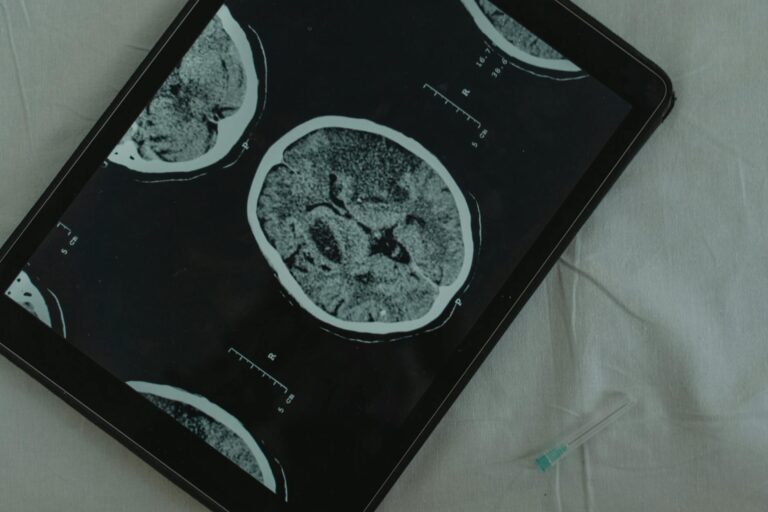
The Impact of Chronic Pain on Dementia Progression
Dementia is a complex condition characterized by a decline in cognitive abilities, affecting memory, communication, and daily functioning. It is not a single disease but rather a term that describes a group of symptoms resulting from various brain changes. Among the factors that can influence dementia progression, chronic pain has emerged as a significant concern. Understanding how chronic pain impacts dementia is crucial for developing effective management strategies.
### Chronic Pain and Its Effects
Chronic pain is persistent pain that lasts for more than three months. It can result from various conditions, such as arthritis, fibromyalgia, or injuries. Chronic pain not only affects physical well-being but also has psychological implications, including increased stress, anxiety, and depression. These psychological factors can exacerbate cognitive decline in individuals with dementia.
### The Link Between Chronic Pain and Dementia
Research suggests that chronic pain may contribute to the progression of dementia through several mechanisms. Firstly, chronic pain can lead to increased stress levels, which may accelerate cognitive decline. Stress triggers the release of cortisol, a hormone that, when elevated over time, can negatively impact brain health. Secondly, chronic pain often results in reduced physical activity and social isolation, both of which are risk factors for cognitive impairment.
### Impact on Cognitive Function
Cognitive function encompasses various abilities, including memory, problem-solving, and communication. Chronic pain can impair these functions by distracting individuals from engaging in mentally stimulating activities and reducing their ability to focus. Additionally, the emotional distress associated with chronic pain can lead to depression, a condition known to worsen cognitive symptoms in dementia patients.
### Managing Chronic Pain in Dementia Patients
Effective management of chronic pain is essential to slow down dementia progression. Non-pharmacological approaches, such as physical therapy, cognitive training, and stress management techniques, are gaining attention due to their potential benefits without the side effects associated with long-term medication use. Furthermore, addressing psychological factors through counseling and support groups can help mitigate the impact of chronic pain on cognitive health.
### Conclusion
The relationship between chronic pain and dementia progression is complex and multifaceted. By understanding this link, healthcare providers can develop more comprehensive treatment plans that address both physical and psychological aspects of chronic pain. This holistic approach may help improve the quality of life for individuals with dementia and potentially slow the progression of the condition.