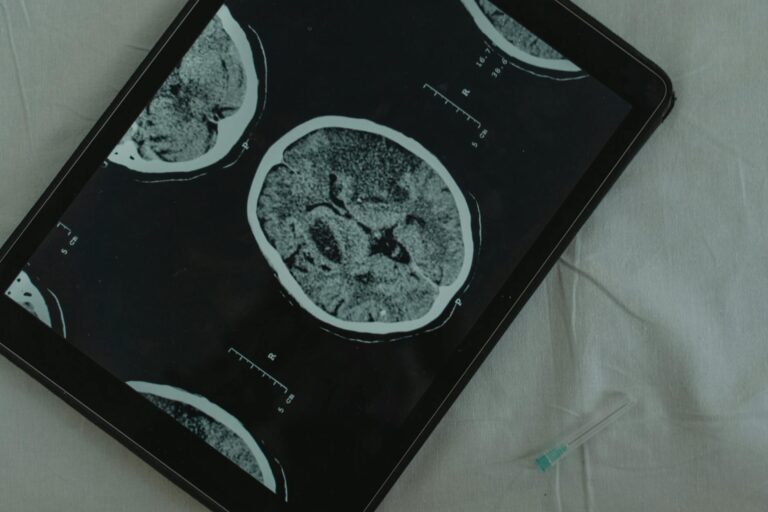
Exosome therapy is emerging as a promising approach in the treatment of dementia, a condition that affects millions worldwide. Dementia encompasses a range of cognitive disorders, with Alzheimer’s disease being the most common form. It involves the progressive loss of memory and cognitive functions, significantly impacting the quality of life for those affected.
### What are Exosomes?
Exosomes are tiny vesicles released by cells that can carry various molecules, including proteins and genetic material, between cells. They play a crucial role in intercellular communication and have been found to be involved in both healthy and diseased states. Their ability to cross biological barriers, such as the blood-brain barrier, makes them particularly interesting for delivering therapeutic agents directly to the brain.
### How Exosomes Can Help in Dementia Treatment
Exosomes have shown potential in treating neurodegenerative diseases like Alzheimer’s by delivering therapeutic cargos directly to the brain. For instance, exosomes enriched with specific microRNAs, such as miR-124-3p, have been found to have neuroprotective effects. These microRNAs can target genes involved in the synthesis of harmful proteins associated with Alzheimer’s disease, potentially reducing the progression of the disease.
In studies, exosomes derived from certain cell types, like mesenchymal stem cells, have been used to improve cognitive function and reduce amyloid-beta deposition in animal models of Alzheimer’s disease. This suggests that exosome therapy could not only slow down the progression of dementia but also potentially improve symptoms.
### The Role of Gut Microbiota
Interestingly, research has also highlighted a connection between gut microbiota, plasma exosomal microRNAs, and cognitive impairment in Alzheimer’s disease. Certain beneficial bacteria in the gut, such as *Faecalibacterium prausnitzii* and *Roseburia* species, have been found to be decreased in Alzheimer’s patients. These bacteria are positively correlated with specific exosomal microRNAs, suggesting that modulating gut microbiota could be another avenue for treating dementia.
### Future Prospects
While exosome therapy is still in its early stages, it offers a promising new direction for dementia treatment. The ability of exosomes to target specific areas of the brain and deliver therapeutic agents without causing significant side effects makes them an attractive option. As research continues to uncover the potential of exosomes in treating neurodegenerative diseases, there is hope that this approach could revolutionize the way we manage dementia in the future.
In summary, exosome therapy represents a novel and innovative approach to treating dementia. By leveraging the natural communication pathways between cells, exosomes can deliver targeted therapies directly to the brain, potentially offering new hope for those affected by this debilitating condition.