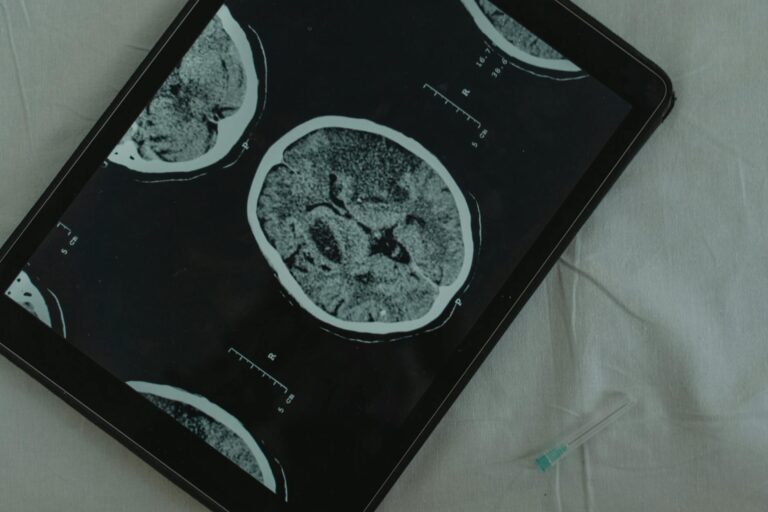
Probiotics, often referred to as “good bacteria,” have been gaining attention for their potential benefits beyond just digestive health. One of the most promising areas of research is their impact on cognitive function and how they might help slow cognitive decline.
### Understanding Probiotics
Probiotics are live microorganisms that, when administered in adequate amounts, confer health benefits. They are commonly found in fermented foods like yogurt, kefir, and sauerkraut, or can be taken as supplements. The most studied probiotic strains include Lactobacillus and Bifidobacterium, which have been shown to enhance gut health and potentially influence brain function.
### The Gut-Brain Connection
The gut and brain are connected through the gut-brain axis, a complex communication network that involves the nervous system, hormones, and the immune system. This connection allows the gut microbiota to influence mood, cognitive function, and even mental health conditions like depression and anxiety. Research suggests that an imbalance in gut bacteria, known as dysbiosis, can lead to cognitive impairments and may contribute to conditions such as Alzheimer’s disease.
### How Probiotics Help Cognitive Function
Studies have shown that probiotics can improve cognitive functions by modulating the gut microbiota, reducing inflammation, and producing neuroactive compounds. These effects can enhance learning and memory, potentially mitigating the impact of stress on cognitive resilience. For instance, probiotics have been found to prevent spatial learning impairments in stressed animals and boost learning abilities in enriched environments.
### Promising Research Findings
Recent research indicates that probiotics can have a positive impact on depression, anxiety, and cognitive function. Meta-analyses have revealed that probiotics are more effective than placebos in reducing symptoms of mild to moderate depression and anxiety. Additionally, probiotics have been shown to improve cognitive function in various conditions, including fibromyalgia and chronic fatigue syndrome.
### Limitations and Future Directions
While the evidence is promising, there are limitations to the current research. Many studies have methodological inconsistencies, and more randomized controlled trials are needed to fully understand the effects of probiotics on cognitive health. Furthermore, not all probiotics are created equal; their effectiveness depends on the specific strains used and the individual’s health status.
### Conclusion
Probiotics offer a promising avenue for supporting cognitive health by influencing the gut-brain axis. While more research is needed to fully understand their benefits, incorporating probiotics into a balanced diet and lifestyle may be a valuable strategy for maintaining cognitive function and potentially slowing cognitive decline. As with any health intervention, it’s important to consult with a healthcare provider before starting probiotic supplements to ensure they are appropriate for your specific needs.