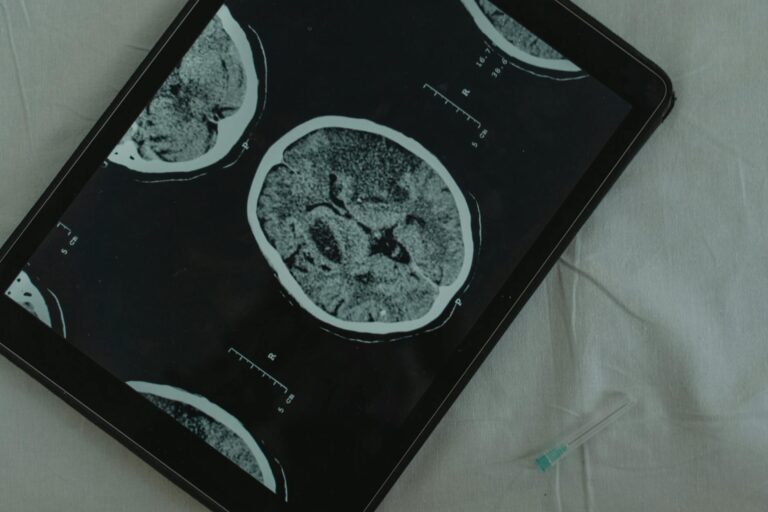
Proprioceptive training is a type of exercise that focuses on improving your body’s ability to sense its position and movement. This training not only enhances physical skills like balance and coordination but also has a profound impact on cognitive functions. Let’s explore how proprioceptive training can boost your brain power.
### Understanding Proprioception
Proprioception is like having a built-in GPS system in your body. It helps you understand where your limbs are and how they are moving, even when you’re not looking at them. This sense is crucial for maintaining balance, preventing injuries, and performing complex physical tasks. Proprioception is developed through sensory receptors in your muscles, tendons, and joints, which send signals to your brain about the position and movement of your body parts.
### How Proprioception Affects Cognition
Research has shown that improving proprioception can have significant cognitive benefits. Here are a few ways proprioceptive training enhances cognition:
1. **Improved Attention and Memory**: Studies indicate that exercises that challenge balance and proprioception can enhance attention, memory, and spatial orientation. This is because the brain is actively engaged in processing sensory information from the body to maintain balance, which strengthens neural connections and improves cognitive function.
2. **Enhanced Brain Activity**: Proprioceptive exercises stimulate the brain’s motor control centers, which are linked to higher cognitive functions. By challenging these centers, you can improve overall brain activity and efficiency.
3. **Better Coordination and Motor Skills**: As proprioception improves, so does your ability to coordinate movements. This enhanced motor skill development can translate into better performance in various physical activities, which in turn supports cognitive development by promoting neural plasticity—the brain’s ability to adapt and change.
4. **Reduced Stress and Improved Mood**: Physical activities that enhance proprioception, such as yoga or tai chi, often incorporate mindfulness elements. These practices can reduce stress and improve mood by releasing endorphins, which are natural chemicals that promote feelings of well-being.
### Incorporating Proprioceptive Training into Your Routine
Incorporating proprioceptive exercises into your daily routine is easier than you might think. Here are some simple ways to get started:
– **Balance Drills**: Stand on one leg while doing everyday tasks like brushing your teeth or cooking. Gradually increase the time you spend on one leg to challenge your balance.
– **Yoga and Tai Chi**: These practices combine physical movement with mindfulness, enhancing both body awareness and cognitive function.
– **Single-Leg Squats**: Perform squats on one leg to improve balance and strength.
– **Dynamic Balance Exercises**: Try walking in figure-eights or doing side steps to challenge your balance in different directions.
By incorporating these exercises into your routine, you can not only improve your physical coordination but also enhance your cognitive abilities, leading to a more balanced and healthy life.