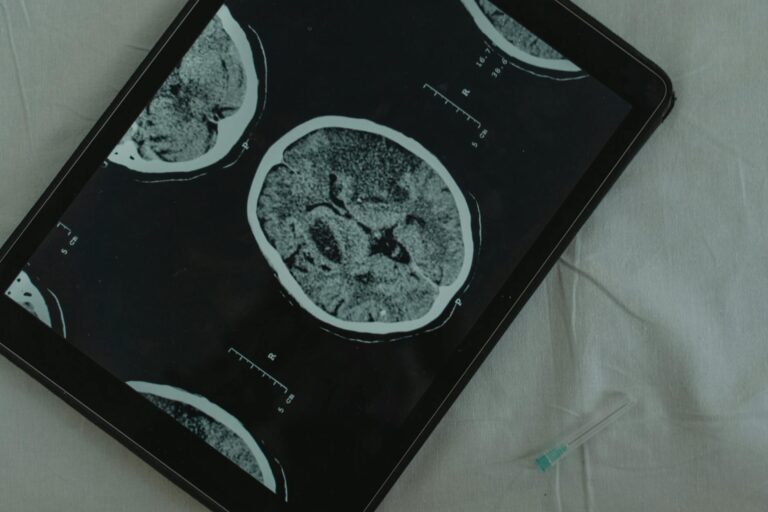
The Role of Gut-Derived Neurotransmitters in Brain Aging
As we age, our brains undergo significant changes that can affect cognitive function and overall health. One often overlooked factor in this process is the role of the gut microbiome, specifically the neurotransmitters it produces. These chemicals play a crucial role in communication between the gut and the brain, influencing mood, cognition, and even the aging process.
### How Gut-Derived Neurotransmitters Work
The gut microbiome is a complex ecosystem of bacteria, fungi, and viruses living in the gastrointestinal tract. It produces several key neurotransmitters, including serotonin, dopamine, norepinephrine, and gamma-aminobutyric acid (GABA). These neurotransmitters are not only produced in the brain but also by cells in the gut, known as enteroendocrine cells. For instance, about 90% of the body’s serotonin is produced in the gut, where it regulates digestion and influences mood and cognition.
### Impact on Brain Aging
The gut-brain axis, which includes the communication pathways between the gut microbiome and the brain, is crucial for maintaining brain health. Neurotransmitters produced by the gut microbiome can modulate inflammation, influence the integrity of the blood-brain barrier, and affect cognitive functions such as memory and learning. Dysbiosis, or an imbalance in the gut microbiome, can lead to reduced production of beneficial neurotransmitters, potentially contributing to cognitive decline and neurodegenerative diseases associated with aging.
### Lifestyle Factors and Gut Health
Diet and lifestyle play significant roles in maintaining a healthy gut microbiome. Consuming foods rich in dietary fiber, fermented foods, and polyphenols can support the growth of beneficial bacteria. Exercise and adequate sleep also contribute to a balanced gut microbiome. Conversely, factors like a low-fiber diet, sedentary lifestyle, and stress can disrupt the balance of gut bacteria, potentially impacting brain health.
### Potential Therapeutic Interventions
Understanding the role of gut-derived neurotransmitters in brain aging opens up new avenues for therapeutic interventions. Probiotics, prebiotics, and dietary changes aimed at improving gut health may help mitigate cognitive decline and support overall brain health. Additionally, research into the brain-gut axis could lead to the development of novel treatments for neurodegenerative diseases.
In summary, the gut microbiome’s production of neurotransmitters is a vital component of brain health, particularly as we age. By maintaining a healthy gut through lifestyle choices and potentially using probiotics or prebiotics, we may be able to support cognitive function and reduce the risk of age-related brain disorders.