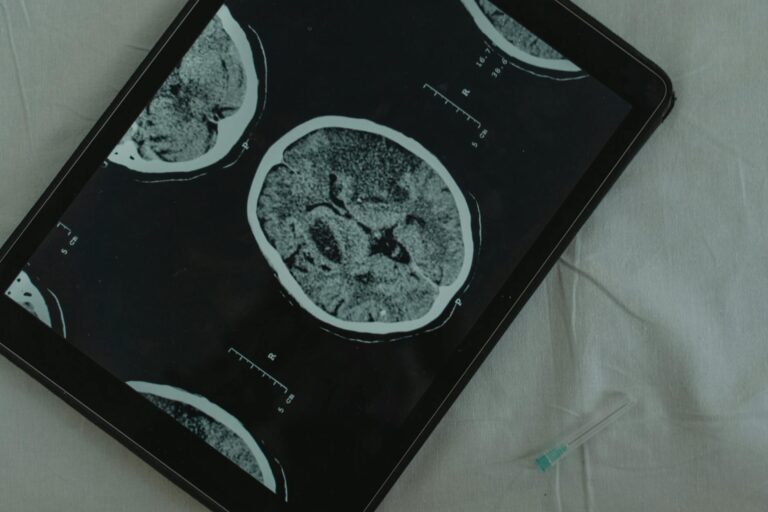
Traumatic brain injuries, which can range from mild concussions to severe head trauma, have been linked to an increased risk of developing dementia later in life. Dementia is a broad term that describes a decline in mental ability severe enough to interfere with daily life, with Alzheimer’s disease being the most common cause. Alzheimer’s is characterized by the buildup of proteins called amyloid-beta and tau in the brain, which disrupt normal brain function.
Researchers have long observed that people with a history of traumatic brain injury seem to have a higher risk of developing dementia. However, the exact biological reasons for this link have remained unclear. Recent studies have focused on understanding how traumatic brain injuries might influence the development of Alzheimer’s-related brain changes.
One key finding is that traumatic brain injuries do not necessarily lead to an overall increase in amyloid-beta and tau proteins in the brain. Instead, these injuries can change where these proteins accumulate and how they interact with each other. For example, in individuals with traumatic brain injuries, amyloid-beta and tau tend to build up more in areas like the frontal and parietal lobes, rather than the temporal regions typically affected in Alzheimer’s disease. This suggests that traumatic brain injuries may lead to unique patterns of brain aging that differ from typical Alzheimer’s disease.
Another important aspect to consider is the impact of repetitive head injuries, such as those experienced by athletes in contact sports. This can lead to a condition known as chronic traumatic encephalopathy (CTE), which is a distinct neurodegenerative disorder. While CTE shares some similarities with Alzheimer’s, it has its own set of symptoms and brain changes.
In addition to the physical effects, traumatic brain injuries can also have psychological impacts. For instance, experiencing a mild traumatic brain injury can increase the risk of developing post-traumatic stress disorder (PTSD), which in turn may further increase the risk of neurocognitive disorders, including dementia.
Overall, understanding the relationship between traumatic brain injuries and dementia risk is crucial for developing effective prevention and treatment strategies. Further research is needed to explore how different types of brain injuries affect brain health over time and to identify potential interventions that could mitigate these risks.