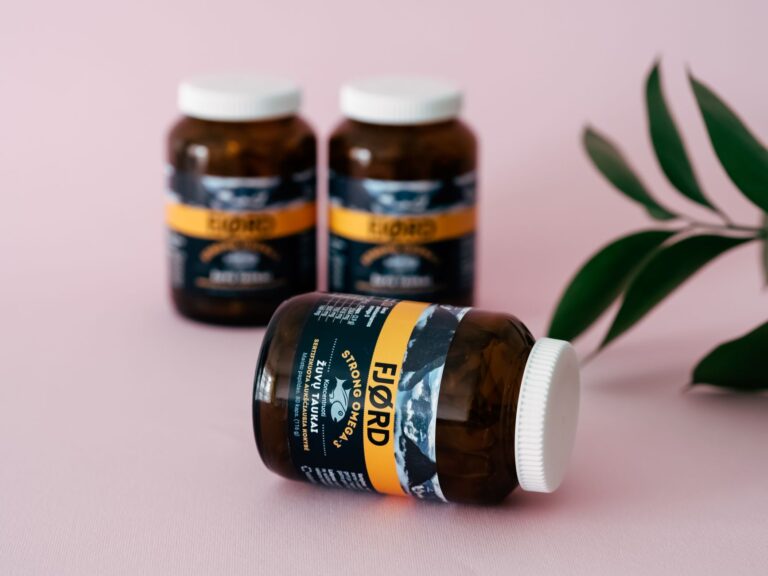
Yes, new bruising could reflect an interaction between a memory supplement and a blood-thinning medicine. However, bruising alone cannot prove an interaction or identify the responsible product. Injury, low platelets, illness, anticoagulants, and antiplatelet medicines can also cause bleeding under the skin, according to MedlinePlus. Contact a clinician about unexplained bruising rather than assuming the supplement is harmless—or solely responsible.
Medical information disclaimer: This article is for general educational purposes only and does not provide medical advice, diagnosis, or treatment. Always consult a physician or other qualified health professional about symptoms, medications, tests, or treatment decisions.
Table of Contents
- Which ingredient raises the clearest concern?
- Which combinations deserve attention?
- How certain is the evidence?
- What should you do now?
Which ingredient raises the clearest concern?
Ginkgo is commonly sold for memory, cognitive impairment, and "brain health." An anticoagulant is a medicine that slows blood clotting; warfarin is one example. The closest documented interaction is ginkgo combined with an anticoagulant—not proof that a particular memory supplement caused a particular person's bruises.
The National Center for Complementary and Integrative Health says ginkgo may increase bleeding risk in people taking anticoagulants such as warfarin. Check the full ingredient panel rather than relying on the product's name. A blend marketed for memory may contain ginkgo, fish oil, vitamin E, or several ingredients.
Which combinations deserve attention?
The FDA warns that warfarin, ginkgo, aspirin, and vitamin E can each thin the blood. Combining them may increase the potential for internal bleeding or stroke. High-dose fish oil may also reduce platelet activity and prolong clotting time with warfarin.
However, most research using 3–6 grams daily found no significant change in warfarin anticoagulation. That makes fish oil worth reviewing, but not proof of the cause. Include prescription medicines, over-the-counter products, and every supplement when checking for a possible interaction. Aspirin may be easy to overlook because it does not require a prescription.
How certain is the evidence?
Evidence about ginkgo and bleeding is mixed. A 2011 meta-analysis of 18 randomized trials involving 1,985 adults found no increased bleeding risk from standardized ginkgo extract based on measured blood-clotting outcomes. That finding does not establish that every ginkgo product or drug combination is risk-free.
It also does not explain an individual's new bruises. The product's ingredients, doses, medicines, illnesses, platelet levels, and possible injuries still matter. Potential benefit should also enter the decision. NCCIH reports that ginkgo did not reduce dementia or Alzheimer's disease rates among more than 3,000 adults aged 75 or older followed for a median of six years.
What should you do now?
The FDA advises people with a suspected supplement adverse event to stop the supplement, seek medical care or advice, and report the event. Unexplained bruising itself warrants contacting a clinician.
Prepare these details for the conversation: Do not use the article or the supplement label to decide whether to change a prescribed anticoagulant. Have the clinician who reviews the bruising address the supplement and prescribed medicine separately.
- The supplement bottle or a clear photo of its ingredient panel
- The dose taken and when use began
- When the bruises first appeared
- All prescription medicines, aspirin, and other supplements
- Any recent injury, illness, or additional unexplained bruising