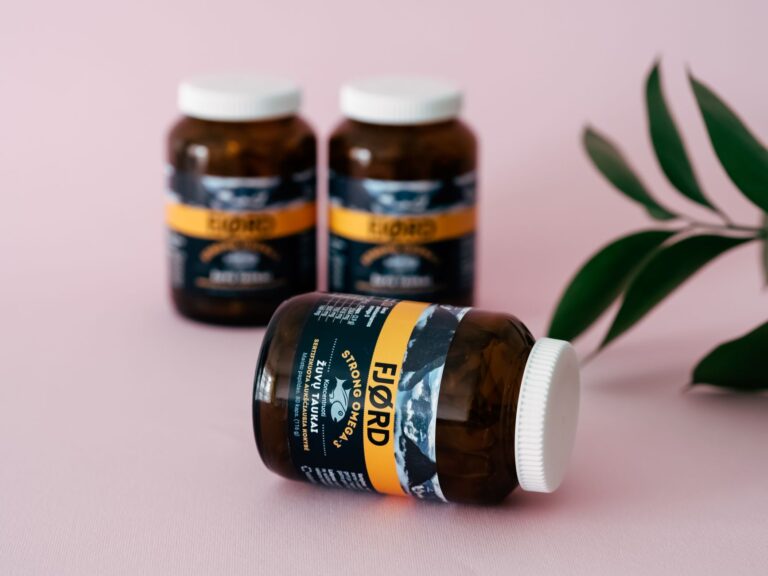
No dietary supplement marketed for memory is FDA-approved for safety or effectiveness. To check an approval claim, identify whether the product is a supplement, then search for any claimed drug approval in Drugs@FDA. A dietary supplement is a product containing ingredients such as vitamins, minerals, or herbs. The FDA says supplements can enter the market without advance notification, so being sold does not mean a product passed an FDA approval review.
Medical information disclaimer: This article is for general educational purposes only and does not provide medical advice, diagnosis, or treatment. Always consult a physician or other qualified health professional about symptoms, medications, tests, or treatment decisions.
Official resources:
- Read the official guidance from FDA — Use this primary source to verify the official guidance.
- Read the official guidance from FDA — Use this primary source to verify the official guidance.
Table of Contents
- What "FDA approved" actually means
- Why some memory claims can appear on labels
- When a claim crosses the line into disease treatment
- How to check an FDA approval claim
- What the evidence means for someone with memory problems
What "FDA approved" actually means
fda approval is a formal decision about a specific regulated product. It is not a general sign that a product is legal, effective, or manufactured under the agency's supervision. The FDA specifically states that vitamins, minerals, herbs, and other dietary supplements are not approved to treat or prevent disease.
Therefore, "FDA-approved memory supplement" is a false product-approval claim when the item is sold as a supplement, according to the FDA's explanation of what it does and does not approve. An FDA logo on packaging or a website does not change that. Private companies may not use the agency's logo in ways that suggest FDA endorsement.
Why some memory claims can appear on labels
A supplement company may make a "structure/function claim," which describes support for a normal body function. "Supports memory" or "helps maintain cognitive function" could fall into this category. The FDA generally does not approve these statements before marketing. The manufacturer must have support for a truthful, nonmisleading statement and notify the agency after first marketing it.
That notification does not amount to FDA approval. A structure/function claim must also appear with the DSHEA disclaimer. It says the FDA has not evaluated the statement and that the product is not intended to diagnose, treat, cure, or prevent disease. The FDA reaffirmed this disclaimer requirement on December 11, 2025.
When a claim crosses the line into disease treatment
A company cannot avoid drug rules merely by calling its product a supplement. A claim that a product treats, prevents, or cures Alzheimer's disease or another specific disease is legally a drug claim, according to the FDA's dietary supplement guidance.
Watch for promises such as these: A separate concept called an authorized health claim can also cause confusion. The FDA may review evidence and permit specific wording about reducing disease risk on a food or supplement label. That action authorizes the wording—not the supplement product itself.
- Prevents Alzheimer's disease
- Treats dementia
- Reverses memory loss caused by a disease
- Cures cognitive decline
How to check an FDA approval claim
Start with the seller's exact language rather than impressions created by seals, logos, or scientific-sounding descriptions. Drugs@FDA contains most FDA-approved human drugs since 1939, but it does not serve as a directory of dietary supplements. If a supposed approved drug does not appear, ask for its approved name and labeling rather than accepting a logo or marketing statement as proof.
- Confirm whether the package calls the product a dietary supplement.
- Look for the exact words "FDA approved." No supplement can truthfully claim FDA product approval.
- Separate general support language from promises to prevent or treat Alzheimer's disease.
- Check for the required DSHEA disclaimer when the label makes a structure/function claim.
- If the seller says the product is an approved drug, search its name in Drugs@FDA and read the listed labeling.
What the evidence means for someone with memory problems
Lack of FDA approval does not by itself prove that every ingredient is ineffective. It means the supplement product has not passed the FDA review required for approved drugs, so its marketing should not be treated as proof of safety or benefit. The National Institute on Aging says no vitamin or supplement has been proven to prevent Alzheimer's disease in people.
It also notes that many studies have been too small or too brief to support firm conclusions in its review of diet and Alzheimer's prevention evidence. A person experiencing memory problems should not use a supplement as a substitute for medical evaluation. Bring the product name, label, ingredient list, and advertised claims to the appointment so the clinician can consider them alongside the memory changes.