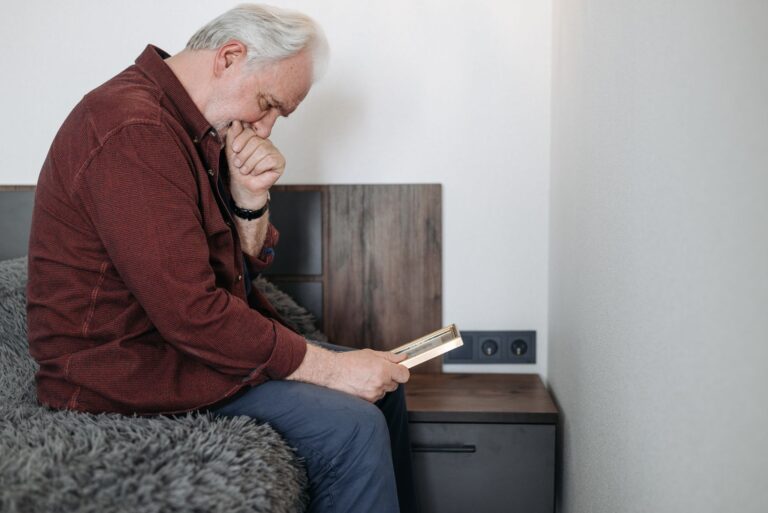
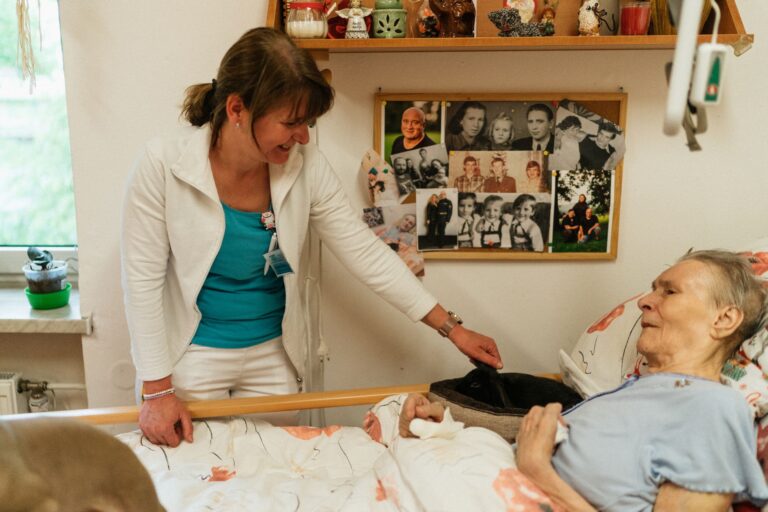
Reading a saved love letter together can give a dementia caregiver and the person they support a gentle way to connect through familiar words and shared history. It may bring recognition, affection, conversation, or grief, but it is not a memory test, proof of the relationship, or dementia treatment. No clinical evidence identifies this activity as a distinct intervention. The closest documented practice is reminiscence: using personal objects, words, or other prompts to invite memories and conversation.
Medical information disclaimer: This article is for general educational purposes only and does not provide medical advice, diagnosis, or treatment. Always consult a physician or other qualified health professional about symptoms, medications, tests, or treatment decisions.
Table of Contents
- What the letter can mean in the moment
- What if the letter is not recognized?
- How to share the letter gently
- Why it may be emotional for the caregiver
- Keep expectations realistic
What the letter can mean in the moment
A saved letter can act as a familiar keepsake. The Alzheimer's Association guidance on reminiscence says keepsakes may encourage pleasant memories, joy, reduced anxiety, and emotional connection. Distant memories may remain accessible longer than recent ones.
A letter from early in a relationship might therefore prompt recognition or conversation even when yesterday's events are unclear. The response does not need to be a detailed memory to matter. Interest in the handwriting, a smile, or quietly listening can still make the exchange worthwhile.
What if the letter is not recognized?
A person's inability to identify the letter, its writer, or the relationship is not necessarily rejection. Later-stage Alzheimer's can cause people to forget familiar people and relationships, according to the Alzheimer's Association overview of memory loss and confusion. Avoid treating one response as a verdict on the relationship.
Recognition may be incomplete, and the person may respond to the letter's emotional tone without recalling its history. Do not insist that the person remember. Correcting an answer or supplying more details repeatedly can turn a potentially warm moment into pressure.
How to share the letter gently
Keep the exchange brief and let the person's response guide what happens next. Dementia can affect attention, comprehension, and the ability to find words, as explained in the National Institute on Aging's communication guidance.
Helpful approaches include: Make connection the goal. Questions such as "Do you remember who wrote this?" can feel like a quiz, while "How does this make you feel?" leaves room for the person's present experience.
- Ask, "Would you like me to read this with you?"
- Read a short passage, then pause.
- Comment on the feeling rather than demand a fact: "That sounds very loving."
- Accept silence or a change of subject.
- Ask whether the person wants to continue or stop.
Why it may be emotional for the caregiver
The letter may remind a spouse or partner of intimacy that dementia has changed. The Alzheimer's Association notes that caregivers may grieve lost emotional or physical closeness even while the relationship remains capable of meaningful connection. Conflicting feelings are possible.
A caregiver might value the shared moment while also feeling sadness, loneliness, or disappointment that the letter no longer carries the same meaning for the other person. Those emotions do not make the activity unsuccessful. They may simply show that the letter holds one history for the caregiver and a different—or inaccessible—history for the person with dementia.
Keep expectations realistic
Evidence for reminiscence is mixed. A Cochrane review of 22 trials found possible short-term improvements in areas such as communication, cognition, mood, or quality of life, but benefits were usually small and varied by setting and format.
Shared reminiscence should not be presented as treatment for the caregiver. The review found no clear caregiver benefit and noted possible increased anxiety in some joint reminiscence studies. If reading the letter becomes upsetting for either person, stop without pressing for an explanation and put it away for another time.