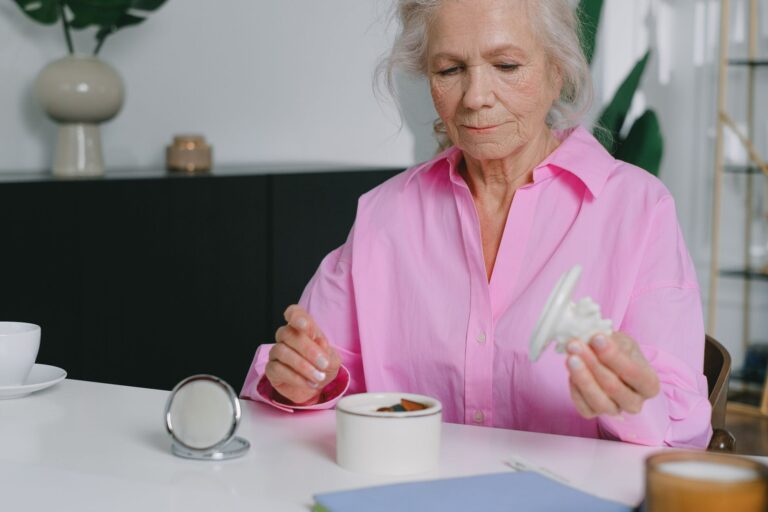
Older adults with untreated hearing loss and elevated cognitive or vascular risk may benefit most from WHO's updated hearing-aid guidance. The evidence does not show that hearing aids prevent dementia in everyone or treat dementia after diagnosis.
Dementia is brain-disease-related impairment of memory, thinking, and daily function. The guidance supports considering hearing aids as one part of risk reduction, not as a guaranteed protective measure. WHO estimated that 57 million people were living with dementia globally in 2021, according to its dementia fact sheet.
Medical information disclaimer: This article is for general educational purposes only and does not provide medical advice, diagnosis, or treatment. Always consult a physician or other qualified health professional about symptoms, medications, tests, or treatment decisions.
Table of Contents
- What does WHO recommend?
- What did the main trial find?
- Who appeared to benefit?
- What does the evidence not prove?
- How should someone act on this guidance?
What does WHO recommend?
who says hearing aids may be offered to adults with hearing loss as part of strategies to reduce cognitive decline and dementia risk. The recommendation is conditional and rests on low-certainty evidence, as stated in the updated WHO guidance. "May be offered" leaves room for individual judgment.
It does not mean every adult with hearing loss needs a device specifically for brain protection. The clearest reason to use a hearing aid remains hearing loss itself. Any possible cognitive benefit is an added consideration rather than a promised outcome.
What did the main trial find?
The strongest randomized evidence comes from ACHIEVE. The trial enrolled 977 cognitively healthy, community-dwelling U.S. adults aged 70 to 84 with untreated hearing loss.
Participants received either hearing aids with audiologic counseling or health education. Researchers followed their cognitive change for three years. The main result was negative: the hearing intervention did not slow global cognitive decline across the full group. Therefore, the trial does not support claiming that hearing aids protect every older user from cognitive decline.
Who appeared to benefit?
Benefit appeared in the prespecified ARIC subgroup, whose members had higher cognitive and vascular risk. In that subgroup, the hearing intervention slowed cognitive decline by 48% over three years. No benefit emerged among the healthier volunteers recruited specifically for the trial.
The ACHIEVE report in The Lancet therefore points toward a narrower group: older adults with untreated hearing loss plus elevated cognitive or vascular risk. This difference matters when discussing expectations. A healthier older adult may still gain hearing-related benefits, but the trial did not establish an added cognitive benefit for that group.
What does the evidence not prove?
ACHIEVE measured changes in cognition, not a definitive reduction in new dementia diagnoses. Its subgroup result needs confirmation and should not be described as proof that hearing aids prevent dementia. The study also enrolled adults who were cognitively healthy at the start.
It did not establish hearing aids as a treatment for people who already have dementia. A hearing aid may still help a person with dementia who also has hearing loss. However, that is different from reversing dementia, slowing it, or preventing it.
How should someone act on this guidance?
Start with the hearing problem, then consider the person's broader risk profile and device needs. The FDA regulates hearing aids as devices for hearing loss, not dementia treatments. Over-the-counter hearing aids are intended for adults aged 18 or older with perceived mild-to-moderate loss; the FDA advises professional assessment for more severe or complex problems.
- Consider hearing aids if an older adult has untreated hearing loss, especially alongside elevated cognitive or vascular risk.
- Keep expectations realistic: better hearing is the device's purpose, while cognitive protection remains uncertain.
- Seek professional assessment for severe or complex hearing loss.
- Stop and obtain medical advice if a device causes injury, ear or skin irritation, worsened hearing, or leaves pieces in the ear.