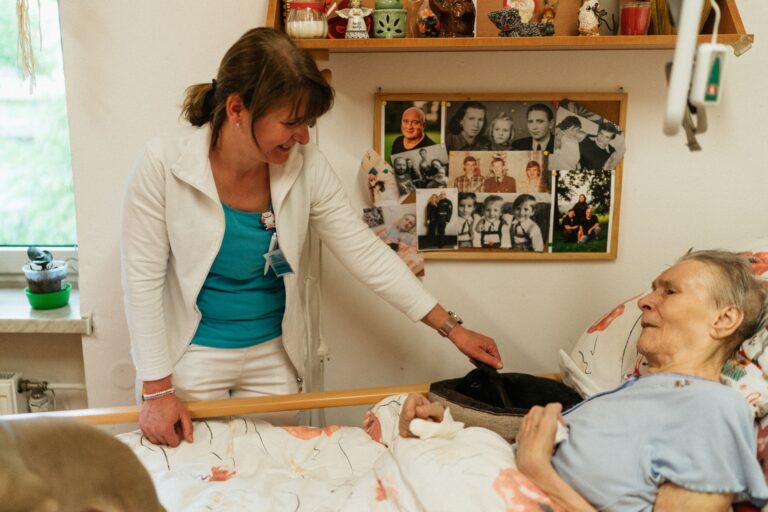
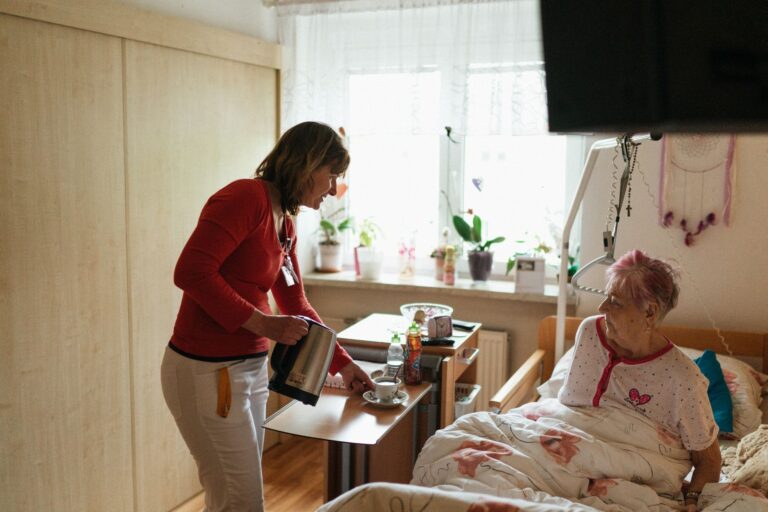
A dementia home caregiver’s shift involves far more than basic task completion. The primary responsibility is to maintain the person with dementia in a calm, safe, and predictable environment while managing their physical needs, monitoring their health, and providing meaningful engagement. Consider a typical morning shift: a caregiver might begin by gently waking their client, assisting with hygiene and dressing, preparing breakfast, then spending time on activities the person enjoys—whether that’s looking through old photos, gardening, or listening to music—while continuously observing for signs of pain, confusion, or distress.
The structure of a caregiving shift needs flexibility within routine. A person with dementia in mid-stage disease may have difficulty communicating needs but retain the ability to recognize familiar faces and environments. During the shift, the caregiver acts as the primary buffer between the person’s inner confusion and the outside world, making thousands of micro-decisions about how to respond, redirect, and reassure. The shift is not something that happens to the person with dementia—it is something the caregiver actively shapes through attention, tone, pacing, and presence.
Medical information disclaimer: This article is for general educational purposes only and does not provide medical advice, diagnosis, or treatment. Always consult a physician or other qualified health professional about symptoms, medications, tests, or treatment decisions.
Table of Contents
- How Should a Dementia Caregiver Structure Their Daily Shift?
- What Does Emotional and Behavioral Support Look Like During a Shift?
- What Physical Care Tasks Require Specific Attention During a Shift?
- How Should Caregivers Manage the Home Environment and Safety During a Shift?
- What Observation and Monitoring Should Happen Throughout a Shift?
- How Should Caregivers Approach Engagement and Meaningful Activity?
- What Transition and Handoff Practices Matter at the End of a Shift?
How Should a Dementia Caregiver Structure Their Daily Shift?
Successful caregiving shifts follow a rhythm that balances necessary tasks with opportunities for engagement and rest. Rather than rushing through a checklist, caregivers should establish predictable patterns that signal to the person what comes next, reducing anxiety. A typical shift might include morning hygiene and dressing, a structured meal with socialization, a period of activity or engagement, a quiet time, additional meals or snacks, and evening transition routines before the next caregiver or family member arrives. This structure works because people with dementia often retain procedural memory—the ability to follow a familiar sequence—even when explicit memory fades.
If breakfast is always followed by a particular activity, the person may become calmer as those familiar steps unfold. However, rigid adherence to schedule without flexibility can create problems. If a person is upset or agitated, pushing them through a planned activity on time will typically intensify distress rather than settle them. Caregivers must recognize when adjusting the schedule—spending extra time on calming activities, moving a meal to later, or skipping a planned task—is the correct response to what the person is communicating through their behavior.
What Does Emotional and Behavioral Support Look Like During a Shift?
People with dementia commonly experience distress that doesn’t always have a clear external cause. Sundowning—increased confusion and agitation in late afternoon—is a documented phenomenon that many caregivers encounter. Rather than treating behavioral changes as problems to be controlled, skilled caregivers learn to respond to the emotional core of the behavior. When a person becomes agitated, the first step is observation: Are they in pain? Do they need the bathroom? Are they overstimulated by noise or too many people? Are they searching for someone or something? Once a caregiver rules out basic physical causes, they employ de-escalation through environmental adjustment and emotional attunement.
This might mean lowering the volume of background noise, moving to a quieter space, using a calm tone, or providing reassurance through physical comfort like a gentle hand on the shoulder or sitting quietly nearby. A critical limitation of behavioral support is that it requires time. A distressed person cannot be rushed. A caregiver who is pressured to finish other tasks and moves quickly through the interaction may inadvertently increase the person’s anxiety. In cases where aggression or severe behavioral disturbance occurs, caregivers should have clear protocols with the family and healthcare team about how to respond safely, when to contact a doctor, and what de-escalation approaches have worked in the past.
What Physical Care Tasks Require Specific Attention During a Shift?
Hands-on physical care—toileting, bathing, dressing, grooming—forms a core part of many caregiving shifts. These intimate tasks require both technical competence and emotional sensitivity. A person with dementia may not remember why they’re being asked to bathe or may fear the sensation of water. The caregiver must explain each step simply and honestly, prepare the environment in advance, and maintain dignity throughout. For example, a caregiver might gather all necessary items before beginning, warm the water, explain “We’re going to wash your hands now,” and allow the person to participate actively rather than treating them passively.
Toileting care deserves particular attention because accidents or resistance create stress for both caregiver and person with dementia. Some individuals develop patterns around timing; a caregiver who notices someone needs the toilet at mid-morning and after meals can often prevent accidents by initiating a toilet visit at predictable times, framed as routine rather than response to urgency. When resistance or refusal occurs, forcing the issue typically backfires. The caregiver must assess whether waiting a short time, reframing the request, or offering choices (“Would you like the bathroom now or after lunch?”) will achieve cooperation better than insistence. Nutritional intake also requires monitoring during shifts. If a person loses interest in eating or forgets they’ve already eaten, the caregiver tracks intake and may need to offer smaller, more frequent meals or nutrient-dense options that require less chewing.
How Should Caregivers Manage the Home Environment and Safety During a Shift?
The physical environment is a tool for dementia care. A home should be set up to support the person’s independence while preventing harm. During a shift, a caregiver’s job includes active environmental management: keeping pathways clear of clutter, securing medications and harmful substances, ensuring adequate lighting, reducing noise and visual chaos, and preventing exits to unsafe areas like unfenced gardens or busy streets. Many dementia care situations involve someone who wanders or has a pattern of trying to leave the house. A caregiver must be alert to these patterns and implement preventive strategies—engagement in activities that hold attention, securing doors in a way that is not a restraint but a barrier requiring adult strength or knowledge to open, and using technology like door alarms if appropriate.
Temperature control and personal comfort often need active management. A person with dementia may not communicate that they’re cold or too warm, or may remove clothing repeatedly without understanding why. The caregiver observes for signs—shivering, excessive sweating, restlessness—and adjusts blankets or clothing proactively. A common tradeoff caregivers face is between autonomy and safety: should the person with dementia be allowed to make choices that carry some risk, or should the caregiver override those choices for safety? The answer depends on the degree of risk and the person’s prior values. Someone who was always independent might prefer certain risks to a heavily restricted environment, while another person’s family prioritizes safety above all. These conversations should happen between caregivers, the family, and ideally the person with dementia while they can still participate, rather than being decided moment-to-moment during shifts.
What Observation and Monitoring Should Happen Throughout a Shift?
Caregivers function as the frontline detector of changes in the person’s health and well-being. This requires continuous, low-level observation throughout the shift. A caregiver should notice changes in behavior, appetite, toilet habits, sleep patterns, mood, and physical symptoms like fever, cough, or new pain. Dementia itself can mask illness; a person who cannot clearly report a urinary tract infection may simply become more confused or agitated. Many conditions that would prompt a clear report in a cognitively intact person manifest as behavioral changes in dementia, making astute observation essential. Documentation of observations helps inform the broader care team.
A shift note that records “Had a good morning. Ate breakfast and lunch. Seemed confused about where he was in the afternoon but calmed down with music” provides useful information for the next caregiver and the family. A detailed observation—”Refused lunch and seemed to be holding his right side, grimaced when moving”—prompts action and potential medical evaluation. The limitation here is that not all concerning changes indicate serious illness, and not all changes warrant immediate medical intervention. A caregiver working in isolation—without regular contact with the family, the healthcare provider, or other caregivers—may miss patterns or conversely may escalate minor changes unnecessarily. Strong communication structures between all caregivers and the family are critical to appropriate response.
How Should Caregivers Approach Engagement and Meaningful Activity?
Time spent during a shift is not meant to be merely supervisory. People with dementia retain emotional memory and capacity for pleasure, even in advanced stages. Engagement—whether through reminiscence, creative activity, music, nature, or simple social interaction—serves both emotional and practical purposes. A person engaged in an activity they find meaningful is calmer, more cooperative with care tasks, and experiences better overall quality of life.
However, engagement requires the caregiver to know the person’s history, preferences, and abilities. A caregiver working a shift with someone they’ve never met before faces immediate disadvantage. They don’t know what music the person loved, what work they did, what parts of their life bring them joy. An effective caregiving relationship builds over time through listening, observation, and communication with family members who provide context. Even in early-stage dementia when the person can communicate directly, their preferences may conflict with staff suggestions—and respecting those preferences, while offering alternatives, matters more than completing a predetermined activity schedule.
What Transition and Handoff Practices Matter at the End of a Shift?
As a shift ends, the caregiver’s job includes careful transition for both the person with dementia and whoever is taking over care. If another caregiver is arriving, a brief handoff note or conversation—mentioning the person’s mood, any incidents, what they ate, whether medications were given, any observations about health or behavior—ensures continuity. A person with dementia may become anxious when a familiar caregiver departs, so transitions should be handled calmly and honestly. Saying “I’m leaving now, and Jane is coming to have dinner with you” is preferable to slipping away unannounced, which can trigger searching behavior and distress.
The physical space should be left in a condition that supports the next phase of care. Medications should be accounted for, the kitchen cleaned, the person’s hygiene completed so the next caregiver isn’t playing catch-up, and any immediate needs documented. If the person will be alone, the caregiver ensures safety measures are in place and emergency contacts are accessible. A comprehensive handoff takes time but prevents gaps in care and reduces the cognitive load on the next person, the family member, or the person with dementia themselves.