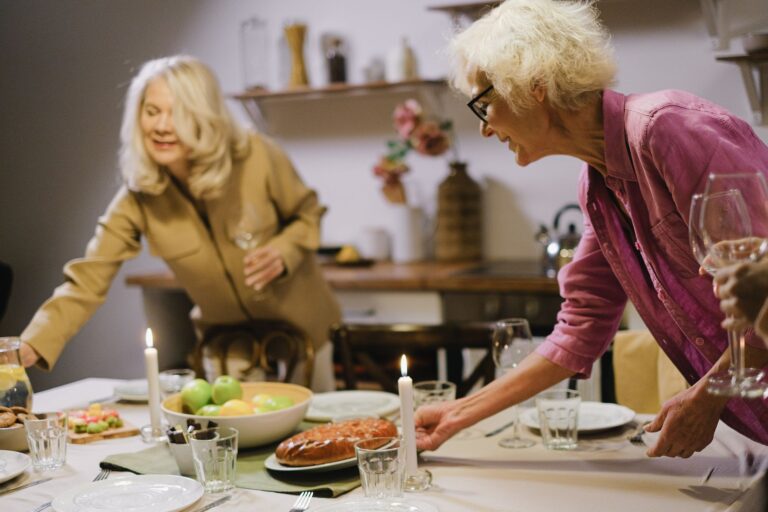
When someone with dementia refuses to drink, the most effective approach is rarely persuasion. Instead, caregivers get better results by removing the obstacles that stand between the person and the cup: offering small amounts of fluid frequently rather than large glasses, using brightly colored cups that are easy to see and hold, serving drinks the person has loved their whole life, and folding fluids into foods like soup, gelatin, ice cream, and juicy fruit. The goal shifts from “getting them to drink a glass of water” to steadily layering in moisture across the entire day, often in servings so small they never register as a demand. Consider a common scenario: a daughter places a tall glass of water in front of her father, who has Alzheimer’s disease, and reminds him every hour to drink it. The glass sits untouched.
The problem may not be stubbornness. He may no longer recognize the clear glass against a light table, may no longer feel thirst the way he once did, or may simply not connect the object in front of him with the act of drinking. When she switches to a bright red mug, fills it only a third of the way, hands it to him directly while saying “here’s your tea, Dad,” and does this eight or ten times a day, his intake often improves without a single argument. Understanding why the refusal happens is the foundation for everything else. Dementia can blunt the sensation of thirst, impair the ability to recognize a cup or remember how to use it, cause swallowing difficulties, and make a person suspicious of anything handed to them. Each of these causes calls for a slightly different response, which is why no single trick works for everyone.
Medical information disclaimer: This article is for general educational purposes only and does not provide medical advice, diagnosis, or treatment. Always consult a physician or other qualified health professional about symptoms, medications, tests, or treatment decisions.
Table of Contents
- Why Won’t Someone With Dementia Drink, and What Does That Mean for Caregivers?
- Making Drinks Visible, Recognizable, and Easy to Manage
- Getting Fluids in Through Food
- Building a Routine of Little and Often
- When Refusal Persists: Swallowing Problems, Illness, and What Not to Force
- Mouth Care as a Hidden Driver of Drinking
- Tracking Intake Without Turning Care Into Surveillance
- Frequently Asked Questions
Why Won’t Someone With Dementia Drink, and What Does That Mean for Caregivers?
Refusing fluids is almost never simple defiance. As dementia progresses, the brain’s regulation of thirst weakens, so the person may genuinely not feel thirsty even when they are becoming dehydrated. On top of that, memory loss means they may believe they just had a drink. Visual-perceptual changes can make a clear glass of water on a white tablecloth effectively invisible. Apraxia — the loss of learned movements — can leave someone staring at a cup without recalling the sequence of lifting, tipping, and swallowing. And in later stages, dysphagia (difficulty swallowing) can make drinking feel frightening or lead to coughing, so the person avoids it.
The practical implication is that caregivers need to diagnose before they intervene. Compare two situations that look identical on the surface: in the first, a woman ignores her water glass but drinks readily when a cup is placed in her hand and guided toward her mouth — her issue is initiation and recognition, not refusal. In the second, a man takes a sip, coughs, grimaces, and pushes the cup away — his issue may be swallowing pain or aspiration fear, and pushing more fluids at him without a swallowing assessment could actually be dangerous. Same behavior, opposite responses required. It also helps to know what is at stake. Dehydration in older adults with dementia contributes to urinary tract infections, constipation, dizziness and falls, increased confusion, and delirium — and delirium in turn can be mistaken for a sudden worsening of the dementia itself. A person who becomes markedly more confused, drowsy, or agitated over a day or two, alongside dark urine or dry lips, needs medical attention, not just more encouragement at the table.
Making Drinks Visible, Recognizable, and Easy to Manage
Presentation changes are often the highest-yield, lowest-conflict intervention. Color contrast matters enormously: research in dementia care settings has long supported the use of high-contrast tableware, and many caregivers find that switching from clear or white cups to bright red, blue, or yellow ones noticeably increases intake, simply because the person can now see the drink. The cup itself should be lightweight, stable, and easy to grip — a two-handled mug or a cup with a wide base works better than a tall, slippery glass. Filling it only a third or half full reduces spills and makes the task feel less daunting.
Placement and prompting matter as much as the vessel. A drink placed at the edge of the visual field may as well not exist; put it directly in the person’s line of sight, within easy reach, and pair it with a simple verbal cue and a gesture — pick up your own cup and drink, since mirroring is often preserved long after verbal instructions stop working. Handing the cup directly into the person’s hand can bridge the gap when they no longer initiate the action themselves. There is a real limitation to note here: adaptive equipment like spouted beakers or lidded “sippy” style cups can help with tremor and spills, but some people with dementia find them infantilizing and refuse them outright, and certain spout designs require a head-back drinking posture that increases choking risk for people with swallowing problems. Before introducing any special cup for someone who coughs or chokes on liquids, a speech and language therapist (speech-language pathologist) should assess their swallowing — thickened fluids or specific cup designs may be recommended, and the wrong equipment can make things worse.
Getting Fluids in Through Food
When drinking from a cup becomes unreliable, food becomes a major hydration route. Many everyday foods carry substantial water: soups and broths, porridge made with extra milk, yogurt, custard, gelatin desserts, ice cream, sorbet, smoothies, and fruits like watermelon, oranges, grapes, cucumber, and berries. For someone who refuses every cup offered but still enjoys eating, a bowl of soup at lunch, a dish of melon in the afternoon, and ice cream after dinner can quietly deliver a meaningful share of the day’s fluids without a single battle over a glass of water. A concrete example: one care home approach that families can copy at home is the “ice lolly round” — offering fruit-juice ice pops mid-morning and mid-afternoon.
A resident who reliably turned away cups of juice would happily accept an ice pop, partly because it was a treat rather than a task, partly because the cold sensation is easier to perceive and can actually stimulate the swallowing reflex. At home, freezing diluted juice in ice pop molds costs almost nothing and gives the person something they can hold and manage independently. Frozen and cold options have another advantage for people in early to middle stages who have lost interest in bland water: strong, familiar flavors register better. Sharp tastes like lemon, or sweet ones like mango, often succeed where plain water fails, because dementia and normal aging both dull the sense of taste and smell — mild flavors may simply not read as anything at all.
Building a Routine of Little and Often
Frequency beats volume. A large glass presented three times a day invites refusal; a small cup offered every waking hour invites acceptance. The arithmetic works out the same or better: ten small servings of 100–150 ml across the day add up to more than most reluctant drinkers will ever take from three full glasses, and each individual offer feels trivial rather than demanding. Anchoring drinks to existing routines helps too — a drink with every medication, every meal, every time the person sits down after moving rooms, every favorite television program. There is a genuine tradeoff to weigh: the timing of fluids versus nighttime disruption. Loading fluids late in the evening can increase nighttime waking, incontinence episodes, and risky trips to the bathroom in the dark — a significant fall hazard.
Many caregivers front-load fluids in the morning and afternoon and taper them in the two hours before bed. The tradeoff is that an evening cup of warm milk or herbal tea is often part of a comforting wind-down ritual that the person actually accepts, so cutting evening fluids entirely may cost both hydration and calm. Most families settle on a middle path: generous fluids through the afternoon, one small comforting drink in the evening, and good nighttime lighting for bathroom trips. Social framing changes acceptance too. Drinking is a social act, and a person with dementia will often drink when the caregiver sits down and drinks with them — “let’s have a cuppa together” — where a cup delivered like a medication fails. Compare a mug handed over with “you need to drink this” against the same mug placed on the table during a chat while the caregiver sips their own: the second version carries no pressure and frequently works simply because it looks like ordinary life.
When Refusal Persists: Swallowing Problems, Illness, and What Not to Force
Persistent, worsening refusal deserves investigation rather than escalation. New or increased refusal can signal mouth pain from dental problems or ill-fitting dentures, oral thrush, a sore throat, medication side effects that dry the mouth or alter taste, constipation, or an emerging infection. A dentist visit and a medication review with the prescribing doctor are reasonable early steps when a previously adequate drinker suddenly stops. Depression, which is common in dementia and underdiagnosed, can also flatten appetite and thirst together. An important warning: never force fluids into the mouth of someone who is refusing, turning away, or not fully alert.
Forcing liquid into an unwilling or drowsy person dramatically raises the risk of aspiration — fluid entering the airway — which can cause choking or aspiration pneumonia, one of the most serious complications in advanced dementia. Signs that swallowing itself is the problem include coughing or throat-clearing during or after drinks, a wet or gurgly voice after swallowing, holding fluid in the mouth without swallowing, and recurrent chest infections. Any of these warrants a referral for a formal swallowing assessment, after which thickened fluids or modified techniques may be recommended. In advanced dementia, reduced eating and drinking can also be part of the natural end stage of the illness, and this is one of the hardest realities for families. At that point the conversation shifts from “how do we get more fluids in” to comfort-focused care, guided by the person’s medical team — meticulous mouth care, ice chips, moistened swabs, and small tastes of favorite things for pleasure rather than nutrition. Evidence has generally not shown that tube feeding improves survival or comfort in advanced dementia, which is why palliative care specialists usually recommend careful hand feeding and hydration for comfort instead.
Mouth Care as a Hidden Driver of Drinking
A dry, sore, or unclean mouth suppresses both the desire and the ability to drink, and mouth problems are extremely common in dementia because brushing routines break down. A person with cracked lips, a coated tongue, or thrush may associate anything entering the mouth with discomfort. Twice-daily tooth or denture brushing, lip balm, and regular sips or oral sprays for dry mouth can quietly restore willingness to drink.
One family found that their mother, who had been refusing nearly all drinks for weeks, had a raging case of oral thrush hidden under her upper denture — something no one had removed and checked for months. After antifungal treatment and a new routine of removing and cleaning the denture nightly, her drinking recovered to near her previous level within two weeks. The refusal had never been about the drinks at all.
Tracking Intake Without Turning Care Into Surveillance
Caregivers often overestimate how much a person actually drank, because cups get poured, offered, and cleared half-full. A simple tally — a notepad on the counter marking each serving actually finished, or a habit of noting the level in the cup when it is cleared — gives a truthful picture across a week and reveals patterns, such as good mornings and poor evenings, that can guide when to concentrate offers.
Practical markers of adequate hydration in daily life include urine that is pale straw-colored rather than dark and strong-smelling, moist lips, and stable alertness; dark urine, new constipation, increased confusion, dizziness on standing, and dry mouth all point the other way. Many caregivers also weigh the fluid plan against the person’s medical conditions: someone with heart failure or kidney disease may have a fluid target set by their doctor, so “more is always better” does not apply universally, and the target for the day should come from the clinical team rather than a generic rule like eight glasses.
Frequently Asked Questions
How much fluid does a person with dementia need each day?
A common guideline for older adults is roughly 1.5 to 2 liters daily from drinks and food combined, but conditions like heart failure or kidney disease can change this, so confirm the right target with the person’s doctor.
What are the first signs of dehydration in someone with dementia?
Dark, strong-smelling urine, dry lips and mouth, increased confusion or drowsiness, dizziness on standing, headaches, and constipation are common early signs. Sudden worsening of confusion should prompt a medical review.
Do tea and coffee count toward fluid intake?
Yes. Despite their mild diuretic effect, ordinary amounts of tea and coffee still contribute net fluid, and a familiar cup of tea is often the drink a person with dementia will most readily accept.
Should I use thickened fluids?
Only if a swallowing assessment recommends them. Thickened fluids help some people with dysphagia drink safely, but they are often less palatable and can reduce total intake, so they should not be started without professional guidance.
What if they hold the drink in their mouth and won’t swallow?
This can be a swallowing initiation problem. Gentle cues, a light touch to the cheek or lips, offering cold or strongly flavored drinks, and alternating sips with small bites of food can help — but persistent pooling of liquid warrants a speech and language therapy referral.
Is refusing to drink normal in late-stage dementia?
Reduced drinking is often part of the final stage of the illness. At that point, care usually shifts to comfort — mouth care, ice chips, and small tastes of favorite drinks — guided by the person’s medical or palliative care team.