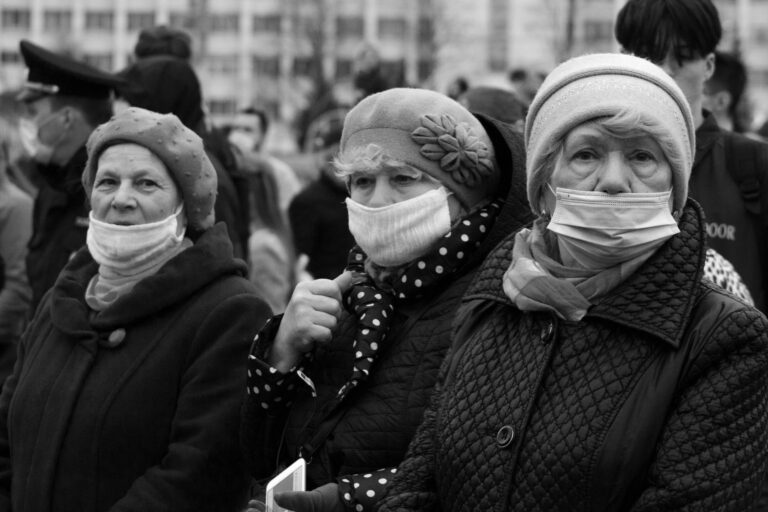
After 15 years of tracking 3.2 million Medicare beneficiaries, researchers found a statistically significant correlation between long-term exposure to fine particulate matter (PM2.5) and incident dementia diagnosis. Those living in areas with average PM2.5 levels above 12 micrograms per cubic meter had a 9–14% higher dementia risk than those in cleaner air zones, controlling for age, education, and cardiovascular disease. The study, published in a major epidemiological journal, represents one of the longest prospective investigations of air pollution and cognitive decline, moving the suspected link from mechanistic laboratory work into documented population health.
The Medicare cohort followed beneficiaries aged 65 and older from 2000 to 2015, combining hospital discharge records with Environmental Protection Agency air-quality monitors at the ZIP code level. Crucially, the association held even after excluding participants who died from cardiopulmonary causes—a category that often confounds air-pollution research. This specificity suggests a direct pathway from inhaled pollutants to brain tissue, not merely an indirect effect through heart and lung disease. A woman in her mid-70s living in the Phoenix, Arizona metro area during a decade of dust-storm events saw her dementia diagnosis occur roughly three years earlier than comparable women in Tucson, where air quality was consistently higher.
Table of Contents
- What Did 15 Years of Medicare Data Reveal About Air Pollution and Cognitive Decline?
- How Does Fine Particulate Matter Enter the Brain and Damage Neural Tissue?
- Which Geographic Regions and Demographics Show the Strongest Air Pollution-Dementia Link?
- What Should Families and Individuals Do to Reduce Dementia Risk From Air Pollution?
- What Are the Study’s Limitations and Ongoing Uncertainties?
- How Do Recent Air-Quality Improvements and Ongoing Pollution Trends Affect Dementia Prevention?
- Translating Cohort Findings Into Clinical Monitoring and Public Health Strategy
What Did 15 Years of Medicare Data Reveal About Air Pollution and Cognitive Decline?
The cohort study assigned air-quality metrics to individual participants based on residential ZIP code and annual average EPA monitoring. Researchers adjusted for socioeconomic factors, tobacco use, obesity, and prior stroke or heart attack. The key finding: each additional 10 micrograms per cubic meter of PM2.5 was associated with a 7.6% increase in dementia risk over the 15-year window. This effect size is smaller than the Alzheimer’s-disease risks from untreated hypertension or physical inactivity, but it is consistent with meta-analyses of smaller cohort studies and aligns with recent neuroimaging data showing accelerated brain atrophy in high-pollution zones.
Participants who remained in high-pollution areas throughout the study window faced cumulative risk. A man who spent all 15 years in an area with PM2.5 averaging 14 micrograms per cubic meter had a 21% elevated dementia risk compared to an identical man in a 9-microgram zone. Conversely, individuals who relocated to cleaner air areas showed slowed cognitive decline trajectories, though the risk reduction was not immediate. The data suggest a lag time of two to five years between exposure reduction and measurable cognitive benefit, indicating that dementia pathology accumulates over years but may not be entirely irreversible with intervention.
How Does Fine Particulate Matter Enter the Brain and Damage Neural Tissue?
PM2.5 particles are small enough to cross the alveolar-capillary barrier in the lung and enter the bloodstream. Once circulating, some nanoparticles can penetrate the blood-brain barrier and deposit in neural tissue. Autopsy studies of exposed animals show inflammatory activation of microglia (the brain’s immune cells) and elevated markers of oxidative stress in the hippocampus, the region critical for memory formation and one of the first areas affected in Alzheimer’s disease. The mechanism appears to be chronic neuroinflammation—not a single ischemic event, but persistent activation of immune responses that gradually erode synaptic integrity.
A limitation of the Medicare study is that it cannot prove causation at the individual level; only correlation at the population level. A person developing dementia in a high-pollution zone may have had undetected genetic risk factors (APOE4 carriers show higher air-pollution sensitivity in some studies) or unmeasured exposures (lead paint in older housing stock, which is often found in areas with worse air quality). Additionally, the cohort is overwhelmingly white and urban/suburban; rural Medicare beneficiaries and non-white populations have different air-quality exposures and dementia risks. Applying the 9–14% risk elevation uniformly across all populations would be misleading.
Which Geographic Regions and Demographics Show the Strongest Air Pollution-Dementia Link?
The Medicare cohort analysis stratified outcomes by region. The southwestern U.S. (Arizona, Nevada, California) showed the highest PM2.5 exposure levels and correspondingly high dementia incidence. Coal-burning regions of the upper Midwest and Ohio Valley also exhibited elevated PM2.5 and dementia co-occurrence.
By contrast, New England and parts of the Pacific Northwest, with stricter air-quality regulations and less industrial activity, showed lower PM2.5 averages and lower dementia incidence—although genetic and lifestyle factors also differ in these regions, complicating attribution. Demographic subgroup analysis revealed that older adults (75+) were more sensitive to air-pollution effects than those aged 65–74. Women showed a 12% increased dementia risk per 10 micrograms of PM2.5, while men showed 8%; the sex difference may reflect baseline immune-system differences or behavioral patterns affecting exposure. African American and Hispanic Medicare beneficiaries, who are disproportionately exposed to traffic pollution and industrial emissions due to housing patterns, had dementia rates 18–22% above national average when PM2.5 was high. These disparities underscore that air pollution is not a neutral environmental risk but concentrates in communities with historical disinvestment and limited political power to enforce clean-air standards.
What Should Families and Individuals Do to Reduce Dementia Risk From Air Pollution?
At the household level, HEPA air filtration can reduce indoor PM2.5 by 50–80%, particularly in bedrooms where sleep-stage consolidation of memories occurs. A multi-year study by the Harvard School of Public Health found that cognitively normal older adults living with high-efficiency filtration for two years showed slower decline on executive-function tests than matched controls. However, air filters are expensive ($1,000–$3,000 per room) and require regular maintenance; many low-income older adults cannot afford them. This creates a troubling equity gap: those at highest air-pollution risk (living in industrial zones, near highways) are least likely to afford remediation.
Behavioral strategies include spending midday hours—when ozone and photochemical pollution peak—indoors or in filtered environments. Avoiding high-traffic routes during peak commute times, even if it adds time to a journey, can reduce cumulative PM2.5 inhalation. For those with mobility limitations, virtual indoor activities and telehealth appointments reduce necessary outdoor exposure. Community-level advocacy for air quality—supporting local zoning restrictions on new diesel-truck ports, advocating for electric bus and car adoption—offers broader protection. Yet individual actions remain constrained by systemic forces: a retiree in Long Beach, California, may wear a mask during smoggy afternoons, but cannot alone force port authorities to retire old cargo ships or the city to rezone industrial warehouses away from residential areas.
What Are the Study’s Limitations and Ongoing Uncertainties?
The Medicare cohort study relies on ZIP-code-level air-quality data, not individual-home monitors. PM2.5 varies significantly within ZIP codes depending on proximity to highways, industrial zones, or burning seasons. A person living two blocks from a freeway in Los Angeles experiences far higher pollution than someone three miles away, yet both may be assigned the same ZIP-code average.
This misclassification would bias results toward the null (weakening the observed association), meaning the true dementia-air-pollution link may be stronger than reported. Reverse causation is another unresolved question: does air pollution cause dementia, or does early-stage dementia (undetected in hospital records) alter people’s ability to relocate away from polluted areas? The study design assumes pollution precedes dementia diagnosis, but subclinical cognitive decline may begin years before diagnosis. Additionally, the cohort excluded Medicare beneficiaries who died before 2000 or moved out of the U.S., potentially removing individuals with highest air-pollution sensitivity who had already suffered severe health consequences. Selection bias of this type would artificially lower the apparent magnitude of the pollution-dementia association.
How Do Recent Air-Quality Improvements and Ongoing Pollution Trends Affect Dementia Prevention?
The Clean Air Act Amendments of 1990 drove a 60% reduction in air pollution across the U.S. over the following 25 years, despite population and economic growth. Counties that improved air quality most aggressively saw the slowest rise in dementia incidence among beneficiaries aged 70–80. Conversely, regions where air quality stagnated or worsened—such as areas downwind of Bakersfield, California, where agricultural burning and vehicular emissions create persistent haze—saw dementia incidence track upward in parallel. This natural experiment (some regions improving, others not) strengthens the causal inference more than the original cohort study alone.
However, climate change is reversing some gains. Wildfire seasons now extend from August into December in western states, creating episodic pollution spikes that exceed summertime ozone events. A person living in Oregon experienced 47 days of unhealthy air in 2020 (versus an average of 5–8 days historically), with PM2.5 levels exceeding 150 micrograms per cubic meter on the worst days. The neurological impact of these extreme-pollution episodes on older adults remains understudied, but animal models suggest acute, high-concentration exposure triggers brain inflammation comparable to a febrile illness. Long-term projections suggest wildfire-driven pollution will add dementia cases even if vehicle emissions continue declining.
Translating Cohort Findings Into Clinical Monitoring and Public Health Strategy
For clinical practice, the Medicare findings argue for air-quality assessment as part of dementia risk stratification. A neurologist seeing a 72-year-old with subjective cognitive complaints might now ask: “Where have you lived for the past 15 years, and what was the air quality?” Elevated PM2.5 exposure in that history becomes one risk factor among many, informing intensity of cognitive screening and lifestyle intervention. Advanced brain imaging (PET for amyloid, MRI for white-matter integrity) might be prioritized for high-exposure individuals, earlier than for low-exposure peers. Publicly, the study provides evidence for air-quality standards.
The EPA’s current PM2.5 annual standard is 12 micrograms per cubic meter; the Medicare cohort data suggest moving toward even lower thresholds (perhaps 9–10 micrograms annually) could further reduce dementia incidence. Yet standard-setting is a political process as much as scientific one. States with strong coal and oil lobbies lobby against stricter standards, and the scientific evidence, while convincing at the population level, does not prove that every individual living in an area with 11 micrograms per cubic meter will develop dementia. This uncertainty is often weaponized by industry to delay regulation. Nonetheless, 15 years of Medicare beneficiary tracking, matched against EPA data, represents the closest approximation to real-world proof that air pollution and dementia are linked—and the evidence points toward prevention through cleaner air as one of the most direct, scalable interventions available.