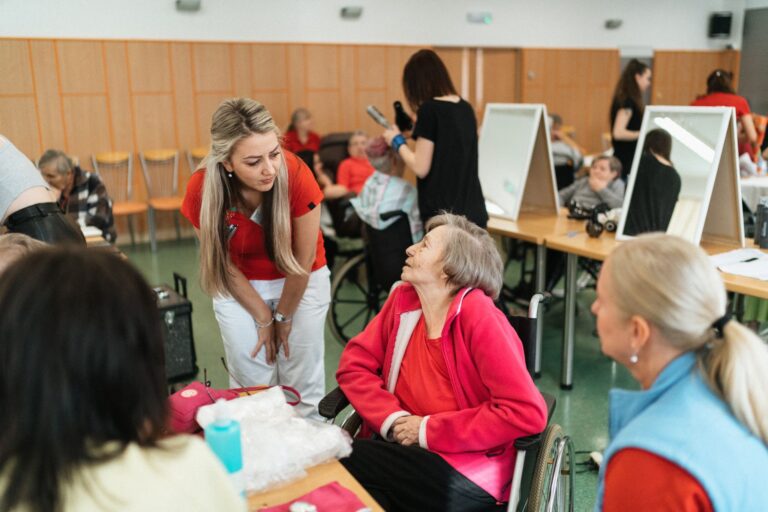
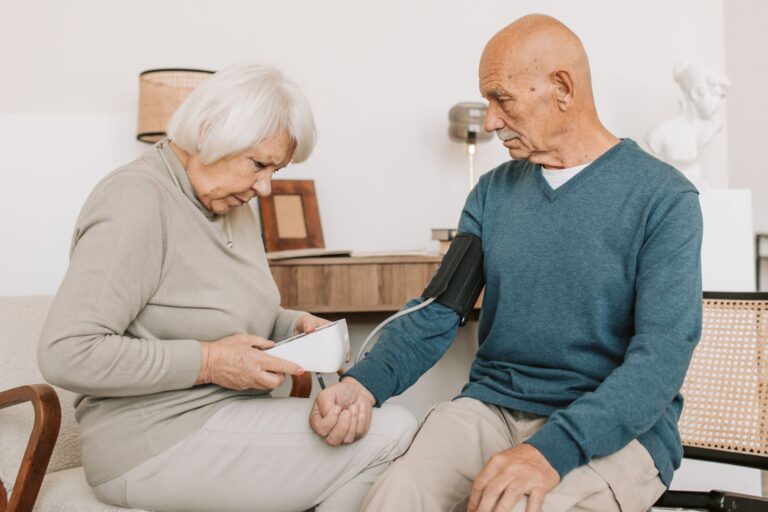
Hotels that welcome guests with dementia need to understand that approximately 57 million people worldwide are currently living with dementia, and nearly 10 million new cases emerge each year. What hotels should know is that these guests and their caregivers still travel—in fact, 15 to 30 percent of global travelers are 60 years or older—and that providing dementia-friendly accommodations is not primarily about expensive renovations. Rather, it requires staff training, thoughtful room design, clear safety protocols, and an understanding that dementia-friendly service begins with awareness of the condition’s progression and how it affects decision-making, memory, and spatial orientation. The core challenge hotels face is that guests with dementia may struggle with disorientation, wandering behavior, and communication difficulties during travel.
Approximately 60 percent of people with dementia will wander at some point during their illness, making property security and staff vigilance essential. Yet research from DePaul University and care organizations consistently shows that hotels serving dementia guests successfully do so by combining practical environmental design—such as secure doors, adequate lighting, and minimal clutter—with trained, compassionate staff who understand how to communicate and respond to behavioral changes. Importantly, the investment in dementia-friendly hospitality yields measurable returns: one prospective cohort study found that travel within the previous two years reduced mortality risk by 36.6 percent in older adults, suggesting that enabling seniors with dementia to continue traveling may extend their lives and quality of life. This makes dementia-friendly hotels not just a niche service but a meaningful contribution to guests’ health outcomes.
Table of Contents
- Who Are Your Dementia Guests and Why They Still Travel?
- Training Your Staff to Recognize and Support Dementia Guests
- Designing Dementia-Friendly Rooms: Beyond Basic Accessibility
- Securing Exits and Preventing Wandering Emergencies
- Supporting Caregivers and Family Members During Their Stay
- Understanding Your Legal Obligations Under Accessibility Standards
- The Measurable Health Benefits of Travel for Dementia Patients
Who Are Your Dementia Guests and Why They Still Travel?
Hotels often assume that guests with advanced dementia don’t travel, but the reality is more nuanced. While the global prevalence of dementia is projected to reach 153 million people by 2050—a tripling from current figures—many people in the early to moderate stages of cognitive decline remain active travelers, often accompanied by adult children, spouses, or professional caregivers. A significant portion of your potential guest base fits this profile: the 60-plus demographic represents 15 to 30 percent of all travelers globally, and many are managing early or moderate dementia without having disclosed it. Wandering is the most urgent safety concern. Approximately 60 percent of people with dementia will wander, sometimes at night, seeking familiar places or responding to confusion about where they are.
A guest may wake at 2 a.m., disoriented by unfamiliar surroundings, and attempt to leave the building to “go home” or find a bathroom. A hotel without secure exit protocols and attentive staff can quickly transition from a simple overnight stay to a missing-person emergency. This is not a rare edge case: caregiver organizations and hotel incident reports consistently document wandering as the primary safety risk during dementia travel. The demographic reality is stark: China alone accounts for 25 percent of the global dementia patient population. As Asian tourism expands and aging populations in developed nations increasingly travel, hotels worldwide will see more dementia guests—whether families disclose the condition or not. The key is to build systems that accommodate both the guest who explicitly mentions dementia at check-in and the family that doesn’t.
Training Your Staff to Recognize and Support Dementia Guests
Research from hospitality experts and care consultants is unequivocal: every hotel manager surveyed indicated that providing tailored services to dementia guests requires professional training for frontline employees and managerial staff. This is not optional. Training must cover disability awareness, sensitivity, understanding different types of dementia—including Alzheimer’s and vascular dementia—proper communication techniques, and mobility assistance. A front-desk clerk who has never received dementia training may misinterpret a guest’s confusion as rudeness, rudeness as agitation, or memory loss as intoxication, leading to confrontation or ejection rather than assistance. The dementia-friendly approach begins with communication. Research emphasizes that dementia-friendly service is not about expensive infrastructure changes—it is about understanding and awareness. Staff should use clear, simple language; face the guest directly; speak slowly and allow processing time; and avoid open-ended questions.
For example, rather than asking “What would you like for breakfast?” a trained staffer might say, “We have eggs or toast. Which one?” Asking “Would you like dinner at 6 p.m. in the dining room?” is more effective than “When would you like to eat?” The difference is profound: the second approach respects cognitive capacity and reduces confusion and anxiety. Guest research indicates that most people with dementia prefer minimal disturbance during stays and request quiet environments with “Do Not Disturb” notices. Housekeeping staff trained in dementia awareness will recognize a DND sign not as laziness but as a request for a calm, secure space. They will knock gently, announce themselves clearly, and keep interactions brief. A single bad interaction—an impatient housecleaner, a loud hallway conversation—can escalate agitation in a guest with dementia for hours. Training creates the muscle memory and empathy to prevent these cascades.
Designing Dementia-Friendly Rooms: Beyond Basic Accessibility
Room design for dementia guests differs from standard accessible-room requirements. The goal is to reduce cognitive load and physical hazards simultaneously. Rooms should feature minimal clutter to reduce fall risks; non-slip flooring in shower areas; and adequate night-time lighting to prevent disorientation. A guest with dementia may not remember where the bathroom is, so a subtle nightlight path, visual markers on doors, and clear signage (not cute or decorative, but legible and direct) make a measurable difference between independence and distress. Bed height is a critical, often-overlooked specification. The top of the mattress should be between 17 and 23 inches from the floor to allow safe wheelchair transfers and prevent guests from feeling trapped or falling backward when sitting.
Rooms should avoid tall, ornate furniture; mirrors can confuse guests who mistake their reflection for another person. Two-bed, one-room arrangements are recommended to allow caregivers to monitor guests effectively without intruding on privacy. A caregiver sleeping in an adjacent room may not wake if their loved one wanders at night; a caregiver in the same room can intervene before the guest reaches an exit. Smaller hotels without extensive corridors are inherently less overwhelming for dementia guests. A sprawling property with maze-like hallways and multiple exits is difficult to secure and disorienting to navigate, even for guests without cognitive impairment. If your hotel has 80 rooms and a corridor that loops back on itself, dementia guests and their families will struggle to find their room after the first night. This is not a financial limitation—it is a property design reality that should inform marketing and staffing decisions rather than architectural changes.
Securing Exits and Preventing Wandering Emergencies
Wandering-related safety requires multiple layers. Secure doors and windows with locks that are difficult for dementia guests to open but accessible to caregivers; visual markers or signage on doors to remind individuals of their location and discourage unsafe exits; and ground-floor rooms or rooms near elevators to limit wandering distance. A guest should not need to navigate three corridors and two staircases to find the main exit, because they likely will not find it, will become more confused, and may push open emergency exits or windows. Pre-arrival communication is essential. When a family books a room and discloses dementia, staff should ask targeted questions: Does your loved one wander? Are they a flight risk? Do they sleep through the night? Do they have communication difficulties? Have a recent photo and medical documents—including emergency contact information and any medications—available at the front desk before check-in. An emergency response plan might include a buddy system or assigned staff monitoring for wandering-prone individuals.
Some hotels have assigned a rotating staff member to check on dementia guests every hour during evening and night hours, a practice that has prevented numerous incidents. If a guest does wander and leave the property, time is critical. You will need identification copies, recent photos, and a clear description to provide to local authorities within minutes. Families often carry recent photos for this exact reason; staff should ask for them at check-in. The alternative—a guest lost in unfamiliar terrain with cognitive impairment and possibly no identification—can end in tragedy. Hotels with strong protocols have prevented these outcomes; hotels without them have faced liability, negative publicity, and guilt.
Supporting Caregivers and Family Members During Their Stay
Caregiving is exhausting, and caregivers traveling with dementia guests are in a heightened state of vigilance. They often do not sleep well because they are listening for their loved one to wake, wander, or call out. Hotels can substantially reduce caregiver stress by checking in frequently—not intrusively, but with genuine offers of support—and asking about staff experience with dementia assistance during booking. Some families will explicitly request a staff member who has worked with dementia guests before; this is a red flag that the family wants partnership, not indifference. Accommodating special requests becomes critical. Dietary needs may be specific because the guest has difficulty swallowing or has lost interest in certain foods.
Flexible check-in and checkout times reduce the stress of rigid scheduling when the guest is having a difficult morning. Some properties offer support groups, social activities, and health activities specifically for dementia guests and their families. If your hotel cannot provide these, knowing local resources—senior centers, support groups, respite care agencies—and providing families with those phone numbers positions you as a partner in their journey, not just a transactional vendor. One underappreciated practice is scheduling dementia-guest stays during off-peak seasons. Fewer guests mean fewer loud hallways, less commotion, and more staff availability for attention and monitoring. A family that requests a Thursday-night stay in February instead of a Saturday night in July is often a family managing dementia, whether they disclose it or not. Staff-to-guest ratios drop during low seasons, allowing your team to provide the kind of attentive, personalized service that dementia guests need.
Understanding Your Legal Obligations Under Accessibility Standards
Hotels have concrete ADA requirements that intersect with dementia-friendly design. Properties with 51 to 75 guest rooms must provide a minimum of 5 rooms with mobility features (wheelchair-accessible pathways, ramps, elevators, designated parking) and 7 rooms with communication features (TTY devices, closed captioning on televisions, braille or large-print materials). These are legal minimums, not recommendations. Failure to meet them exposes you to complaints, investigations, and potential litigation. However, ADA standards alone do not constitute dementia-friendly hospitality. A room can be wheelchair-accessible and still disorienting to a guest with dementia.
Conversely, a hotel that exceeds ADA minimums—offering quiet floors, limited-access areas, nature views, and consistent wayfinding—serves dementia guests far better than a hotel meeting only legal thresholds. The law ensures basic access; thoughtful design enables dignity and safety. Your liability also extends to negligence claims if a guest with dementia wanders, is injured, or goes missing. Hotels have faced lawsuits for failing to provide adequate supervision, failing to secure exits, or failing to respond appropriately when families disclosed cognitive concerns. Documentation matters: record any dementia disclosures at check-in, document staff briefings, and maintain logs of safety checks. This creates a record that you took reasonable precautions, protecting your business and your guests.
The Measurable Health Benefits of Travel for Dementia Patients
One of the most compelling findings for hotel owners is that travel directly improves health outcomes. Research published in peer-reviewed journals shows that travel within the previous two years reduced mortality risk by 36.6 percent in older adults, a statistic that goes far beyond marketing appeal—it demonstrates that your service is literally life-extending. Tourism experiences can lessen symptoms of cognitive impairment, and positive emotions during travel may play significant roles in cognitive improvement. This is not theoretical. A 78-year-old with early Alzheimer’s who travels to visit family experiences cognitive stimulation, social engagement, and emotional reward. These factors are associated with slower cognitive decline compared to seniors who remain isolated at home.
Families often report that their loved one is more alert, more communicative, and happier after a trip. Hotels that enable this travel—by providing safe, welcoming environments for guests with dementia—are not merely offering hospitality. They are participating in medical outcomes that matter. The implication for your business model is significant: dementia-friendly hotels can market to a growing, underserved demographic with genuine, evidence-based health benefits. You are not selling a room; you are selling an experience that extends life and preserves dignity. That message resonates deeply with adult children coordinating travel for aging parents, with spouses managing early cognitive decline, and with professional caregivers seeking reliable partners. As dementia prevalence rises and the 60-plus travel demographic expands, hotels that proactively prepare for dementia guests will capture market share, reduce incidents, and contribute meaningfully to guests’ health and wellbeing.
- —