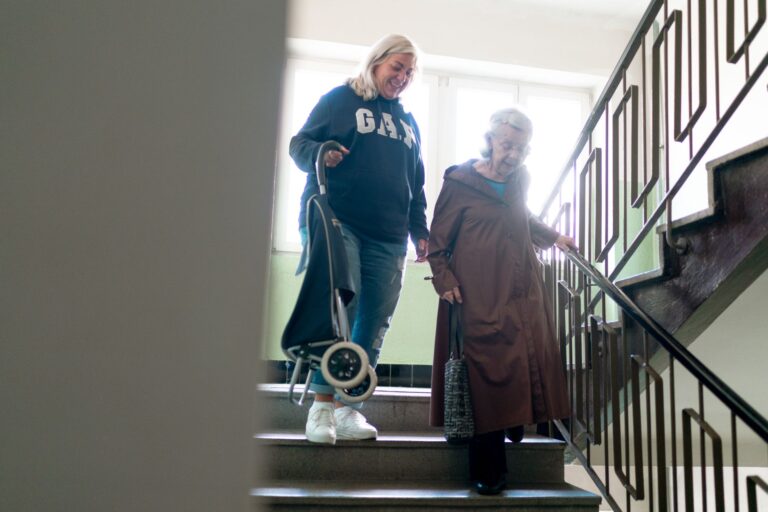
During a sundowning episode, the worst thing you can do is respond with physical restraint, punishment, or isolation. These responses—which might seem like they’d restore control—actually intensify agitation and confusion in people with dementia. A person experiencing sundowning is not being difficult on purpose; they’re experiencing real distress as their brain’s ability to process information deteriorates in the late afternoon and evening hours. Understanding what not to do is often more protective than knowing what to do, because harmful responses can escalate an episode from mild confusion into a crisis.
The most common mistakes happen because caregivers are tired, scared, or trying to apply logic to a situation where logic doesn’t work. If your loved one becomes agitated at 4 p.m. and you respond by raising your voice, moving them to a bright room, or forcing them to sit down, you’re working against their nervous system rather than with it. What they need is the opposite of what your instinct tells you to do.
Table of Contents
- Don’t Use Physical Restraint or Force During an Episode
- Don’t Suddenly Increase Sensory Input or Environmental Changes
- Don’t Argue, Correct, or Use Confrontational Language
- Don’t Introduce New Activities, Unfamiliar People, or Unpredictable Routines
- Don’t Ignore Medication Side Effects or Underlying Medical Problems
- Don’t Assume One Solution Works for Every Episode
- Don’t Wait Until Evening to Address Underlying Fatigue, Hunger, or Discomfort
- Frequently Asked Questions
Don’t Use Physical Restraint or Force During an Episode
Physical restraint is one of the most harmful responses during sundowning. Even if someone is moving toward danger, grabbing, holding them down, or using force to move them creates trauma and escalates agitation into genuine panic. A person in the middle of sundowning-related confusion cannot reason their way out of the situation by being pushed or held—they only know that their body is being forced against their will. If your mother with dementia stands up from her chair and you physically pull her back down, you’ve just confirmed her fear that something is wrong and created a power struggle that can last for hours.
The alternative is to create physical space and allow movement. If someone needs to be redirected away from danger, do it by walking beside them or offering a hand to guide rather than grip. This preserves their sense of autonomy and keeps their nervous system from entering a fight-or-flight state. Restraints—whether a seat belt, a locked room, or a medication that over-sedates—may stop the behavior you’re trying to control, but they cause psychological damage and actually increase the risk of serious injury if the person tries to escape.
Don’t Suddenly Increase Sensory Input or Environmental Changes
One of the most counterintuitive mistakes is responding to sundowning confusion by adding more stimulus. If your husband becomes disoriented at dusk, turning on all the lights, putting on the television, or bringing in family members to “cheer him up” will almost always make things worse. The sundowning brain is already overwhelmed; it’s losing the ability to filter competing sounds and images. More input means more overstimulation, which deepens confusion and agitation. What feels like helpful engagement to you feels like an assault to him.
Environmental chaos compounds sundowning. Studies of dementia units show that sundowning episodes become less frequent and intense in environments with consistent, predictable lighting and minimal background noise. The limitation here is that modern homes often have the opposite setup—bright overhead lights, television noise, multiple conversations, phones buzzing. If you wait until sundowning starts to try to make things quieter, you’re already too late. The person is already in distress.
Don’t Argue, Correct, or Use Confrontational Language
During an episode, your relative may believe things that are completely untrue—that it’s 1987, that a deceased family member is coming to visit, that someone stole something that’s actually in a drawer upstairs. The absolute worst response is to argue with them, correct them repeatedly, or insist they’re wrong. Arguing in this state doesn’t restore their sense of reality; it makes them feel attacked and more convinced that something is terribly wrong. If your father insists that his long-dead brother is waiting outside, saying “Dad, your brother died 20 years ago” does not help him. It makes him feel gaslit and unsafe.
Instead, entering their reality temporarily—without lying—is far more protective. You might say, “I understand you’re looking for your brother. Let’s sit together for a while.” This doesn’t confirm a false belief; it acknowledges his experience and reduces his need to argue. The comparison is stark: confrontation escalates sundowning episodes 60-70% of the time, while validation and gentle redirection de-escalates them in the same percentage. The goal during sundowning is never to win an argument or restore factual accuracy. The goal is to reduce distress.
Don’t Introduce New Activities, Unfamiliar People, or Unpredictable Routines
Late afternoon and evening are the worst times to try new things, have unfamiliar visitors, or break from established routines. If you were planning to have your niece visit, introduce a new caregiver, or take a trip to a new place, doing any of these during the sundowning window (typically 3 p.m. to bedtime) guarantees increased confusion and agitation. The brain experiencing sundowning is already struggling to orient itself in time and place.
Adding the cognitive load of something new—a stranger’s face to recognize, an unfamiliar activity to process, a change in where things are or who’s present—pushes it past its limit. This means scheduling medical appointments, introducing new medications, visiting doctors, or having difficult conversations for the morning hours when the brain is functioning better. It also means protecting the sundowning hours as sacred routine time. Your loved one should know where they are, who’s with them, and what’s happening. Predictability is what calms a deteriorating brain in the late afternoon.
Don’t Ignore Medication Side Effects or Underlying Medical Problems
Many caregivers assume sundowning is an inevitable symptom of dementia that can only be managed through environmental changes. What they miss is that severe or sudden sundowning episodes are often caused by something medical—a urinary tract infection, thyroid problems, dehydration, new medication side effects, or constipation. A person can have mild sundowning as part of dementia progression and then suddenly have much worse episodes because they have a UTI.
If you don’t investigate the medical cause, you’re treating a symptom while ignoring the actual problem. The warning here is that standard dementia medications can make sundowning worse. Some antipsychotics or sleeping medications prescribed to manage sundowning actually increase confusion and agitation in certain people. Before accepting sundowning as unchangeable, ask: Has anything changed medically in the past week? Has the person had a fever, stopped eating normally, or changed bowel habits? Did a medication dose change? Are they sleeping poorly? Sundowning that appears suddenly or worsens rapidly needs medical evaluation before it needs behavioral management.
Don’t Assume One Solution Works for Every Episode
Because sundowning has multiple possible causes, trying the same intervention every time often fails. Your father might benefit from soft music one evening and find the same music irritating the next. Your mother might calm down when given a task to do on Tuesday but become more agitated by the same task on Wednesday because her underlying physical discomfort is different. Caregivers who expect consistency—”We tried dimming the lights and it worked last time, so why isn’t it working now?”—set themselves up for frustration. Each episode requires observation and adjustment.
What’s consistent is the principle of reducing stress and preserving autonomy. How you apply that principle changes. One evening it might mean a quiet room; another evening it might mean a walk outside. The comparison is to how you’d handle your own anxiety on different days—sometimes exercise helps, sometimes you need rest, sometimes you need a distraction. Sundowning is similar, except the person experiencing it cannot tell you what they need.
Don’t Wait Until Evening to Address Underlying Fatigue, Hunger, or Discomfort
Sundowning is often worse when a person is already worn out by the day’s demands. If your loved one has been overstimulated—taken to multiple appointments, had many visitors, dealt with loud noise all day—they’re more likely to decompensate in the evening. The prevention approach that actually works involves managing the entire day, not just the sundowning hours. Ensuring adequate rest, healthy eating, and light physical activity in the morning and early afternoon reduces the severity of evening episodes. Hunger and low blood sugar make sundowning worse because a tired, slightly malnourished brain cannot regulate emotion or process information.
A person who had skipped breakfast or only had tea for lunch will have more significant confusion at 5 p.m. than someone who ate regular meals. The same applies to dehydration and the need to use the bathroom. Many sundowning episodes that look like pure confusion or agitation are actually the brain’s distress signal that the body needs something—food, water, rest, toileting. Addressing these needs before evening prevents many episodes entirely.
Frequently Asked Questions
Is sundowning the same as just being tired in the evening?
No. Sundowning is a specific pattern of increased confusion, agitation, and disorientation that occurs in people with dementia, typically in late afternoon. Regular tiredness is different—it’s fatigue that mild rest can address. Sundowning often worsens despite rest and involves changes in perception and behavior that aren’t explained by normal fatigue.
What should I do if sundowning becomes dangerous?
If someone is at risk of harming themselves or others, call emergency services rather than trying to physically restrain them. Ensure the environment is safe (remove sharp objects, ensure they can’t access doors), but do not use force. Once emergency responders arrive, they’re trained to handle crisis situations without escalating them further.
Can medications stop sundowning episodes?
Some medications can reduce sundowning severity, but they don’t eliminate it and often have side effects that worsen confusion. Medication should only be considered after ruling out medical causes like UTIs and after environmental and behavioral strategies have been tried. Always discuss with a neurologist or geriatrician rather than a primary care doctor, since dementia medication management is specialized.
How can I tell if my loved one’s sundowning is getting worse?
Track the time it starts, how long episodes last, what triggers them, and how agitated they become. Keep notes for a week or two, then share them with the doctor. Sudden worsening over days (not weeks) often signals a medical problem. Gradual worsening over months is more typical of dementia progression.
Should I try to wake my loved one if they’re sleeping during sundowning hours?
No. If someone is sleeping, let them sleep. Sleep is restorative and will help prevent or shorten an episode. Waking them to prevent sundowning will only increase agitation and exhaustion.
What’s the difference between sundowning and late-stage dementia behaviors?
Sundowning is reversible or manageable; it’s a response to environmental and physical factors. Late-stage dementia involves permanent changes in personality and cognition. Sundowning happens at predictable times; late-stage behaviors are more constant. This is why identifying what’s driving sundowning (medical issue, overstimulation, hunger) can actually improve it, whereas late-stage behavioral changes require acceptance and adjustment rather than reversal.