Yes, music can significantly help reduce agitation in dementia patients. Research and clinical experience consistently show that music has a calming effect on people with dementia, even those in advanced stages of the disease. A person with Alzheimer’s who becomes increasingly combative during evening hours might shift from aggressive behavior to stillness and even smiling when familiar songs play in the background—not because the music changes their cognitive state, but because it bypasses damaged language and memory centers to access emotional responses that remain intact.
The effect isn’t magical or universal, but it’s measurable and well-documented. Neuroimaging studies show that music activates different brain regions than language or logic do, which is why someone who can no longer speak their own name might sing along to a song from their youth. Dementia damages many pathways in the brain, but the musical pathways persist longer than others, making music one of the most reliable non-pharmaceutical tools for managing the behavioral and psychological symptoms of dementia.
Table of Contents
- How Does Music Calm Agitation in Dementia Patients?
- Types of Music That Work Best for Dementia Agitation
- Music Memory vs. Semantic Memory in Dementia
- Building a Music Program That Actually Works
- When Music Doesn’t Work and Important Limitations
- Active Music Making vs. Passive Listening
- Practical Implementation in Home and Care Settings
- Frequently Asked Questions
How Does Music Calm Agitation in Dementia Patients?
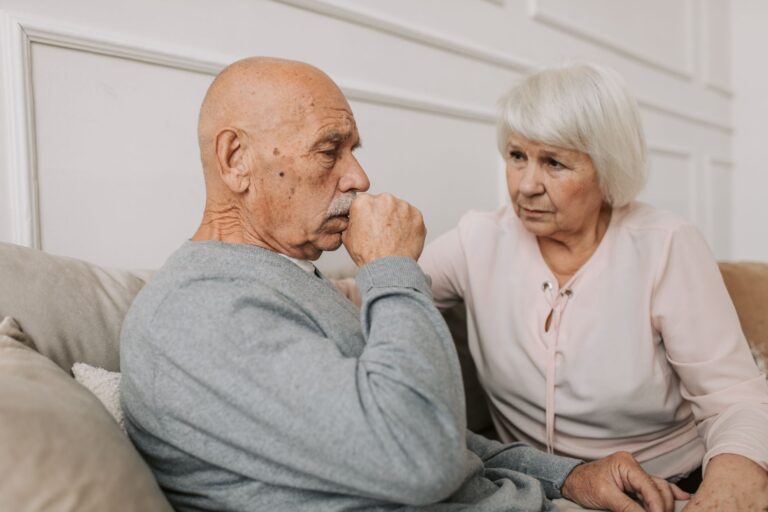
Agitation in dementia typically stems from fear, confusion, pain, overstimulation, or the inability to communicate needs. A person with dementia may not understand where they are or why a caregiver is helping them with personal care, and that confusion triggers a fight-or-flight response. Music works by providing a familiar, non-threatening sensory anchor that quiets the threat response. It doesn’t fix the confusion, but it shifts the emotional temperature from fear to engagement. The mechanism involves both the brain’s emotional centers (which remain relatively preserved in dementia) and the autonomic nervous system.
Slow, familiar music reduces cortisol levels, slows heart rate, and lowers blood pressure—physiological changes that happen regardless of whether the person consciously remembers the song. A caregiver might put on soft piano music before attempting a difficult task like bathing, which may reduce physical resistance and make the interaction less stressful for both parties. Studies show that patients receiving music before or during medical procedures require less sedation and show fewer behavioral problems than those without it. The effect depends partly on timing and context. Music introduced when someone is already in full crisis is less effective than music used proactively, earlier in the day or before known difficult moments. Once agitation is severe, the person may not be able to focus on the music at all.
Types of Music That Work Best for Dementia Agitation
Music that worked during the person’s younger years—their “preferred music era”—tends to be most effective, because it connects to deeply encoded autobiographical memories. A person who grew up in the 1950s may respond better to swing or early rock and roll, while someone from the 1980s may respond to pop or new wave, regardless of whether they consciously remember those songs. There’s a reason personalized playlists work better than generic “dementia music” albums; generic classical or ambient music can soothe some people but leave others indifferent or even agitated. The tempo and lyrics matter too. Slower tempos (60–80 beats per minute) are generally more calming than fast, energetic music.
Instrumental versions often work better than versions with lyrics, especially if the lyrics are complex or emotionally charged. However, some people respond better to familiar songs with vocals because the voice itself—even if they don’t remember the words—feels emotionally safe. A person might not recognize their own child, but they’ll relax when they hear Ella Fitzgerald if Ella was part of their home life. One important limitation: loud volume and sudden transitions between songs can trigger agitation rather than reduce it. A caregiver playing music at high volume, or jumping from loud rock to silence, might spike distress. Music should be background-level and consistent, with gradual fades between songs rather than abrupt stops.
Music Memory vs. Semantic Memory in Dementia
Dementia typically damages semantic memory (facts and general knowledge) before it severely damages emotional and autobiographical memory. This means a person might not know their own age or the current year, but they’ll respond emotionally to a song that played on their wedding day or at a graduation. Music accesses different memory systems than words do, which is why it can reach people whose language is nearly gone.
A wife may sit with her husband in late-stage dementia who no longer speaks or recognizes her. When she plays their song from their first dance, he may begin to sway, hum, or make eye contact for the first time in days. He’s not recovering his cognitive function, and he probably won’t retain the memory after the music stops, but in that moment, the emotional memory is real and the connection is real. This is why music therapy is often framed not as a treatment that fixes dementia, but as a tool that creates moments of connection and reduces suffering.
Building a Music Program That Actually Works
An effective music program starts with gathering information: What music did this person listen to in their 20s and 30s? Do they have favorite artists, songs, albums? Family members often know this better than anyone. The goal is to build personalized playlists, not assume that all dementia patients respond to the same songs. A person might have 4–6 primary songs that reliably calm them, plus another 10–15 songs in rotation. Timing and consistency matter more than playlist size. Playing music for 30 minutes each afternoon during the predictably difficult “sundowning” window is more effective than randomly playing music whenever someone becomes upset.
Music therapy works best as routine prevention, not emergency intervention. Some care facilities use music during morning routines (getting dressed, showering) to reduce resistance and make tasks faster and less combative for both staff and resident. The tradeoff is that this requires time investment upfront. Family members must identify the music, someone must load it onto a device or service, and staff or caregivers must remember to play it consistently. In facilities with heavy staffing constraints, this often falls short because there’s no dedicated person assigned to manage the routine. At home, a caregiver managing multiple responsibilities might forget to start the music before the difficult moment arrives, reducing its effectiveness.
When Music Doesn’t Work and Important Limitations
Music is not a universal solution and does not work for everyone. Some people with dementia show no response to music, or even negative responses—a person with a history of hearing loss, tinnitus, or sensory sensitivities might find music distressing rather than soothing. Similarly, some people have cultural or religious backgrounds where certain types of music were forbidden or associated with negative experiences, which can trigger agitation rather than calm. Hearing loss is a major limitation that many caregivers overlook. A person with moderate to severe hearing loss won’t benefit from music unless the volume is loud enough to hear it clearly—but too much volume can itself become overstimulating.
Hearing aids or headphones may help, but they add complexity and rely on the person tolerating the device. A person with dementia may remove headphones because they’re uncomfortable or confusing, or resist hearing aids because they feel like a foreign object. Another important caveat: music can reduce agitation, but it doesn’t address the underlying cause. If someone is agitated because they need the bathroom, music might mask the agitation temporarily, but the person still needs toileting care. If pain is driving the agitation, music alone won’t resolve it. Music is a management tool, not a replacement for addressing physical needs, medical problems, or environmental stressors.
Active Music Making vs. Passive Listening
Passive listening—playing music in the background—is the most practical approach in most settings and does provide documented benefits. But some research suggests that active music engagement, where the person participates (singing, moving, playing a simple instrument) produces stronger effects on agitation and mood. A person might not sing along to a full song, but they might hum the chorus, clap along to the beat, or sway—and those forms of participation seem to deepen the calming effect.
A music therapist working with a person with dementia might use call-and-response singing, hand drumming, or movement to music, creating a structured, interactive session. This is more resource-intensive than pressing play on a speaker, but for people in residential settings where trained staff are available, it can be worth the effort. The downside is that active music therapy requires training to do well—an untrained person trying to lead singing might create confusion or frustration if the person doesn’t understand what’s being asked of them.
Practical Implementation in Home and Care Settings
Getting music into regular use requires removing barriers. Many families create a single playlist on a phone or tablet, label it clearly (e.g., “Mom’s Calming Music”), and leave it accessible in the person’s room or main living area. Some caregivers print out the playlist so staff in a facility know exactly what songs to play and in what order. Others use voice-activated devices (like Alexa) so a caregiver doesn’t have to fumble with technology during a crisis—they can simply say the command.
Documenting what works is critical. If staff note that certain songs consistently calm a person, or that music during specific times of day prevents agitation, that information should be recorded in the person’s care plan so all caregivers know. Without documentation, knowledge disappears when a caregiver leaves or a shift changes. A person might respond beautifully to their favorite songs, but if the next caregiver doesn’t know this, they won’t use the tool, and the benefit is lost.
Frequently Asked Questions
Does the person with dementia have to remember the song for music to help?
No. Even when someone can’t consciously recall a song, their brain still processes it emotionally and physiologically. The calming effect works through emotion and the nervous system, not through conscious memory.
What volume should music be played at?
Music should be at background level—loud enough to hear clearly, but not so loud it becomes overstimulating. The exact level depends on the person’s hearing ability and sensitivity. Sudden loud music can trigger agitation rather than calm it.
How long does the calming effect last after the music stops?
Effects vary by person. Some people remain calm for 15–30 minutes after music stops, while others return to agitation quickly once the music is no longer present. This is why consistent, routine use is more effective than one-off music sessions.
Can I use any kind of music, or does it have to be “classical” or “healing” music?
Personal preference is the strongest predictor of effectiveness. If someone loved rock music in their younger years, rock will likely work better than classical. Generic “dementia music” or “therapeutic” playlists often underperform compared to music from the person’s own era.
What if my family member has hearing loss?
Hearing aids or headphones can help, but some people with dementia won’t tolerate them. You may need to play music at a higher volume, use a hearing loop system, or position a speaker closer to the person. If hearing loss is severe, music’s effectiveness may be limited.
Should I play music all day, or at specific times?
Scheduled, routine use during predictably difficult times (like afternoon agitation or before caregiving tasks) is more effective than constant background music, which can become tuned out or overstimulating. Most research supports 30 minutes to 1 hour of targeted music during high-risk times.