Yes, social activity can meaningfully help dementia symptoms, though not by curing or reversing the disease itself. Research consistently shows that people with dementia who maintain regular social contact experience slower cognitive decline, reduced behavioral symptoms like agitation and depression, and better quality of life overall. A person with mild cognitive impairment who joins a weekly discussion group, for example, often shows better memory performance and emotional stability than someone who becomes isolated—not because the group treats dementia, but because social engagement activates neural pathways, reduces stress hormones, and provides cognitive stimulation that slows deterioration.
The effect is measurable but real: people who lack social engagement decline faster on cognitive tests and develop behavioral changes more rapidly. Social activity doesn’t stop dementia’s progression, but it appears to slow it and buffer against some of the emotional and psychological symptoms that dementia creates. This makes social engagement one of the few non-pharmaceutical interventions with strong evidence behind it.
Table of Contents
- How Does Social Engagement Slow Cognitive Decline in Dementia?
- The Brain’s Response to Social Connection in Dementia
- Types of Social Activities That Show Promise
- Structuring Social Activities for Maximum Benefit
- Challenges and Limitations of Social Engagement in Advanced Dementia
- The Role of Familiar People and Established Relationships
- Measuring Improvement and Managing Expectations
How Does Social Engagement Slow Cognitive Decline in Dementia?
Social interaction triggers multiple cognitive processes simultaneously—memory recall, language production, emotional recognition, and attention. When a person with dementia engages in conversation, they’re exercising these exact neural systems that the disease damages. Studies show that people with mild to moderate dementia who participate in group activities score higher on cognitive tests six months later than matched controls who don’t, even controlling for other activities like reading or puzzle-solving. The effect isn’t large—we’re not talking about preventing decline, but rather reducing the rate of decline by an estimated 20 to 30 percent in some studies. The mechanism likely involves both the cognitive workout and the stress reduction.
Dementia creates sustained anxiety and social stress; isolation amplifies it. When someone with dementia has regular social contact, their cortisol levels (a marker of chronic stress) tend to be lower, and behavioral symptoms like agitation and aggression decrease accordingly. A person with mid-stage dementia who attends a twice-weekly social program often requires fewer behavioral medications than an isolated peer, partly because the activity itself calms anxiety rather than leaving anxiety to build unchecked. One important limitation: this benefit applies mainly to people with mild to moderate dementia. By late-stage dementia, when verbal communication is largely gone, the cognitive benefit of group conversation becomes minimal—though the emotional comfort of familiar presence may still matter.
The Brain’s Response to Social Connection in Dementia
Neuroimaging studies show that social activity activates multiple brain regions in people with dementia—not just the memory and language centers damaged by the disease, but also the emotional and reward regions. These activations happen even when the person forgets the conversation afterward, suggesting that the brain’s response to social connection operates partly below conscious awareness. When someone with dementia interacts with another person, their brain releases dopamine and activates social-bonding neural networks, creating an experience of connection that can persist as a feeling even if the specific memory fades.
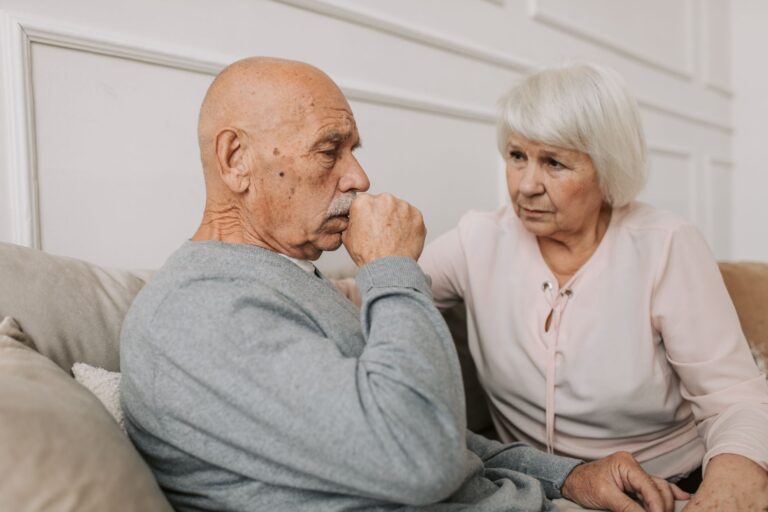
This creates a peculiar situation: a person with advanced Alzheimer’s may not remember a visitor from moment to moment, but they often feel calmer and more engaged during the visit itself, and that emotional state can persist for hours afterward. However, the effect isn’t cumulative in the way we might hope—if social activity only produces immediate-term emotional benefits without building long-term memories, then weekly visits might feel fresh and comforting each time, but they don’t create the kind of sustained memory improvements that make someone feel more “themselves” over time. The warmth is real; the cognitive rescue is limited once memory loss becomes severe.
Types of Social Activities That Show Promise
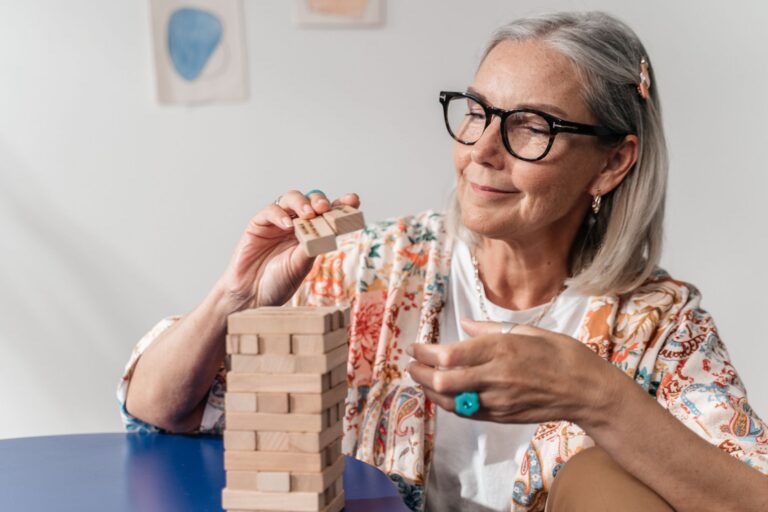
Group-based programs specifically designed for people with dementia tend to outperform unstructured social time. Programs like dementia cafes, memory clubs, and structured group therapies create a contained environment where the cognitive and emotional demands are calibrated to the person’s abilities. These activities typically involve conversation, simple games, music, or art—things that engage the person without overwhelming them. A study following people in a structured weekly memory club found that participants showed better mood scores and slightly slower cognitive decline than a matched control group over a year.
One-on-one visits with familiar people—family, close friends, or a regular volunteer—also provide documented benefit, though through a different mechanism. The presence of someone familiar activates autobiographical memory and reduces anxiety more powerfully than interaction with strangers. A person with moderate dementia having a one-on-one conversation with an adult child will likely engage more actively and feel more grounded than in a group of new faces, even though the cognitive demands are lower. More casual activities—sitting in a common area, watching other people, even just being present while others talk—produce smaller benefits but still measurable ones. The key difference is that truly passive isolation (alone in a room for hours) shows the worst outcomes, while any form of meaningful contact shows some protective effect.
Structuring Social Activities for Maximum Benefit
The ideal frequency and duration seem to matter. Studies suggest that weekly or twice-weekly social contact produces better outcomes than sporadic contact, but daily activities aren’t necessarily better than twice-weekly if quality is lower. A person attending a high-energy group twice a week may show more benefit than someone in a lower-quality daily program because engagement quality and appropriateness to the person’s cognitive level drive the effect more than frequency alone.
The tradeoff is between accessibility and quality. A daily drop-in program at a community center is easy to attend consistently, but if it’s designed for general older adults rather than specifically for dementia, the person may feel lost or frustrated. A specialized dementia memory clinic that meets once a week might be harder to access but provide better cognitive match and less frustration. For people in early stages, the weekly specialized group often works better; for late-stage dementia, consistent low-key presence (like a daily visit from a family member or in-home aide) may matter more than the cognitive demands of the activity itself.
Challenges and Limitations of Social Engagement in Advanced Dementia
As dementia progresses, the types of social activity that work shift dramatically. Group activities that work well for mild-to-moderate dementia often become distressing in late stages—loud group settings, complex conversations, or activities requiring sustained focus can trigger anxiety and agitation. A person comfortable in a memory club at month six may become confused and upset by the same setting at month eighteen.
This requires continuous adjustment of activities rather than finding a one-size-fits-all solution. There’s also a limit to how much social activity can compensate for biological decline. If someone has significant vascular dementia, structural brain damage, or late-stage Alzheimer’s, social activity might improve mood and reduce behavioral symptoms, but it won’t reverse cognitive loss. Some family members experience disappointment when increased social engagement doesn’t produce the cognitive improvement they hoped for—it’s important to understand that the goal is slowing decline and improving quality of life, not recovery.
The Role of Familiar People and Established Relationships
The identity of the social contact matters more than many realize. A person with moderate dementia often responds more positively and engages more actively with someone they have a long history with—an adult child, longtime friend, or familiar aide—than with new volunteers or strangers, even if those strangers are trained in dementia care.
This reflects how dementia preserves procedural and emotional memory longer than fact-based memory; the feeling of familiarity and comfort persists even when the person can’t recall the specific relationship. Regular volunteers or staff who become familiar faces over months also provide this benefit. A person with dementia who sees the same volunteer or activity coordinator twice a week for six months will often recognize them by face and manner even if they can’t remember their name, and that recognition creates a sense of safety that enhances engagement.
Measuring Improvement and Managing Expectations
Improvement in dementia care through social engagement shows up in places clinicians actually measure: cognitive test scores (though modest), behavioral symptoms (often meaningful), mood and anxiety levels, medication requirements, and caregiver stress. A person’s Mini-Cog score—a quick cognitive screening test—might improve slightly from 4/12 to 5/12 after months in a structured program, which is clinically meaningful in dementia terms since decline is the default trajectory. More noticeably, aggressive outbursts or nighttime agitation often decrease with regular social engagement and reduced isolation, sometimes dramatically enough that family caregivers report their relative is “more like themselves again.” These improvements are real but uneven.
Some people respond strongly; others show little change. A person’s baseline personality, the type and stage of dementia they have, and the quality of the specific activity all influence the outcome. Regular monitoring through caregiver report and simple cognitive screening (not expensive neuropsych testing) helps determine whether a particular activity or program is actually helping or simply consuming time and energy.