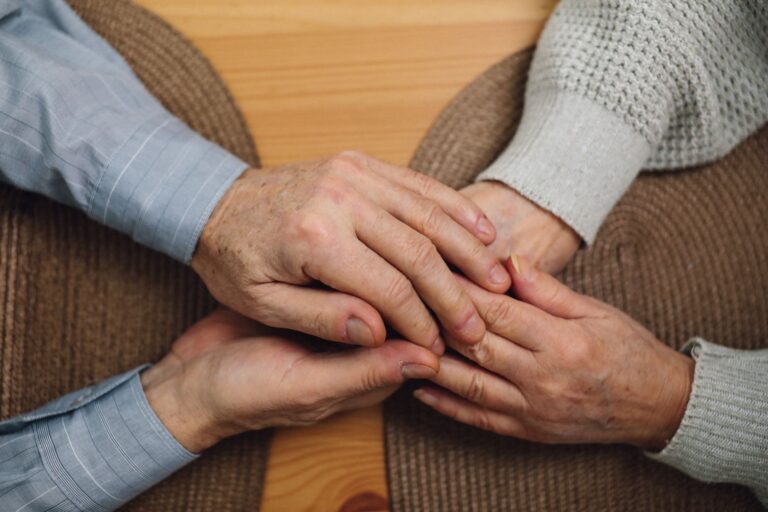
When the brain forgets how to communicate, the results can be both sudden and devastating. A person who was fluent and articulate one moment may struggle to find words, understand speech, or express themselves the next. This happens when damage to the brain—from a stroke, traumatic injury, or degenerative disease—disrupts the neural networks that govern language. Imagine someone who has spoken fluently for seventy years, then wakes after a stroke unable to say their spouse’s name, though they recognize them instantly. That person is living with aphasia, a language disorder that affects approximately 2 million people across the United States alone.
The brain’s language centers, typically located in the left hemisphere, orchestrate both the understanding and production of speech with remarkable precision. When these areas are damaged, the result isn’t always complete silence or confusion. Sometimes a person can speak but cannot understand others. Sometimes they understand everything but cannot retrieve the words they want to say. The type and severity of communication loss depends entirely on which parts of the brain were injured and how extensively. What unites all these experiences is the frustration of knowing what you want to communicate but being unable to do so—a profound disconnect between mind and voice.
Table of Contents
- How Common Is Communication Loss After Brain Injury?
- What Happens Inside the Brain When Communication Fails?
- What Types of Communication Disorders Develop After Brain Damage?
- What Recovery Can Someone With Aphasia Actually Expect?
- What Barriers Exist to Accessing Effective Treatment?
- What Role Do Brain-Computer Interfaces Play in Rehabilitation?
- How Does the Family Adapt to Communication Change?
How Common Is Communication Loss After Brain Injury?
Aphasia is far more prevalent than most people realize, largely because it doesn’t always get diagnosed or discussed. Of every four adults who will have a stroke in their lifetime, one in three stroke survivors will develop aphasia or another communication disorder. This translates to enormous numbers of people navigating life with communication challenges that may persist for months or years. The prevalence varies depending on the type of brain injury. Approximately 80 to 90 percent of aphasia cases result from left-hemisphere brain damage, while 10 to 20 percent originate in the right hemisphere, which typically handles tone, emotion, and context in speech.
Beyond stroke, other causes include traumatic brain injury, brain tumors, and neurodegenerative conditions like primary progressive aphasia. Research shows that two-thirds of people with acquired brain injury develop a cognitive-communication disorder—a broader category that includes difficulties with attention, memory, and social conversation alongside language itself. What’s important to understand is that prevalence statistics only capture diagnosed cases. many people experience mild communication difficulties after a brain injury and never seek evaluation, meaning the true number of affected individuals may be considerably higher. Some people adapt so well with coping strategies that their struggle becomes invisible.
What Happens Inside the Brain When Communication Fails?
The left hemisphere contains the language centers most critical to speech and understanding: Broca’s area, which governs speech production, and Wernicke’s area, which processes language comprehension. When a stroke or trauma damages these regions, the pathways connecting them and other parts of the brain become disrupted. Recent research from Stanford University, published in February 2026, revealed that after a stroke, the brain spends insufficient time processing individual sounds in words, making it substantially harder to understand spoken speech even when hearing is intact. This isn’t simply about losing vocabulary or “forgetting” words the way someone might misremember a name. The injury disrupts the temporal precision of how the brain processes language—the timing and sequencing of neural signals that allow someone to perceive and produce speech.
A person might hear the word “cat” but their damaged language centers cannot execute the quick, coordinated firing patterns needed to match that sound to its meaning. Imagine if every word you heard arrived scrambled, requiring intense effort to decode. The limitation of current imaging is that doctors can’t always predict which specific language abilities will be lost based on the stroke’s location alone. Two people with seemingly identical lesions can experience different communication profiles. This variability means recovery plans must be individualized, and families should resist assuming they understand exactly what their loved one can or cannot do based on the neurological injury alone.
What Types of Communication Disorders Develop After Brain Damage?
Aphasia is the most well-known language disorder following stroke, but it’s not the only one. Dysarthria occurs when the muscles controlling speech—the lips, tongue, vocal cords—become weakened or poorly coordinated due to brain damage. A person with dysarthria may have all their language intact but sound slurred, slow, or unclear, like someone speaking through a thick fog. Apraxia of speech is different still: the person knows what they want to say, their language centers are intact, but the motor planning required to produce speech is disrupted, so words come out jumbled or in the wrong order. In clinical practice, patients often experience combinations of these disorders.
Someone might have both aphasia and dysarthria, or aphasia and apraxia. The overlapping symptoms can make initial assessment challenging even for experienced speech-language pathologists. A person who struggles to produce speech might actually be dealing with a motor problem (dysarthria), a language problem (aphasia), or a motor-planning problem (apraxia)—or all three simultaneously. The right hemisphere also plays a crucial role in communication, though its contribution is different. It handles prosody (the rhythm and intonation of speech), emotional tone, sarcasm, metaphor, and the interpretation of context. Right-hemisphere damage can leave someone with technically grammatical speech that lacks the emotional expression and flexibility that makes conversation natural and nuanced.
What Recovery Can Someone With Aphasia Actually Expect?
Recovery from aphasia is possible, though it requires realistic expectations. Seventy percent of patients with aphasia show measurable improvement with intensive therapy delivered at a frequency of 20 to 30 sessions per week. Among those who receive intensive treatment, approximately 30 percent achieve full communication recovery, while 50 percent achieve partial recovery sufficient to enable community reintegration—working, maintaining friendships, living independently. These outcomes underscore the importance of early, aggressive rehabilitation. The timing of recovery follows patterns that therapists have documented across thousands of cases. The greatest gains typically occur in the first three months after stroke, a window sometimes called the “acute recovery phase.” However, language improvement can continue for years with consistent therapy, defying the old belief that recovery plateaus after six months.
Individual variations are enormous: some people regain most abilities within weeks, while others require years of sustained effort to achieve even partial recovery. Comparison matters here: recovery from aphasia is more variable than recovery from, say, a simple fracture. No two cases progress identically. Someone might recover comprehension perfectly but retain severe speech difficulties, or vice versa. Families often struggle with this unpredictability, hoping for full recovery while the person’s speech gradually plateaus at a level of partial function. Setting realistic goals—both short-term and long-term—is essential for maintaining motivation and preventing the depression and isolation that often accompany prolonged communication difficulties.
What Barriers Exist to Accessing Effective Treatment?
One of the most significant obstacles to recovery is the limited availability of intensive aphasia programs. Comprehensive Aphasia Programs (CAPs) and Intensive Comprehensive Aphasia Programs (ICAPs) are structured, evidence-based rehabilitation models that deliver the high frequency of therapy most likely to produce improvement. Yet fewer than 25 such programs exist worldwide. Most people with aphasia do not have geographic or financial access to this level of care, leaving them to piece together treatment from speech therapists who may not specialize in aphasia or from minimal therapy available through standard insurance coverage. The financial burden adds another layer. Intensive speech therapy is expensive, and insurance coverage varies widely.
Some patients receive 6 weeks of therapy after stroke and then hit their insurance limits, with months or years of potential recovery ahead. Others live in rural areas where finding any speech pathologist, let alone one with aphasia expertise, proves nearly impossible. These access barriers mean that recovery outcomes are not solely determined by the injury itself, but significantly by socioeconomic factors—zip code, insurance status, and proximity to specialized centers. A warning: some families seek alternative or unproven treatments, particularly if conventional therapy plateaus. While the investigation of new modalities is legitimate, it’s important to distinguish between evidence-based approaches and those lacking scientific support. Digital resources are expanding rapidly and can now provide clinicians with quick access to intervention research, making it easier to identify treatments with demonstrated effectiveness. However, this also means more aggressive marketing of unproven interventions, requiring careful evaluation by qualified professionals.
What Role Do Brain-Computer Interfaces Play in Rehabilitation?
Brain-computer interfaces (BCIs) have emerged as a significant area of research for stroke rehabilitation, alongside work in ALS and spinal cord injury treatment. These systems read neural signals directly from the brain and translate them into communication outputs—text, speech synthesis, cursor control. For someone with severe aphasia whose speech will never fully recover, a BCI could potentially restore a pathway to communication.
The technology remains largely in the clinical research phase, but advances are rapid. Current trials are also testing transcranial direct-current stimulation (tDCS) combined with virtual speech therapy for patients with primary progressive aphasia—a degenerative form of the condition where language abilities decline gradually over time. tDCS applies weak electrical current to the scalp to modulate brain activity, and early evidence suggests it may enhance the brain’s ability to form new language connections when combined with intensive speech therapy. These emerging approaches represent genuine hope for people with severe or progressive communication loss, though they are not yet standard treatment available to most patients.
How Does the Family Adapt to Communication Change?
When one family member loses the ability to communicate, the entire family’s communication patterns shift. Spouses, adult children, and close friends must learn new strategies: speaking more slowly, allowing extra time for responses, using yes-or-no questions instead of open-ended ones, and validating the person’s attempts at expression even when they’re not fully successful. The adjustment is not purely practical; it’s emotional and relational. A husband who cannot articulate his feelings must communicate them through tone, gesture, and expression. A mother who cannot speak can no longer tell her child that she loves them in words.
Research increasingly emphasizes the critical role of family involvement in recovery. Outcomes improve when families receive training in communication strategies and participate actively in the person’s rehabilitation. Yet many families receive minimal guidance on how to interact effectively with someone who has aphasia. The speech-language pathologist might see the patient for an hour a week, but the family members interact with them for 24 hours a day. When those family interactions are structured around evidence-based strategies—waiting for attempts at speech, reducing their own speech rate, providing emotional support without frustration—the person’s progress accelerates.
- —