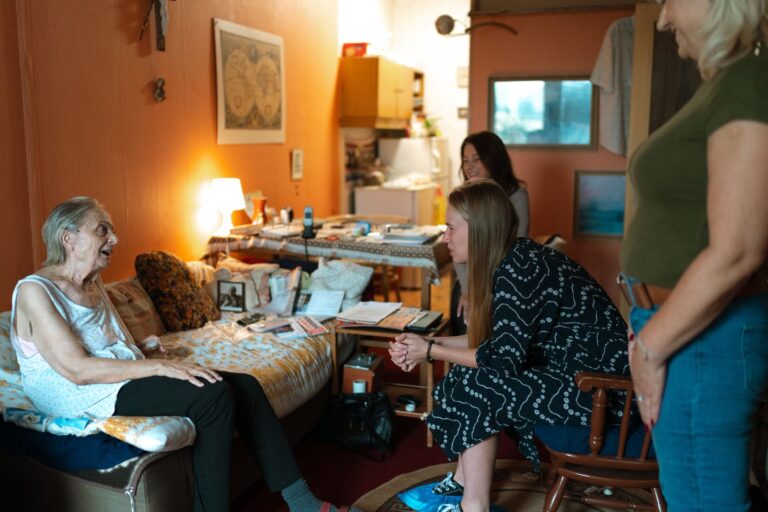
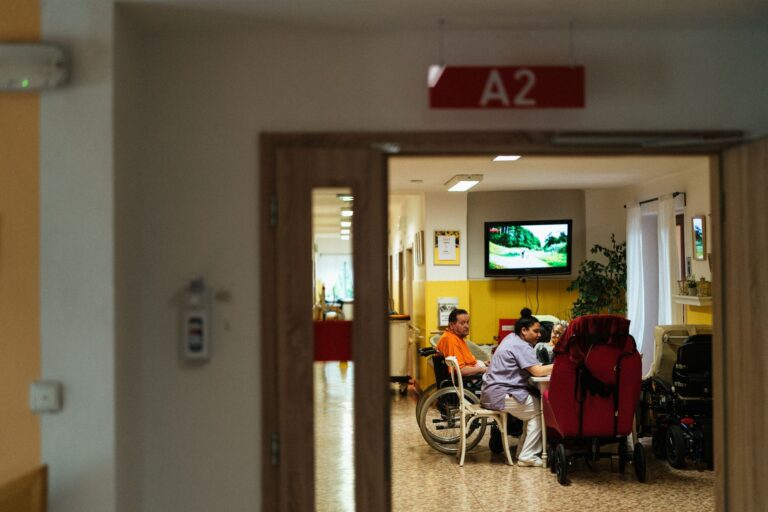
Yes, global aging will almost certainly make Alzheimer’s disease a much larger public health crisis than it is today. The world’s population aged 65 and older is growing faster than any other age group—projected to reach 1.5 billion people by 2050, up from around 770 million today. Since age is the single strongest risk factor for Alzheimer’s, this demographic shift means we should expect a dramatic surge in cases.
A person’s risk of developing Alzheimer’s roughly doubles every five years after age 65, and in many developed nations, the oldest-old (those over 85) already represent the fastest-growing segment of the elderly population. The crisis dimension comes not just from rising case numbers but from how unprepared most healthcare systems are to handle that surge. Japan, which has one of the world’s oldest populations, is already home to nearly 2 million people living with dementia—higher than many entire countries’ populations—and their system remains strained. Without significant changes to care infrastructure, financing, and workforce capacity, many nations will face shortages of doctors, nurses, care facilities, and family caregivers precisely when demand peaks.
Table of Contents
- How Rapidly Is the World’s Population Aging?
- What Do Alzheimer’s Projections Actually Show?
- Why Are Healthcare Systems Already Struggling?
- What Is the Economic Cost of This Crisis?
- Who Will Provide All the Care That’s Needed?
- Why Is Early Diagnosis Failing in Most of the World?
- What Evidence Exists for Preventing Alzheimer’s in Aging Populations?
How Rapidly Is the World’s Population Aging?
The aging acceleration is not gradual or distant. The proportion of people aged 60 and older is growing at nearly 3 percent annually in many regions, compared to under 1 percent for the general population. By 2050, one in four people on Earth will be aged 60 or older. In some countries this shift is even more dramatic: South Korea, Spain, Italy, and Greece will see over 35 percent of their populations aged 65 and older within two decades.
These are not small or wealthy nations alone—China’s population is aging faster than Japan’s did, compressed into a shorter timeframe, which creates different economic pressures. This is not a wealthy-nation problem. Sub-Saharan Africa is projected to see a tripling of its elderly population by 2050, even though it currently has younger demographics overall. India will add roughly 300 million people to its elderly population in the next 25 years. These regions have far fewer resources per older adult than Europe or North America, making the Alzheimer’s surge there potentially more severe in relative terms.
What Do Alzheimer’s Projections Actually Show?
Current estimates suggest that globally, one new case of dementia (of which Alzheimer’s accounts for 60–80 percent) is diagnosed every three seconds. The Alzheimer’s Association and similar organizations project that without major breakthroughs in prevention or treatment, the number of people living with dementia worldwide could triple by 2050. That means moving from roughly 55 million people with dementia today to as many as 150 million. In absolute terms, that’s an addition of 95 million people within a single generation.
These projections come with significant limitations. They assume current mortality rates, incidence rates, and diagnostic practices remain largely constant. In reality, changes in education, lifestyle, cardiovascular health management, and access to diagnosis can shift these numbers substantially. Several studies suggest that cognitive decline rates have actually slowed in some wealthy nations over the past 20 years, possibly due to better education and cardiovascular care. Conversely, in lower-income countries, the prevalence of Alzheimer’s risk factors—untreated hypertension, diabetes, less formal education—may drive rates upward faster than current models predict.
Why Are Healthcare Systems Already Struggling?
Many developed-nation healthcare systems are showing signs of strain even before the demographic wave hits its peak. The United Kingdom’s National Health Service has acknowledged that geriatric medicine capacity is insufficient for current demand. Emergency departments in aging-heavy regions report that dementia patients often stay longer, require more resources, and frequently lack adequate discharge planning. In the United States, there is a shortage of geriatricians—the number needed versus the number in training has been out of balance for years—and dementia care specialists are even rarer.
Developing countries face a different but equally serious problem: they lack basic dementia diagnostic capacity altogether. In many African and Southeast Asian nations, a person with memory loss might never receive a formal diagnosis. They’re managed at home, often without recognition of what they have, which means no access to medication, behavioral support, or family education. As the elderly population grows rapidly in these regions, this gap between cases and diagnosis will widen dramatically, leaving millions without any formal care pathway.
What Is the Economic Cost of This Crisis?
The global economic burden of dementia care already exceeds $1.3 trillion annually when direct costs (medical care, residential facilities) and indirect costs (lost wages, family caregiver time) are combined. The World Health Organization projects this will double or triple by 2050 if current care models persist. For comparison, the annual GDP of Spain is roughly $1.4 trillion; the dementia crisis is approaching the economic weight of an entire mid-sized economy, devoted solely to one disease.
A key limitation in this economic picture is that much of dementia care—particularly in lower-income countries and even in parts of developed nations—falls on families and goes unpaid. A caregiver spending 40 hours weekly providing unpaid care to a family member with dementia is not reflected in official healthcare spending, but that loss of economic productivity is real. Many working-age adults, particularly women, have had to reduce hours or leave employment to provide care. As populations age, this hidden economic cost will rise steeply, even as formal healthcare budgets struggle to keep pace.
Who Will Provide All the Care That’s Needed?
One of the starkest warnings from dementia experts is the looming caregiver shortage. Today, most dementia care—bathing, dressing, meals, medication reminders, behavior management—is provided by family members, usually adult children and spouses. This model assumes each elderly person has available family nearby willing to quit or reduce work. But lower birth rates in developed countries mean fewer adult children per aging parent. In Japan, Italy, and Germany, the ratio of working-age adults to elderly persons has already fallen below sustainable levels for informal family care.
Paid professional care workers are becoming harder to recruit and retain. Dementia care work is physically demanding, emotionally taxing, low-paid, and often unregulated. In the United States and Western Europe, care facilities struggle to maintain adequate staffing even now. A European care facility might report 20–30 percent staff turnover annually. Expanding capacity to handle 50 percent more residents while simultaneously losing experienced staff to burnout or better-paying work is practically impossible without major wage increases and working-condition improvements—costs that most healthcare systems are not prepared to absorb.
Why Is Early Diagnosis Failing in Most of the World?
Early diagnosis of Alzheimer’s is critical because it allows people time to plan, arrange care, and potentially benefit from emerging medications. Yet vast disparities in access to diagnosis exist globally. A wealthy American or European with cognitive concerns has multiple pathways to evaluation: neurologists, memory clinics, specialized imaging. Someone in rural India or Nigeria with the same symptoms may never see a doctor trained in dementia assessment.
Even within developed countries, racial and socioeconomic disparities in dementia diagnosis are well-documented. Recent advances in biomarker testing—blood tests that can detect Alzheimer’s pathology years before symptoms appear—offer promise for earlier identification. However, these tests are expensive, not universally available, and not yet integrated into primary care workflows in most places. When these tests do become more accessible, the question becomes: what happens then? Without adequate resources for counseling, treatment options, and care planning, earlier diagnosis could simply mean earlier distress for people who can’t access meaningful interventions.
What Evidence Exists for Preventing Alzheimer’s in Aging Populations?
Research over the past decade has strengthened evidence for several modifiable risk factors: cardiovascular health (managing blood pressure and cholesterol), cognitive engagement, physical activity, sleep quality, hearing correction, and social connection all show associations with lower dementia risk or slower cognitive decline. The FINGER study in Finland followed middle-aged and older adults who received intensive interventions in these areas and found measurable slowing of cognitive decline compared to controls. SPRINT-MIND, a large U.S. study, showed that aggressive blood pressure control in older adults with hypertension reduced dementia risk.
These findings are valuable but face a major practical limitation: they require sustained behavior change and, often, access to healthcare resources. Convincing someone to exercise regularly, maintain strict diet compliance, pursue social activities, and manage chronic diseases demands motivation, time, and often money—resources that are unevenly distributed globally. In low-income regions where infectious diseases, malnutrition, and access to clean water remain pressing concerns, population-level Alzheimer’s prevention programs are unlikely to be prioritized. This means that even as we identify what works, the tools to implement prevention at scale in high-risk populations remain limited.