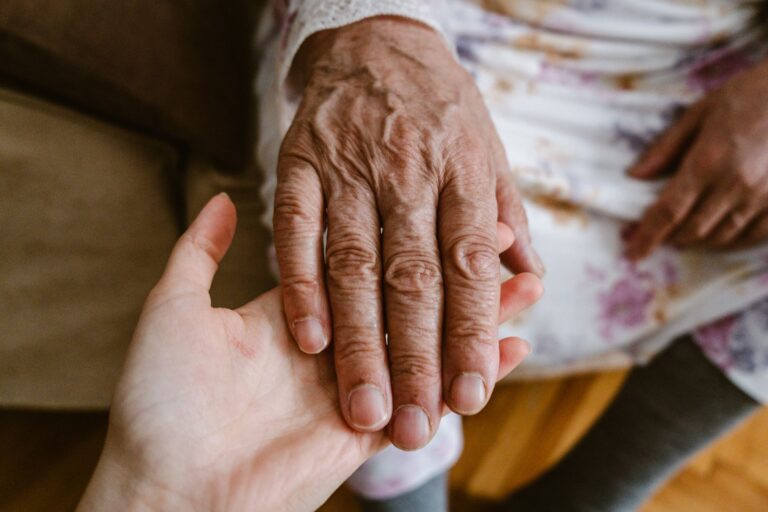
Incheon has launched a new Cognitive Health Center designed to provide comprehensive support programs for dementia patients and their families. The center brings together medical specialists, therapeutic professionals, and support services under one facility to address the growing needs of the dementia population in the region. Programs include early cognitive screening, memory rehabilitation therapy, caregiver education, and ongoing monitoring to help patients maintain function and quality of life as long as possible.
The launch addresses a critical gap in dementia care infrastructure. Many patients and families struggle to navigate multiple locations for specialized services, leading to fragmented care and delayed diagnoses. By consolidating these services, the center aims to create a more accessible pathway for people showing early signs of cognitive decline, as well as those with established dementia diagnoses seeking structured support.
Table of Contents
- What Cognitive Health Programs Does the Center Offer?
- How Do Support Programs for Caregivers Address the Burden of Dementia Care?
- What Medical Evaluations and Monitoring Does the Center Provide?
- How Can Patients and Families Access These Services Effectively?
- What Limitations Should Families Understand About Dementia Support Programs?
- How Do Therapeutic Programs Support Daily Functioning and Independence?
- What Role Do Community Resources Play in the Center’s Mission?
What Cognitive Health Programs Does the Center Offer?
The center’s programs typically include cognitive assessment and screening to identify memory problems early, when interventions are most effective. Trained neuropsychologists administer standardized tests that measure attention, memory, language, and executive function, providing a baseline for monitoring decline over time. Early detection programs can catch mild cognitive impairment before it progresses to dementia, and in some cases, early lifestyle interventions may slow progression.
Memory rehabilitation therapy uses evidence-based techniques to help patients compensate for cognitive losses. These might include memory aids, organizational strategies, and computer-based cognitive exercises designed to strengthen remaining cognitive abilities. Unlike medications alone, behavioral interventions give patients practical tools to use in daily life—for instance, a patient might learn spaced-repetition techniques for remembering important information or use visual cues to navigate familiar environments more confidently.
How Do Support Programs for Caregivers Address the Burden of Dementia Care?
Caring for a dementia patient is one of the most demanding roles a family can undertake. Caregivers face emotional strain, physical exhaustion, social isolation, and financial pressure. Comprehensive centers recognize that caregiver burnout directly affects patient outcomes, so they offer education programs that teach practical care techniques, stress management, and how to recognize and handle behavioral changes.
A limitation of many caregiver programs is their reliance on daytime or evening classes that don’t accommodate all work schedules. Caregivers with full-time jobs or those caring for multiple family members may struggle to attend workshops, limiting access to crucial support. Some centers address this with online modules or recorded sessions, but these lack the real-time Q&A and peer connection that make in-person groups valuable. Respite care services—where trained staff temporarily take over patient care—are essential but often scarce and expensive, meaning many family caregivers have no break from their duties.
What Medical Evaluations and Monitoring Does the Center Provide?
The center typically offers comprehensive medical evaluation including neurological exams, blood work to rule out reversible causes of cognitive decline (like vitamin deficiencies or thyroid problems), and imaging such as MRI to assess brain structure. These evaluations are critical because cognitive symptoms can result from conditions other than primary dementia—depression, medication side effects, sleep apnea, and metabolic disorders can all mimic dementia and are sometimes treatable.
Ongoing monitoring through regular follow-up appointments allows clinicians to track disease progression and adjust treatment plans accordingly. A patient might return every three to six months for cognitive testing and physician assessment. This structured approach helps families understand what to expect and plan for future care needs, whether that means home modifications, eventual facility placement, or advance care planning conversations.
How Can Patients and Families Access These Services Effectively?
Navigating a new healthcare facility can be overwhelming, especially when cognitive decline is already making decision-making harder. Effective centers typically assign a care coordinator who helps patients and families understand available services, identifies which programs are most relevant, and manages scheduling. A newly diagnosed patient might start with neuropsychological assessment, then transition to cognitive training, with the coordinator ensuring the flow is logical and information is shared clearly.
The tradeoff between convenience and comprehensiveness is real—a smaller clinic might offer faster appointments but fewer specialized services, while a large center provides breadth of expertise but potentially longer waits and more complex navigation. Some centers address this by using tiered entry, where patients begin with screening at primary care level, then are referred to specialists only when needed. This approach conserves specialist time but requires good communication between providers to avoid gaps in care.
What Limitations Should Families Understand About Dementia Support Programs?
No support program can stop or reverse most forms of dementia. Cognitive rehabilitation and behavioral interventions can help patients and families cope better and maintain quality of life longer, but they typically cannot restore lost cognitive function. Families sometimes enter programs with unrealistic expectations, hoping for a cure, and experience disappointment when the disease continues to progress. Clear communication about realistic goals—maintaining independence as long as possible, preparing for care transitions, improving quality of life—helps set appropriate expectations.
Coverage and access remain significant barriers. Some support programs are covered by health insurance, while others require out-of-pocket payment. Patients from low-income backgrounds or those living in rural areas far from specialized centers may have limited access to these services. Additionally, staffing shortages mean some programs have long waitlists, and patients experiencing rapid cognitive decline may need urgent evaluation but have to wait weeks for appointments.
How Do Therapeutic Programs Support Daily Functioning and Independence?
Occupational therapy focuses on maintaining ability to perform activities of daily living—bathing, dressing, meal preparation, managing medications. Therapists assess the home environment and recommend adaptations like grab bars, simplified labeling systems for medications, or rearrangement of frequently used items to reduce confusion. These practical interventions help patients remain independent longer, which improves both dignity and quality of life.
Physical therapy addresses gait problems and fall risk, which increase dramatically in dementia patients and are a leading cause of injury and hospitalization. Structured exercise programs improve strength, balance, and cardiovascular health while potentially slowing cognitive decline. Some research suggests that regular aerobic exercise is one of the most effective modifiable interventions available.
What Role Do Community Resources Play in the Center’s Mission?
Effective cognitive health centers connect patients with community resources including adult day programs, support groups for both patients and caregivers, and educational seminars. A patient in early dementia stages might benefit from attendance at a memory café—a social program where people with cognitive decline gather in a relaxed setting to socialize, reducing isolation.
These community programs complement clinical services and help maintain social engagement, which itself may slow cognitive decline. Some centers partner with local organizations to offer volunteer visitor programs, where trained volunteers spend time with homebound patients, reducing social isolation and providing respite for caregivers. Transportation assistance is another critical service, as driving often becomes unsafe for dementia patients but many live in areas with limited public transit.