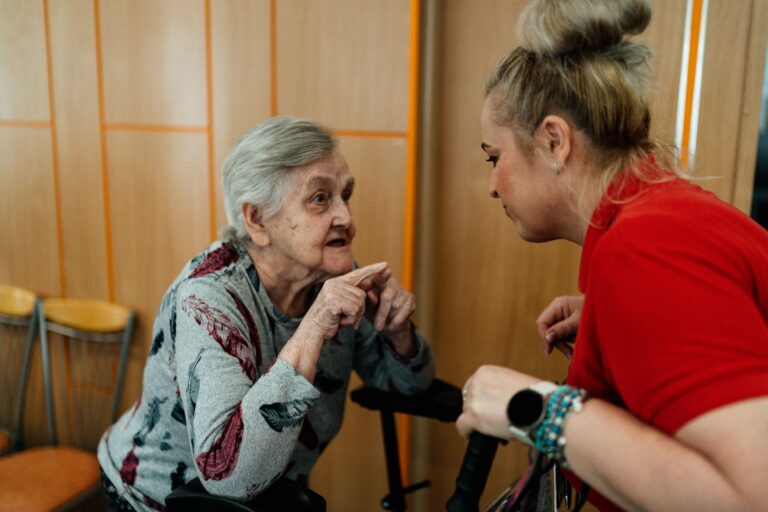
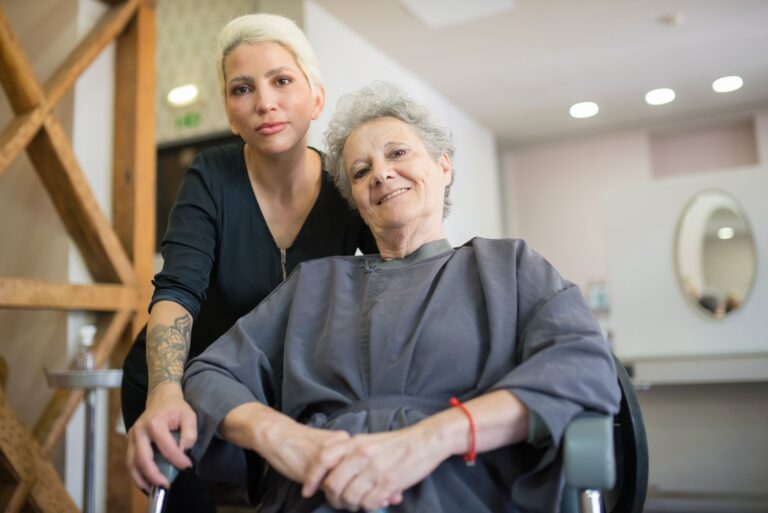
Tell someone they have dementia by choosing a private, calm setting, being direct and honest about the diagnosis, and explaining what it means in plain language without medical jargon. Use a script like: “I’ve asked you to meet because I want to talk about your health. The doctors have found that you have dementia, which affects memory and thinking. We’re going to get through this together, and I’m here to help you.” The conversation works best when you’ve already met with their doctor, you have support in the room (a trusted family member or counselor), and you’re prepared to answer basic questions about what comes next. This conversation is difficult because dementia is a life-changing diagnosis, and many people don’t know how to break the news without causing panic or denial.
The key is balancing honesty with compassion: you’re not softening the truth, but you’re also not overwhelming them with clinical detail or worst-case scenarios in the first five minutes. The goal is to help them understand what’s happening, answer their immediate concerns, and make a plan for the weeks ahead. Many people avoid this conversation altogether, hoping the person will simply “figure it out” from their own experiences of forgetting. This creates confusion and fear. A direct, prepared conversation—even though it’s uncomfortable—gives the person agency, reduces anxiety, and opens a path to treatment, support, and planning.
Table of Contents
- Why and When to Have This Conversation Early
- Preparing Yourself and the Environment
- The Actual Words—A Compassionate Script
- How to Handle Denial and Difficult Reactions
- What to Do Immediately After
- When the Person Has Moderate to Advanced Dementia
- Supporting Yourself as the Messenger
Why and When to Have This Conversation Early
Once a diagnosis is confirmed by a neurologist or geriatrician, telling the person as soon as possible protects their legal and medical autonomy. Early disclosure lets them participate in decisions about their care, their finances, and their living situation while they’re still able to understand the options and express their preferences. If you wait, you risk a situation where the person has already suffered a crisis (a fall, getting lost, or a car accident) that forces an emergency conversation under worse circumstances. Timing matters. Avoid telling someone on a Friday when clinics close and they can’t follow up with questions, and avoid doing it right before they have to give a presentation at work or attend a stressful family event.
A Tuesday or Wednesday morning, in a calm environment, gives them time to process and reach out if they need clarification. If the diagnosis came from a specialist appointment they attended, choose a separate, quieter moment to discuss it rather than talking in a hospital hallway or clinic waiting room. The exception is if the person is in active denial about symptoms or refuses to see a doctor. In that case, you may need to tell them as a way to motivate them to seek care: “I’m worried because you’ve been forgetting conversations we had last week, and the doctor thinks that’s something we need to understand better. Will you come to an appointment with me?” This frames disclosure as a step toward getting help, not as a pronouncement of doom.
Preparing Yourself and the Environment
Before the conversation, review the actual diagnosis with the doctor and write down a few key facts: the type of dementia (if known), what symptoms are likely to appear first, and what treatments or lifestyle changes might help. This preparation prevents you from fumbling for words or accidentally saying something contradictory. If you’re anxious or grieving, consider talking to a therapist or counselor beforehand so your emotions don’t overwhelm the person you’re telling. Choose a location where you won’t be interrupted—not a coffee shop, not a doctor’s office where a nurse might knock on the door, not their workplace. Their home or a quiet, private room is ideal. Sit at roughly the same eye level; standing over someone can feel confrontational.
Have tissues available, and if possible, have a trusted family member or friend present—not to do the talking for you, but to provide support and to help the person feel less alone. A common mistake is bringing too many people or having the conversation after a family dinner when emotions are already high. One or two trusted people maximum. If the person has a spouse or adult child, include them. If the person has a therapist, ask the therapist if they want to be in the room or available for a follow-up call. Avoid a situation where the person feels ambushed or outnumbered.
The Actual Words—A Compassionate Script
Use language that is direct but not clinical. Here’s a script to adapt: “I want to talk with you about something important. The doctor has confirmed that you have dementia. That means your brain is having trouble with memory and thinking in ways that are getting worse over time. This is a real medical condition, not something you’re causing, and not something you can just will away. But there are things we can do to help you stay as healthy and independent as possible.” after this opening, pause. Let them react.
Don’t rush to fill silence with more information. Some people will cry, some will be angry, some will seem calm. All of these are normal. Then answer the most urgent questions: Is this my fault? Am I going to lose my mind completely? How long do I have? You don’t need to have all the answers, but you can say things like: “This is not your fault. It’s a disease. Some people live a long time with this diagnosis. The doctor said it depends on many things, and we’ll take it one step at a time.” Avoid phrases like “You’re going to be fine” or “Don’t worry”—those dismiss their legitimate concern. Instead, say “This is hard, and we’re going to handle it together.”.
How to Handle Denial and Difficult Reactions
Some people will say “I don’t believe you” or “The doctor is wrong” or “I’m not going to accept this.” Denial is a normal part of grief. Don’t argue about the diagnosis or try to convince them immediately. Instead, redirect to action: “I understand you’re upset about this. The good news is that the doctor wants us to come back next month and run some more tests. We can ask them more questions then.” This keeps the door open without forcing acceptance on the spot. If the person becomes very distressed—crying uncontrollably, expressing suicidal thoughts, or having a panic attack—stay calm, acknowledge their fear (“This is scary, and your feelings make sense”), and call their doctor or a crisis line if needed. Some people need professional support to process this news, and that’s not a failure on your part.
If they refuse to talk about it at all and change the subject, don’t force it. You’ve told them; they know. Give them time. One trap is repeating the diagnosis over and over, thinking the person didn’t understand. If they understood but are in denial, repeating it won’t help. If they truly didn’t grasp it due to their cognitive state, they may not remember the conversation after a few hours. In that case, write down the key points and leave them somewhere visible, and plan to have a shorter, simpler version of the conversation again.
What to Do Immediately After
Within a week, help the person meet with their doctor to discuss treatment options and next steps. Some dementia medications can slow decline slightly, though they’re not a cure. The doctor may also refer them to a neuropsychologist, a social worker, or a support group. Write down these referrals and follow up to make sure appointments are scheduled. Talk about practical matters in the days and weeks after: Do they need to tell their employer? Should they see a lawyer about a power of attorney or living will? Do they drive, and is it still safe? These questions can feel urgent and scary. Don’t try to solve them all in one conversation; create a list and tackle them one by one.
If the person wants to take time to tell close friends and family themselves, support that. If they want you to tell people, that’s okay too. One limitation of any single conversation is that the person may forget parts of it or misunderstand what was said. Dementia affects memory even at the point of diagnosis. Write down the diagnosis, the doctor’s name, and the plan in simple terms. Review it together a few days later, and don’t be frustrated if they ask the same questions again—this is the disease, not them being difficult.
When the Person Has Moderate to Advanced Dementia
If someone is already in mid-stage or late-stage dementia when diagnosed, they may not be able to understand or retain a long conversation about their diagnosis. In this case, a simpler, very brief statement works: “You have a condition that affects your memory. I’m here to help you, and we’re going to make sure you’re safe and comfortable.” The goal shifts from informed consent to emotional reassurance.
In advanced dementia, telling the person isn’t really for them—it’s for the family and the care team. The person won’t remember the diagnosis or act on it. But the family members need to know so they can plan and advocate. Have that conversation with the care team and family, and keep it simple with the person themselves.
Supporting Yourself as the Messenger
Telling someone they have dementia is emotionally taxing. You may feel guilty for delivering bad news, grief about what this means for your relationship with the person, and uncertainty about your own role. Your feelings are valid, and they don’t belong in the room with the person being diagnosed, but they do belong somewhere. Join a caregiver support group, talk to a therapist, or lean on trusted friends. Many people who deliver this diagnosis experience the same mix of sadness, frustration, and fear.
Don’t make this conversation about you or your fears. Phrases like “I’m going to lose you” or “I can’t handle this” shift the emotional burden onto the person who just received the diagnosis. They need you to be steady, not to add to their panic. That said, it’s okay to cry, to say “This is hard for me too,” or to ask for help. Modeling how to handle difficult emotions honestly (without falling apart) actually helps the person feel less alone.