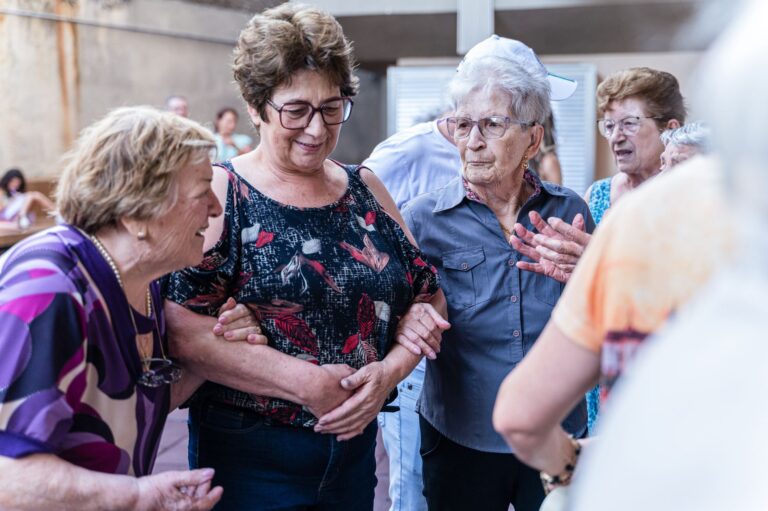
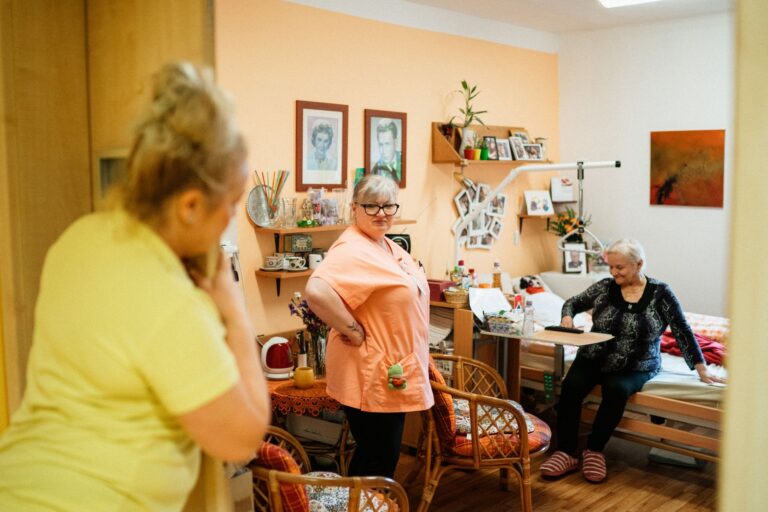
Dementia apathy—the withdrawal from activities and lack of motivation that often emerges alongside cognitive decline—responds better to gentle invitation than to pressure. Rather than pushing a person to “stay active,” the goal is to meet them where they are and create conditions where engagement happens naturally, without the stress that erodes both mood and your relationship. This shift from motivation by obligation to motivation through meaningful connection transforms what could feel like a daily battle into something quieter and more sustainable. When someone with dementia sits passively for hours, it’s rarely laziness or stubbornness.
Apathy in dementia is a symptom—a flattening of drive that stems from changes in the brain regions governing goal-directed behavior and emotional reward. A person may no longer feel the internal “push” to shower, eat, or visit a friend, even though they physically can. Understanding this as a neurological symptom, not a choice or character flaw, changes how you respond. The methods that work involve reading subtle cues, respecting autonomy, matching activities to current abilities and interests, and knowing when to step back. The goal is engagement without coercion.
Table of Contents
- What Does Apathy in Dementia Actually Look Like?
- Why Pushing Engagement Backfires
- Start With What They Can Still Do—Not What They’ve Lost
- Build Routine, Then Build Within It
- Respect Refusal—It’s Not the Same as Apathy
- Timing, Environment, and the Sensory Dimension
- Recognizing When to Bring in Professional Input
- Frequently Asked Questions
What Does Apathy in Dementia Actually Look Like?
Apathy in dementia is distinct from depression, though the two can coexist. A person with depression might express sadness or hopelessness. Someone with apathy may show little emotion at all—neither sad nor happy, just indifferent. They may sit and stare out a window, fail to initiate conversations, or show no interest in hobbies they once loved. They’re not refusing activities defiantly; they simply don’t feel driven to start them.
This manifests differently from person to person. One person might refuse meals or personal care; another might lose interest in grandchildren’s visits. A longtime gardener may walk past the garden without a glance. Unlike early dementia, where someone might still recognize the importance of an activity even if they forget how to do it, apathy strips away the feeling that an activity matters at all. Research shows apathy is one of the most common behavioral changes in dementia—appearing in up to 80% of people with moderate to advanced disease—yet it’s often overlooked because it doesn’t cause the disruption that aggression or wandering does.
Why Pushing Engagement Backfires
Coaxing, bargaining, or insisting that someone participate in an activity triggers resistance, even when the person can’t fully articulate why. A caregiver might say, “Come on, let’s do the puzzle—you used to love puzzles,” hoping nostalgia will spark motivation. Instead, the person shuts down further, or becomes agitated. The pressure to perform adds a layer of stress that makes apathy worse, not better. Part of the problem is that people with dementia lose confidence in their abilities. If someone is asked to do something they suspect they can no longer do well, the internal risk calculation shifts: Why try if I might fail? It’s safer to decline.
Repeated “invitations” can feel like repeated reminders of what they’ve lost. Additionally, the tone matters enormously. A directive (“You need to get outside today”) feels controlling and triggers defensive withdrawal. When a person with dementia hears pressure in a caregiver’s voice—frustration, urgency, or the implication that they’re being difficult—they pick up on it, and engagement becomes less likely. A realistic limitation to acknowledge: sometimes apathy is severe enough that no gentle approach will spark motivation. In those cases, the goal shifts from engagement to meeting basic needs and maintaining dignity. Pushing activity won’t help, and may harm.
Start With What They Can Still Do—Not What They’ve Lost
Effective engagement begins with identifying what the person can realistically participate in now, not what they used to do. If someone can no longer play chess but can handle simple card games or a conversation about chess history, start there. If they can no longer manage a full meal prep but can stir a pot of soup, give them that role. The shift from “what they used to love” to “what they can do now” is difficult for caregivers. It can feel like settling, or like acknowledging decline. But it’s the practical path to actual engagement.
A woman who painted for decades may never pick up a brush again—but she might sit with someone who is painting and offer color suggestions. A man who once built furniture might not be able to follow plans, but he can hand you tools and be part of the activity. These small roles preserve dignity and participation without setting them up to fail. The key is that they’re doing something real, not performing for your benefit. Include them in a genuinely useful task, even if it takes longer or requires more help. Making lunch together is infinitely more engaging than sitting while you make lunch for them.
Build Routine, Then Build Within It
Apathy thrives in formlessness. Without structure, the person drifts through the day with no signpost of what comes next, no rhythm to anticipate. A simple daily routine creates scaffolding that makes engagement easier: breakfast at 8, a walk at 10, lunch at 12. These aren’t rigid rules, but signposts. Once a routine is established, activities fit into those slots in a way that feels natural, not imposed. A morning coffee becomes the moment to do a simple puzzle or listen to music.
A midday walk is already on the schedule, so the resistance you might encounter if you asked “Would you like to go for a walk right now?” is already dissolved by habit. The person doesn’t have to decide whether to engage—they’re already moving toward the next thing. That said, routines need flexibility. If someone is having a particularly low day or is unwell, forcing adherence to the schedule creates the very pressure that worsens apathy. The routine is a guide, not a cage. The goal is to reduce decision fatigue and decision paralysis, not to eliminate the person’s small remaining autonomy.
Respect Refusal—It’s Not the Same as Apathy
A crucial distinction: apathy is the lack of drive to initiate. But when you invite someone to an activity and they refuse, that’s different. It might be fatigue, discomfort, a bad mood, or simply that this particular moment isn’t right. Respecting a refusal—saying “Okay, we’ll try later” without guilt or frustration in your voice—preserves the person’s sense of agency and often makes them more willing to engage next time.
If you respond to refusal with disappointment, sarcasm, or insistence (“But you said you liked gardening!”), you’ve now attached shame to the refusal. Next time, they’ll be even more likely to refuse, not because of apathy but because they’re protecting themselves from your disappointment. The goal is to separate the person’s current lack of interest from the activity itself—and from your own expectations. A warning: if refusal becomes complete across all activities, combined with withdrawal from basic self-care, this often signals depression or a shift in dementia severity that warrants a medical check. Apathy looks like a flat lack of motivation; severe depression or medical decline looks like active distress or rapid worsening.
Timing, Environment, and the Sensory Dimension
Engagement is easier when the environment is calm and the timing aligns with when the person is most alert. Most people with dementia have “good hours” and “bad hours.” Asking someone to engage in a new activity during their worst time of day (often late afternoon or early evening in dementia, called “sundowning”) sets them up to refuse. Beyond timing, the environment matters. A quiet room with one familiar person inviting participation in an activity is far more successful than a noisy living room with multiple distractions.
Sensory input—the feel of clay, the smell of bread baking, the sound of familiar music—can spark engagement in ways that conversation or “activities” cannot. Someone with apathy may not volunteer to listen to music, but if music is already playing softly during a meal, they may engage with the food and the moment differently. An example: a woman with moderate dementia showed no interest in activities her family organized. But when her son simply sat beside her in the garden with a cup of tea and stayed quiet, she began pointing out plants, picking leaves, and talking about her own garden from decades ago. The absence of expectation and the familiar sensory environment created the conditions for her to engage on her own terms.
Recognizing When to Bring in Professional Input
If apathy is accompanied by significant weight loss, complete withdrawal from all activity, or expressions of hopelessness, these may signal depression overlaying dementia. A doctor can assess whether antidepressants, treatment for pain or other medical issues, or a change in medication might help. Apathy alone may not warrant medication, but apathy that impairs basic self-care or quality of life often does.
A physical therapist or occupational therapist can also assess what activities might be genuinely achievable and suggest adaptations you haven’t considered. Sometimes apathy softens when someone’s pain is treated, when vision or hearing problems are corrected, or when medication side effects are addressed. Not all apathy is purely neurological; sometimes it’s solvable through practical means.
Frequently Asked Questions
Is apathy in dementia the same as laziness?
No. Apathy is a neurological symptom caused by changes in brain regions that control motivation and reward. It’s not a choice or character flaw. A person with apathy isn’t being stubborn; they’ve lost the internal drive to initiate activities, even ones they once enjoyed.
What should I do if my parent refuses every activity I suggest?
Step back from suggesting. Instead, try incorporating activities into routine (a walk at the same time each day) or creating conditions where engagement happens without invitation (playing music during meals, keeping gardening tools visible). If refusal is complete and combined with withdrawal from self-care, consult a doctor to rule out depression or medical issues.
How long does it take to see a change when I stop pushing?
It varies. Some people show shifts within days once pressure decreases. Others take weeks or longer to feel safe enough to reengage. The real measure is whether your interactions feel less tense and whether the person seems calmer—engagement may follow gradually.
Can apathy be treated with medication?
Sometimes. If apathy coexists with depression, pain, or medication side effects, treating those may help. But apathy alone doesn’t always respond to medication. A doctor can assess whether any underlying treatable conditions are present.
What if my loved one can’t do activities they used to do?
Adjust the activity to match current ability. If they played chess, they might enjoy hearing about chess or playing a simpler card game. If they painted, they might hand you colors or sit nearby while you paint. Find a role they can genuinely participate in, rather than performing for your sake.
Is it okay to leave someone alone if they show no interest in socializing?
Isolation tends to worsen apathy over time. But presence without pressure works better than forced socializing. Sit nearby, do a quiet activity together, or let them know you’re in the next room. The goal is companionship without the demand to “engage” or be social.