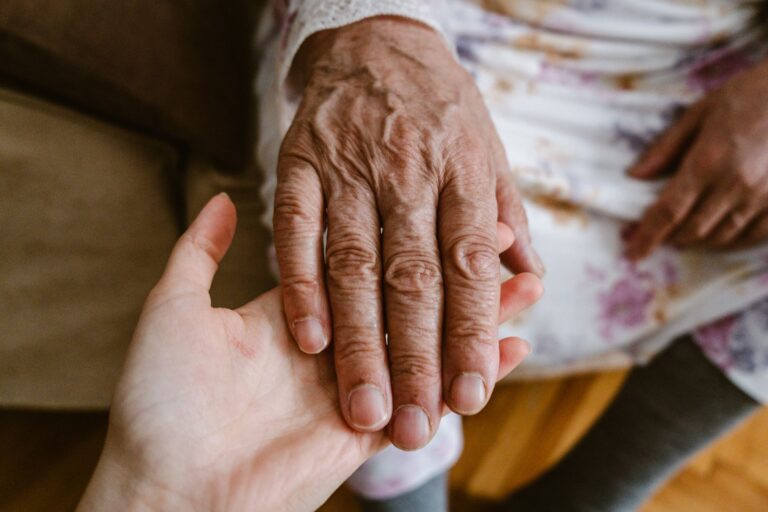
Pain recognition in dementia is profoundly difficult because people with dementia lose the ability to tell you when they hurt. As cognitive abilities decline, they cannot express pain with words—they cannot say “my back is sore” or “my knee throbs.” Instead, their pain emerges as behavioral changes: aggression, agitation, withdrawal, or restlessness. Research shows that 63.5% of community-dwelling older adults with dementia experience bothersome pain, significantly higher than the 54.5% rate among those without dementia. Yet an estimated 50% of people with dementia who are in pain receive no correct diagnosis or treatment, making pain recognition not just a clinical challenge but a crisis of unrelieved suffering in care facilities worldwide.
The stakes are high. People with dementia in pain are 3.8 times more likely to experience aggressive or agitated behaviors than those not in pain. A caregiver who sees sudden anger, resistance to care, or repeated agitation may attribute these behaviors to the disease itself, not realizing that an untreated urinary tract infection, dental abscess, or fractured rib is driving the distress. Pain recognition requires caregivers and healthcare providers to become behavioral detectives, learning to read facial micro-expressions, body language, and vocal patterns that most people take for granted.
Table of Contents
- Why People With Dementia Struggle to Report Pain
- The Behavioral Alphabet of Pain in Dementia
- Assessment Tools and Diagnostic Approaches
- Why Caregivers and Doctors Fail to Recognize Pain
- Institutional Barriers and the Risk of Undertreatment
- The Role of Caregivers as Pain Detectives
- Pain’s Cascade Effect on Cognition and Behavior
Why People With Dementia Struggle to Report Pain
The barrier to pain communication in dementia is not that people don’t feel pain—they do, often acutely. The problem is that dementia progressively destroys the very systems needed to recognize and express pain. Memory loss makes it hard to recall and describe where pain began or how long it has lasted. Language decline means the words for pain simply vanish. Decision-making deficits prevent them from understanding the connection between their discomfort and the need to alert someone.
An older adult with advanced dementia may know something feels wrong but cannot translate that sensation into language or action. This communication breakdown creates a tragic irony: pain is both common and invisible. In nursing home populations, prevalence ranges from 40% to 80%, with one study finding 65.6% of aged care residents had pain, and nearly half of those (48.4%) experienced moderate to severe pain. Yet these residents cannot report symptoms in the traditional way. They cannot fill out a pain scale, cannot point to a location on a body diagram, cannot rate intensity on a 1-to-10 scale—the standard tools that work for cognitively intact adults become useless. Caregivers must instead learn a new language: the language of behavior and physical signs.
The Behavioral Alphabet of Pain in Dementia
Pain in dementia expresses itself through observable physical and vocal cues. Research on behavioral indicators consistently identifies facial expressions as among the most reliable signals. Eyelid tightening appears in 48.6% of pain-assessment studies, eye closure in 42.9%, and cheek raising (a tension response) in 42.1%. These micro-expressions often occur within seconds of pain stimulation and disappear just as quickly, so a caregiver who is not watching closely will miss them entirely.
Beyond the face, pain manifests across five key domains: Voice (moaning, groaning, crying), Movement (rigid posture, thrashing, guarding an injured area), Behavior (agitation, resistance, refusal to engage), Activity (withdrawal, restlessness, inability to settle), and Body signals (changes in appetite, sleep disruption, pallor). No single indicator proves pain definitively—agitation could mean pain, distress, need for the bathroom, or confusion. But a cluster of these signs, especially when they appear suddenly or change patterns, warrants investigation. The limitation here is real: these behavioral clusters can also reflect dementia-related mood changes, psychiatric symptoms, or simple boredom. Distinguishing between pain-driven agitation and dementia-driven agitation remains one of the most common diagnostic errors in care settings, and it frequently results in the patient receiving psychiatric medication instead of pain relief.
Assessment Tools and Diagnostic Approaches
Because standard pain scales fail with non-communicative patients, geriatricians and dementia specialists have developed specialized instruments. The Pain Assessment in Advanced Dementia (PAINAD) scale evaluates five domains—breathing, negative vocalization, facial expression, body language, and consolability—and assigns numerical scores where higher totals indicate more severe pain. The Abbey Pain Scale similarly assesses vocalization, facial expression, body language changes, behavioral shifts, and physiological responses. These tools introduce some consistency to pain evaluation, though they still depend on observer judgment and training. A nurse who has never been taught to watch for eyelid tightening or the difference between agitated movement and pain-related guarding will miss the signals.
Emerging technology is beginning to address this observer-dependency problem. The PainChek® application uses artificial intelligence and facial recognition to detect pain-related facial micro-expressions and body behaviors simultaneously, offering more objective scoring than human observation alone. The ePAT app similarly harnesses facial recognition technology to identify micro-expressions indicative of pain and documents pain-related behaviors. These digital tools cannot replace clinical judgment, but they can alert caregivers to investigate further, reducing the chance that pain goes undetected in the first place. The tradeoff is real: technology requires purchase, staff training, and device availability—resources that many nursing homes and home-care agencies do not have.
Why Caregivers and Doctors Fail to Recognize Pain
Recognizing pain in dementia is harder than it should be because of communication breakdowns between caregivers and healthcare providers. Family caregivers often observe behavioral changes daily and develop intuition about what their loved one’s distress signals mean, but healthcare providers may dismiss caregiver reports as subjective or emotionally biased. Conversely, providers sometimes attribute pain behaviors to dementia rather than investigating whether an underlying medical cause exists. This mutual uncertainty—caregivers unsure whether providers will listen, providers unsure whether caregiver observations are reliable—creates a gap where pain goes untreated. Adding to this problem is a phenomenon unique to Alzheimer’s disease: the mask-like facial expression that develops as neuropathological changes advance.
A person with Alzheimer’s may have a relatively flat, emotionless face even when in severe pain, because the disease alters how the face muscles respond to distress signals from the brain. A provider accustomed to watching for a furrowed brow or drawn mouth—the typical pain expression in people without dementia—may see a blank face and conclude the patient is comfortable. Additionally, many healthcare providers and nursing home staff receive minimal training on pain assessment in dementia and do not routinely use validated assessment tools. Misconceptions about aging, such as the belief that older people simply “hurt less” or should “accept pain as part of aging,” further discourage investigation. The result: between 50% and 80% of people with moderate to severe dementia experience daily pain, yet many receive no pain medication at all.
Institutional Barriers and the Risk of Undertreatment
Nursing home systems themselves often work against effective pain recognition and treatment. Staff are frequently overburdened, managing multiple residents with limited time to observe individual behavioral changes. Medical records may be incomplete or poorly communicated from one facility to another. A resident transferred from a hospital to a nursing home may have undocumented pain conditions or recent surgeries that the new care team is unaware of. Providers also worry about polypharmacy—adding too many medications to an already complex regimen—and express fear about side effects, particularly respiratory depression from opioids.
These concerns are not unfounded, but they sometimes result in the withholding of appropriate pain treatment out of caution rather than evidence. One significant and troubling barrier is what researchers call “provider fatalism”—the belief that little can be done for pain in dementia, so aggressive treatment is not pursued. This attitude shifts the burden of suffering onto the patient. A warning sign: if a healthcare provider states that a dementia patient “won’t remember the pain anyway” or suggests that pain management is less urgent because “they don’t know what’s happening,” this reasoning reflects a gap in training, not clinical reality. Pain causes real suffering in the moment, regardless of whether memory persists.
The Role of Caregivers as Pain Detectives
Family caregivers and long-term care staff are the frontline observers of pain. They see behavioral patterns, know the baseline personality and behavior of their care recipient, and notice subtle shifts that might escape a doctor’s notice during a brief visit. A family member might notice that Dad, who normally enjoys meals, is now refusing breakfast. A nursing aide might observe that a resident who usually sits calmly has become restless and repetitive in her pacing.
These observations matter and can point directly to an undiagnosed pain source—difficulty swallowing (sign of dental or throat pain), appetite loss (sign of abdominal or gastrointestinal pain), or agitation (a catch-all indicator of distress). Effective pain management in dementia rests on caregivers and providers working as a team. Practical strategies that facilitate this collaboration include maintaining pain observation logs (noting time, behavior, and potential triggers), using visual pain assessment tools during discussions, and building rapport between caregivers and providers through regular check-ins and affirmation of caregiver observations. When a family member or aide learns the behavioral alphabet of pain—the facial expressions, vocalizations, and movement patterns—and communicates these observations clearly to doctors, diagnosis becomes possible and treatment can begin.
Pain’s Cascade Effect on Cognition and Behavior
An overlooked aspect of pain in dementia is that it accelerates decline and multiplies behavioral problems. Pain intensifies agitation, aggression, and withdrawal. It disrupts sleep and appetite, leading to weight loss and deconditioning. It increases falls, immobility, and the loss of functional independence. A person with mild-to-moderate dementia who develops untreated arthritis pain may rapidly become bedbound and unable to engage in activities that slow cognitive decline, like walking or social interaction.
Pain also compounds the psychological distress of dementia, creating a layer of suffering that is entirely preventable. Research consistently shows that addressing pain improves both comfort and behavior. When pain is correctly identified and treated with appropriate medication, physical therapy, or environmental modifications, agitation often decreases, sleep improves, and engagement returns. This reality underscores why pain recognition is not a luxury but a fundamental component of dignity in dementia care. A person with dementia cannot advocate for themselves. The system—caregivers, providers, facilities—must do that advocacy by learning to read the signs.
- —