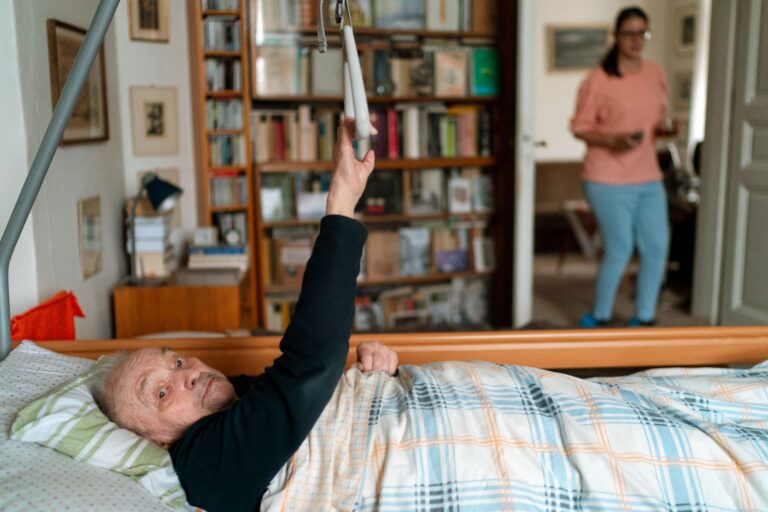
Safety planning in early dementia means identifying specific hazards before they become crises, then implementing concrete barriers and routines to manage those hazards. Unlike a generic home safety checklist, effective safety planning for early dementia focuses on the ways thinking and judgment change—someone might forget they’re on the stove, drive when they shouldn’t, or fail to recognize a scam—and it builds structures that work *with* those changes rather than fighting them. A person in early dementia might still walk around a modified home safely, but an unchanged home becomes full of unexpected dangers.
For example, a 68-year-old man with early Alzheimer’s disease had always loved coffee, so he’d make a fresh pot every morning. After his diagnosis, he began turning on the stove, forgetting about it, and leaving the house. His family didn’t remove his independence; instead, they installed a stove guard, set phone reminders when he started toward the kitchen, and kept instant coffee visible in the cabinet. He still made his coffee, but the environment now matched his changing abilities.
Table of Contents
- How Does Thinking Change in Early Dementia, and What Does That Mean for Safety?
- Creating a Written Safety Plan and Assigning Specific Responsibilities
- Medication Safety—Preventing Accidental Overdose and Dangerous Combinations
- Driving and Mobility—When to Restrict and How to Help Someone Adjust
- Wandering and Getting Lost—Identifying Risk and Creating Barriers
- Financial Exploitation and Scam Vulnerability
- Bathroom Safety and Fall Prevention
- Frequently Asked Questions
How Does Thinking Change in Early Dementia, and What Does That Mean for Safety?
early dementia typically shows up first as memory loss—forgetting recent conversations, appointments, or where you put your keys. But safety planning has to account for changes that go deeper than forgetfulness. A person might forget they already took their medications and take them again, creating a dangerous overdose. They might believe their spouse has been replaced by an impostor, leading them to resist care. They might lose their sense of risk: a person who once carefully checked the stove before leaving the house might no longer see fire as something to fear.
The key insight is that these changes don’t happen all at once, and they’re not uniform. Someone might still recognize a best friend but not their own adult child. They might be able to tell a familiar chair from an unfamiliar one, but unable to tell a real pill bottle from an empty one. Safety planning in early dementia means testing the person’s actual abilities—not assuming they can or cannot do something—and then adjusting the environment to match what you’ve learned. A limitation of early dementia safety planning is that it requires repeated adjustment. What works for six months might stop working as the disease progresses, so plans need regular review.
Creating a Written Safety Plan and Assigning Specific Responsibilities
A written safety plan is not a legal document; it’s a practical list that says: *here are the hazards we’ve identified, here’s what we’re doing about each one, and here’s who is responsible for what.* It prevents arguments about why a car key was hidden, why medications are locked up, or why a door alarm was installed. When a family member asks “why are you treating me like a child,” the answer is “because we identified this specific risk together and agreed on this solution.” The plan should list each hazard, the solution being used, and who checks it. For instance: “Hazard: Bill might leave the stove on.
Solution: Install stove guard and set daily phone reminder at 8 am to check the stove. Who checks: Sarah (daughter, daily at 8 am), Mark (husband, twice daily).” A warning: if responsibilities aren’t assigned clearly, they often don’t happen. One family member assumes the other is checking, and nobody checks. It’s better to have one person assigned and accountable than to hope everyone remembers.
Medication Safety—Preventing Accidental Overdose and Dangerous Combinations
Medication errors are one of the most common safety emergencies in early dementia. A person might take their morning medications, forget they took them, and take them again two hours later. They might take someone else’s blood pressure medication by mistake. They might stop taking medications because they don’t remember why they’re taking them, leading to a missed dose or inconsistent dosing. A practical approach: keep only today’s medications accessible.
Use a locked medication box or a pill organizer that’s in a locked cabinet, accessible only to the caregiver. Some families use a pill reminder system—an automated device that dispenses one dose at a time and announces when the next dose is due, making it hard to accidentally double-dose. A specific example: a 71-year-old woman with early dementia was prescribed both a blood thinner and aspirin. Without realizing it, she started taking her husband’s leftover high-blood-pressure medication from a bottle in the bathroom cabinet because she thought it was her own. She bled internally and spent a week in the hospital. After that, the family removed all medications except hers from the accessible bathroom and kept her medications in a locked drawer in the kitchen, where the caregiver supervised.
Driving and Mobility—When to Restrict and How to Help Someone Adjust
Deciding whether someone with early dementia can still drive is one of the hardest safety decisions families face. Memory loss itself doesn’t automatically mean someone shouldn’t drive; some people with early dementia pass on-road driving evaluations. But early dementia often includes judgment changes—difficulty processing multiple things at once, slower reaction time, confusion about directions—that make driving risky even if memory seems OK. The comparison is important: early dementia driving risk isn’t like teenage recklessness, where a younger brain can sometimes recover from mistakes. It’s more like driving while impaired—the person might not realize they’re impaired.
One approach is a professional driving evaluation. A occupational therapist certified in driving assessment can test reaction time, judgment, and ability to handle distractions in a real car with dual controls. If the evaluation suggests driving isn’t safe, the therapist can explain the results in a way that often carries more weight than a family member’s concerns. If driving does need to stop, safety planning means arranging alternatives—community transit, rides from family, volunteer driver programs—before taking the keys away. Removing driving without a replacement creates isolation and dependency, which can accelerate decline.
Wandering and Getting Lost—Identifying Risk and Creating Barriers
“Wandering” is an oversimplified term for what’s often purposeful walking—someone trying to go home (even if they’re at home), looking for a lost spouse, or simply walking because they feel restless. In early dementia, wandering often means a person walks to a familiar place but forgets where they parked, or they leave the house intending to visit the grocery store and end up disoriented three blocks away. A critical warning: not all people with early dementia wander, but those who do are at high risk of getting lost and either panicking or exhausting themselves trying to find their way back.
Safety planning includes both prevention and response. Prevention means installing door alarms, asking neighbors to alert you if they see the person leaving, establishing a regular walking routine (so the person gets their needed movement), and teaching the person familiar routes. Response means carrying identification, keeping a recent photo for police, having the person wear a GPS tracking device, and talking to local police about the person’s condition. Waiting to do this “if wandering happens” is waiting too long; safety planning means setting it up in the early stage, before a crisis.
Financial Exploitation and Scam Vulnerability
People in early dementia often lose the ability to detect or remember scams. They might be called by someone claiming to be grandchild in trouble and send thousands of dollars before realizing they’ve been scammed. They might sign up for dubious health products because the sales pitch matches their worries about memory loss. They might give out financial information to callers they don’t recognize because they’ve forgotten they were just warned about that scam.
Safety planning means removing access to funds except for necessary day-to-day spending, having a trusted person manage finances, and setting up fraud alerts with banks. One family discovered their father in early dementia had ordered the same “memory supplement” four times in two weeks—at $150 each time—and had no memory of the purchases. They froze his online ordering ability and gave him a debit card with a $100 daily spending limit. He could still buy a coffee or small groceries, but he couldn’t be exploited in high-dollar scams.
Bathroom Safety and Fall Prevention
Falls are one of the leading causes of injury in early dementia, and the bathroom is a high-risk environment—slippery floors, hard edges, difficulty recovering balance. Someone in early dementia might forget to turn off the shower, stand up too quickly from the toilet, or miss grab bars that are right there in plain sight. Safety planning includes grab bars installed at the right height, non-slip mats, good lighting so the person can see where they’re going, and removing clutter or tripping hazards like throw rugs.
A practical detail: grab bars look institutional, so some people resist them or are embarrassed to use them. Painting them to match the wall or choosing decorative grab bars can help. If someone falls and is alone, they might not be able to get up or might be too disoriented to call for help. Some families install medical alert systems or set up check-in routines—a phone call at the same time each day to make sure the person is safe.
- —
Frequently Asked Questions
Should I remove someone’s car keys without asking?
If driving poses a safety risk, it’s better to involve them in the decision when possible. A professional driving evaluation can provide objective evidence that often persuades more effectively than family concern alone. If there’s immediate danger and the person refuses to stop driving, you may need to remove keys or disable the vehicle, but do so with support from their doctor.
How do I know if my family member is ready for a safety plan conversation?
Early dementia is the best time—they can still understand the reasons for changes and have input on solutions. If you wait until mid-stage dementia, they may not remember the conversation or may resist changes without understanding why. Approach it as planning together, not planning for them.
Can someone with early dementia still live alone?
Some people can, with the right safety plan in place. Others cannot safely manage medications, cooking, or hygiene even with modifications. A professional assessment of their specific abilities helps answer this question. Living alone is safer for some people if they have frequent check-ins, simplified routines, and environmental safeguards in place.
What if my family member gets angry when I try to implement safety changes?
Anger and resistance are common in early dementia, partly because the person may lack insight into their own decline and partly because changes feel controlling. Validate their feelings, explain the plan calmly using specific examples, and involve their doctor in explaining why changes are necessary. Give them as much control and independence as safely possible.
How often should I review and update the safety plan?
Early dementia progresses at different rates for different people, but a quarterly review is reasonable. More frequent checks are needed if the person is having new safety incidents or if their abilities are changing rapidly.